最新动态

按"麦当劳标准"建一座环保工厂:替塑时代的空间答案
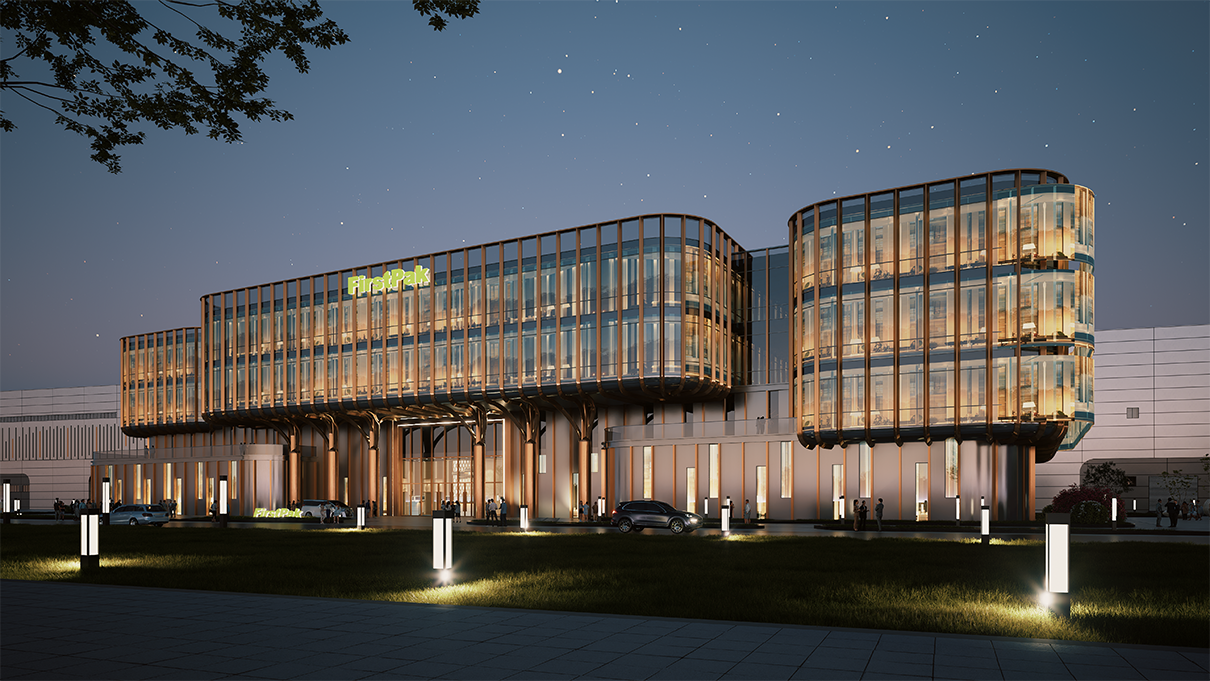
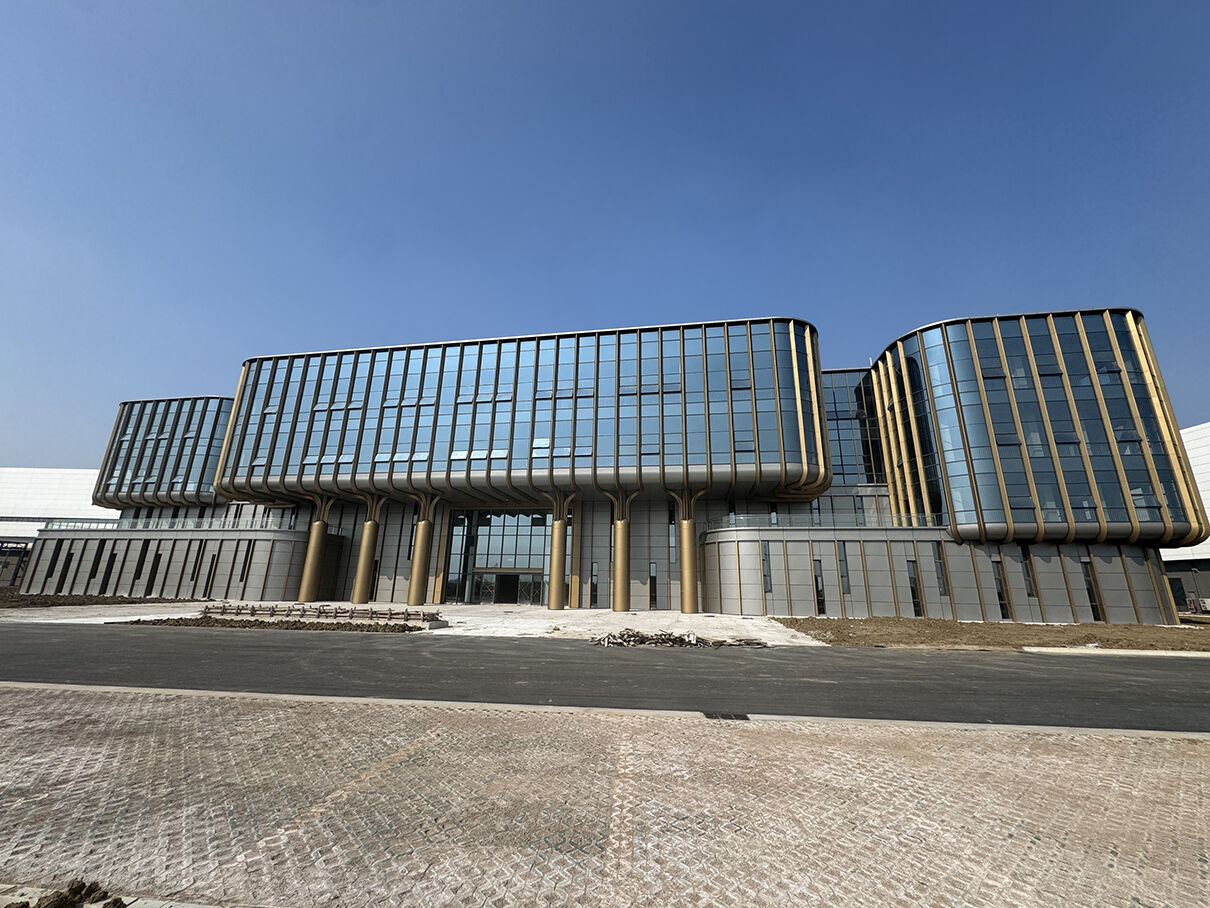
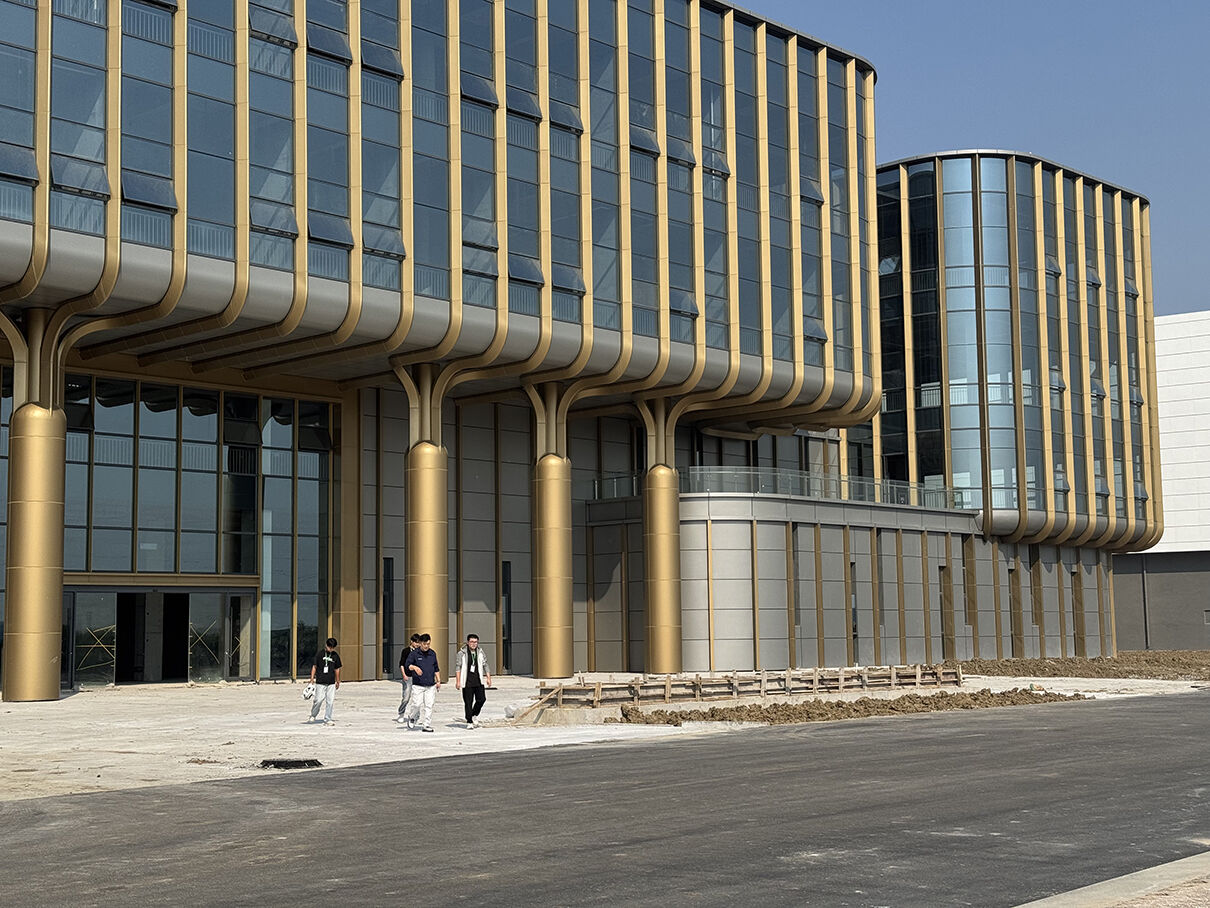
"在广西来宾,有一座占地125亩的工厂,按麦当劳工厂建设标准和BRC AA级标准建造——它生产的不是食品,而是食品的外包装:纸浆模塑的可降解餐具。你手里那份外卖餐盒,很可能就来自这里。替塑时代,一家环保新材料企业如何证明'环保'是真的?福斯派的答案是:把工厂本身建成那份证明。"
这家企业,是福斯派——专注环保新材料与可降解包装,大驰创新参与其工厂空间设计。
一、先看一条正在发生的新闻
替塑,已经从"倡议"变成了"产业"。
据公开信息,江苏福斯派新材料科技有限公司的年产35万吨可降解秸秆制品项目已获环评批复,总投资约50亿元,分三期建设,产品直指可降解餐具与纤维模塑制品——这是替塑产业链上罕见的大手笔扩产。
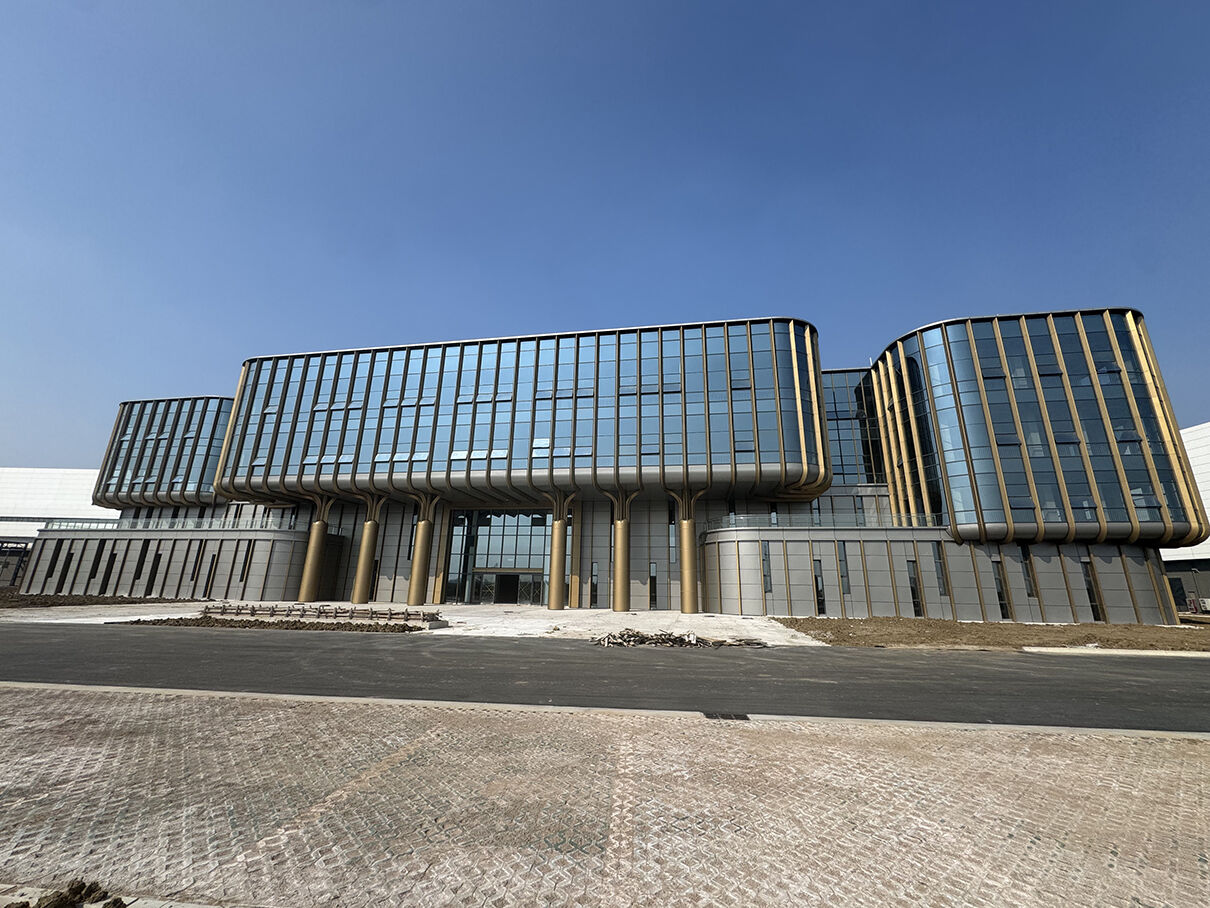
而早在2018年,福斯派就在广西来宾落子:占地125亩、厂房5.2万平方米,年处理浆板能力4万吨,拥有自主研发的自动化设备与十万至三十万级无尘车间,服务全球食品领域的品牌企业。
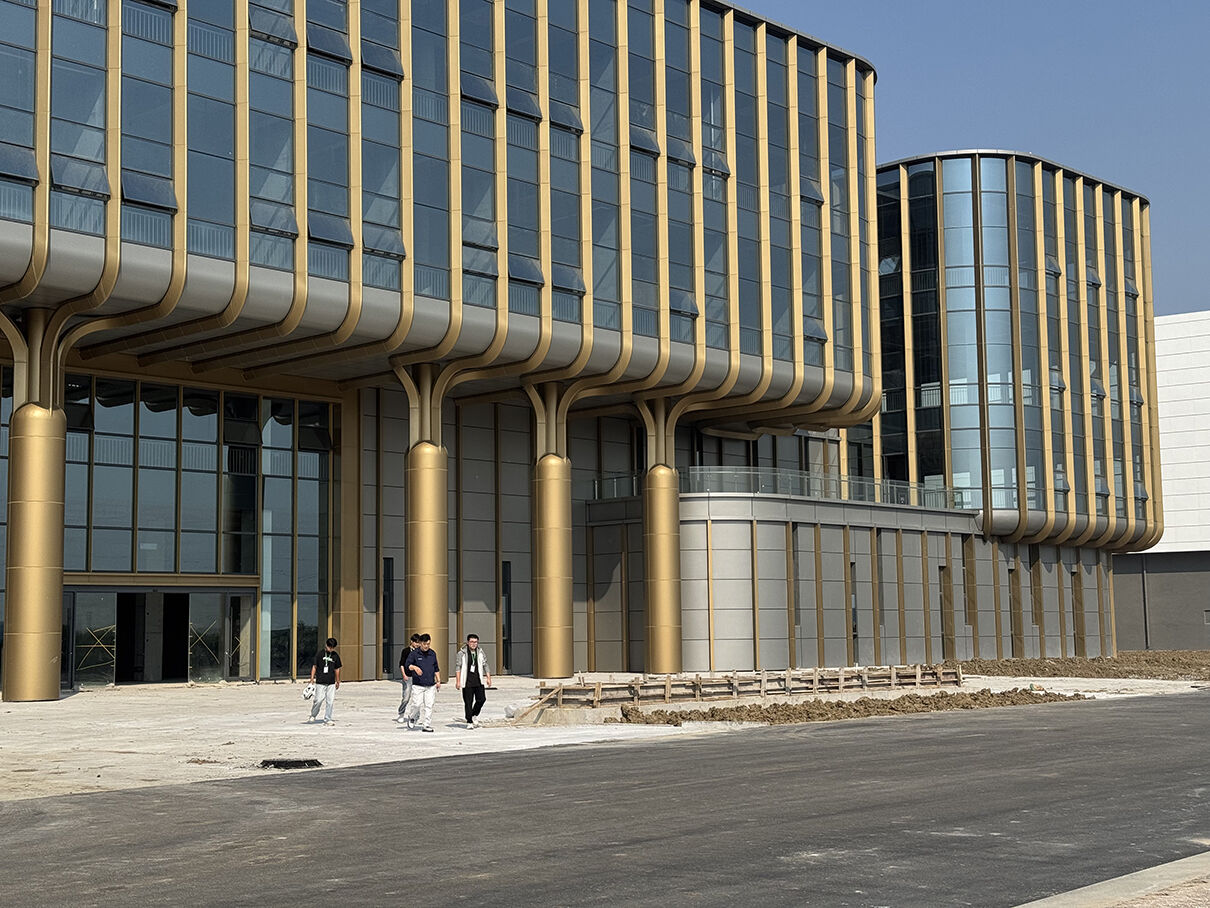
一个在广西,一个在江苏;一个是既有标杆,一个是扩产浪潮。两条新闻叠在一起,拼出了替塑产业的真实水位。
二、替塑产业卖的到底是什么?
表面看,卖的是餐具;往深处看,卖的是确定性。
限塑令之下,餐饮企业、外卖平台、跨国食品品牌都在寻找塑料的替代品。但"可降解"三个字,从来不是写在产品上就成立的——它需要一整套证据链:原料从哪里来、生产环境达不达标、卫生标准过不过关、批次一致性稳不稳定。
对采购方来说,替塑产品最大的风险不是价格,是"万一出事的代价"。 一个食品安全事件,足以让一个连锁品牌的数十年信誉归零。所以食品级包装的客户审厂,苛刻程度远超普通制造业。
福斯派把工厂按麦当劳建设标准、BRC AA级标准建造,本质上是把"确定性"实体化:认证写在纸上,而工厂让认证变得可见。
三、无尘车间:环保承诺的"现场证据"
走进福斯派的工厂,最有说服力的不是展厅,是那十万至三十万级的无尘车间。
道理很朴素:替塑是道德叙事,但道德叙事必须经得起现场检验。 纸浆模塑产品直接接触食品,生产环境的洁净度就是产品的一部分——尘埃粒子控制到多少、人流物流如何分流、检验环节设在哪个节点,每一个空间决策,都是对客户承诺的一次兑现。
大驰在参与福斯派工厂空间设计时的原则与此一致:环保新材料企业的空间逻辑,从来不是"绿色元素的装饰",而是标准的显影——让洁净、秩序、可追溯这些抽象要求,变成来访者肉眼可见的现场。
这也是为什么食品级工厂有个共同特征:它们最贵的设备不在展台上,在天花板和风管里。
四、替塑时代的"空间账",该怎么算?
算一笔账。
一家可降解包装企业,客户是连锁餐饮与跨国食品品牌——审厂通过率,直接决定订单归属;认证等级,直接决定能进入哪些供应链。福斯派选择用麦当劳标准建厂的逻辑很清晰:空间标准每抬高一级,准入的供应链就宽一圈。
这笔"空间账",和新能源、医疗器械行业的账是同一张:高标准的空间,不是成本,是门槛——迈过去,它是护城河;迈不过去,它是墙。
五、写在最后
回到那只外卖餐盒。
它的使命是使用那二十分钟,但它的诞生地,决定了它是否真的能"替塑"。替塑时代最不缺的是口号,最稀缺的是看得见的环保——看得见的车间、看得见的标准、看得见的承诺。
大驰创新创始人张驰常说:"工厂就是你最大的广告牌。"而福斯派的案例提醒我们——
替塑时代,最好的环保宣言不是印在包装上的那句slogan,是客户走进车间时,看见的那排无尘灯。
FAQ
Q1:BRC认证对食品包装企业意味着什么? A:BRC(英国零售商协会)认证是全球食品供应链广泛认可的食品安全标准,AA级是其高等级。对包装企业而言,它意味着拿到了进入跨国食品品牌供应链的"通行证"——而认证背后,是一整套空间与管理的硬指标。
Q2:环保新材料工厂的设计要点是什么? A:核心不是"绿色装饰",而是"标准的显影":洁净度等级的空间实现、人流物流的严格分流、检验节点的可视化、参观动线的信任叙事。福斯派按麦当劳标准建厂的实践说明:食品级工厂最贵的部分,恰恰是看不见的空气与动线。
Q3:替塑产业的空间投入值得吗? A:值得,且是准入逻辑而非成本逻辑。审厂通过率决定订单归属,认证等级决定供应链宽度——高标准空间是门槛,迈过去就是护城河。大驰服务96个项目的方法论一致:先算清"空间账",再动图纸。
Building an Eco-Friendly Factory to "McDonald's Standards": The Spatial Answer to the Plastic-Replacement Era
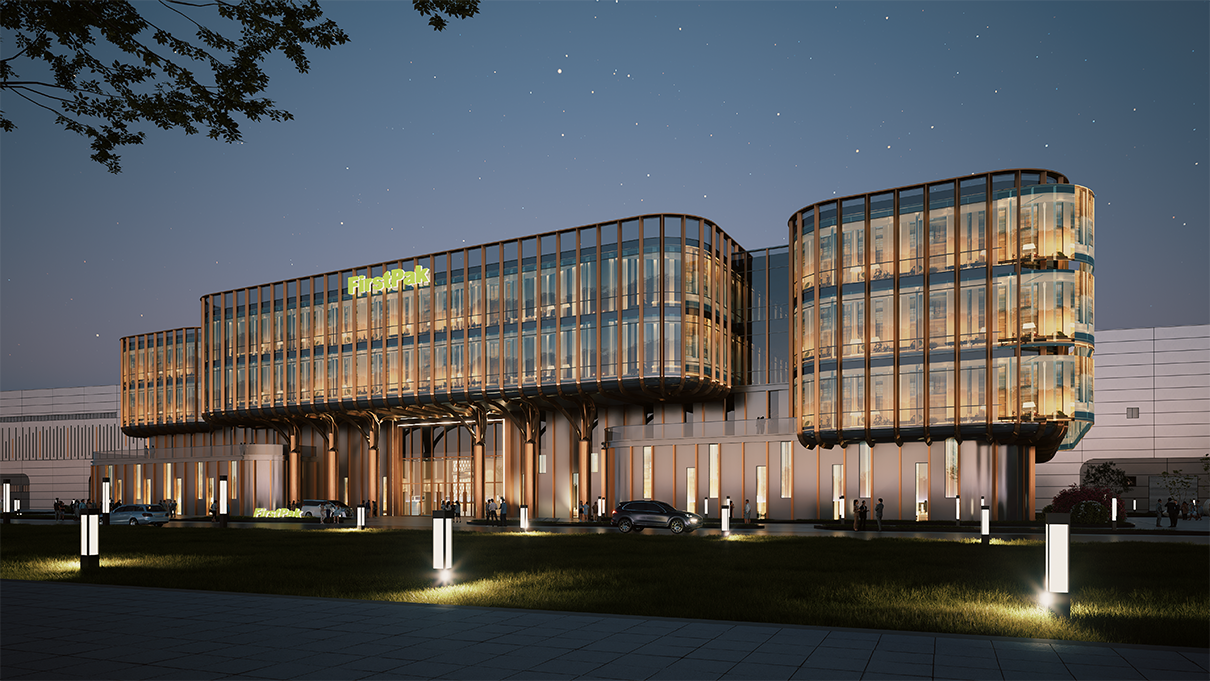
"In Laibin, Guangxi, there is a factory covering 125 mu, built to McDonald's factory construction standards and BRC AA-grade standards—yet what it produces is not food, but food's outer packaging: pulp-molded degradable tableware. The takeout container in your hand may well have come from here. In the plastic-replacement era, how does an eco-friendly new-materials company prove its 'eco-friendliness' is real? First-Pak's answer: make the factory itself that proof."
This company is First-Pak—focused on eco-friendly new materials and degradable packaging, with DACH Innovation participating in its factory spatial design.
I. First, a News Story Unfolding Right Now
Plastic replacement has moved from "initiative" to "industry."
According to public information, Jiangsu First-Pak New Materials Technology Co., Ltd.'s annual 350,000-ton degradable straw-products project has received environmental-impact approval, with a total investment of about 50 billion yuan, in three phases, targeting degradable tableware and fiber-molded products—a rare, bold capacity expansion on the plastic-replacement supply chain.
As early as 2018, First-Pak had planted its flag in Laibin, Guangxi: 125 mu of land, 52,000 square meters of workshops, annual pulp-board processing capacity of 40,000 tons, self-developed automated equipment, and Class-100,000 to 300,000 cleanrooms, serving brand enterprises in global food sectors.
One in Guangxi, one in Jiangsu; one an existing benchmark, one an expansion wave. Together, the two stories piece together the true water level of the plastic-replacement industry.
II. What Does the Plastic-Replacement Industry Actually Sell?
On the surface, tableware; deeper down, certainty.
Under plastic-restriction policies, restaurants, delivery platforms, and multinational food brands are all hunting for plastic alternatives. But "degradable" is never established just by writing it on the product—it requires a full chain of evidence: where raw materials come from, whether the production environment meets standards, whether hygiene standards pass, whether batch consistency holds.
For buyers, the biggest risk of plastic-replacement products is not price—it is "the cost of something going wrong." One food-safety incident can zero out decades of a chain brand's reputation. That is why food-grade packaging clients audit factories with a harshness far beyond ordinary manufacturing.
By building its factory to McDonald's construction standards and BRC AA-grade standards, First-Pak essentially materializes "certainty": certification is written on paper; the factory makes certification visible.
III. The Cleanroom: "On-Site Evidence" of the Eco-Promise
Walking into First-Pak's factory, the most persuasive element is not the showroom—it is those Class-100,000 to 300,000 cleanrooms.
The logic is plain: plastic replacement is a moral narrative, but a moral narrative must withstand on-site inspection. Pulp-molded products touch food directly; the cleanliness of the production environment is part of the product—how many dust particles are controlled, how people and materials flows are separated, and where inspection stations sit: every spatial decision is an fulfillment of the promise to the client.
This is consistent with the principle DACH applies in participating in First-Pak's factory spatial design: the spatial logic of an eco-friendly new-materials company is never "decoration with green elements," but the developing of standards—turning abstract requirements like cleanliness, order, and traceability into scenes visible to visitors' eyes.
This is also why food-grade factories share one trait: their most expensive equipment is not on display—it is in the ceilings and air ducts.
IV. How to Do the "Spatial Ledger" Math in the Plastic-Replacement Era?
Do the math.
A degradable-packaging company's clients are chain restaurants and multinational food brands—the factory-audit pass rate directly decides order allocation; certification grade directly decides which supply chains it can enter. First-Pak's logic in building to McDonald's standards is clear: every level the spatial standard rises, the circle of accessible supply chains widens by a ring.
This "spatial ledger" is the same sheet as in new energy and medical devices: high-standard space is not a cost—it is a threshold. Cross it, and it is a moat; fail to cross it, and it is a wall.
V. Closing
Back to that takeout container.
Its mission lasts the twenty minutes of a meal, but the place of its birth determines whether it can truly "replace plastic." The plastic-replacement era has no shortage of slogans; what is scarce is visible eco-friendliness—visible workshops, visible standards, visible promises.
Zhang Chi, founder of DACH Innovation, often says: "Your factory is your biggest billboard." And the First-Pak case reminds us—
In the plastic-replacement era, the best eco-declaration is not the slogan printed on the packaging—it is the row of cleanroom lights a client sees when walking into your workshop.
FAQ
Q1: What does BRC certification mean for food-packaging companies? A: BRC (British Retail Consortium) certification is a food-safety standard widely recognized across the global food supply chain, with AA as a high grade. For packaging companies, it means holding the "pass" into multinational food brands' supply chains—and behind the certification sits a full set of hard spatial and management metrics.
Q2: What are the design essentials of an eco-friendly new-materials factory? A: The core is not "green decoration" but "the developing of standards": spatial realization of cleanliness grades, strict separation of people and material flows, visualization of inspection nodes, and trust narratives along visitor routes. First-Pak's practice of building to McDonald's standards shows: in food-grade factories, the most expensive parts are precisely the invisible air and circulation.
Q3: Is spatial investment in the plastic-replacement industry worth it? A: Worth it—and on admission logic, not cost logic. Audit pass rates decide order allocation; certification grades decide supply-chain width—high-standard space is a threshold that becomes a moat once crossed. DACH's methodology across 96 projects is consistent: settle the "spatial ledger" first, then touch the drawings.