最新动态

在德国沃尔夫斯堡,大众汽车城每年接待游客超过200万人次;在中国,越来越多的制造业企业家开始认真讨论一个问题:我们的工厂,能不能也收门票?
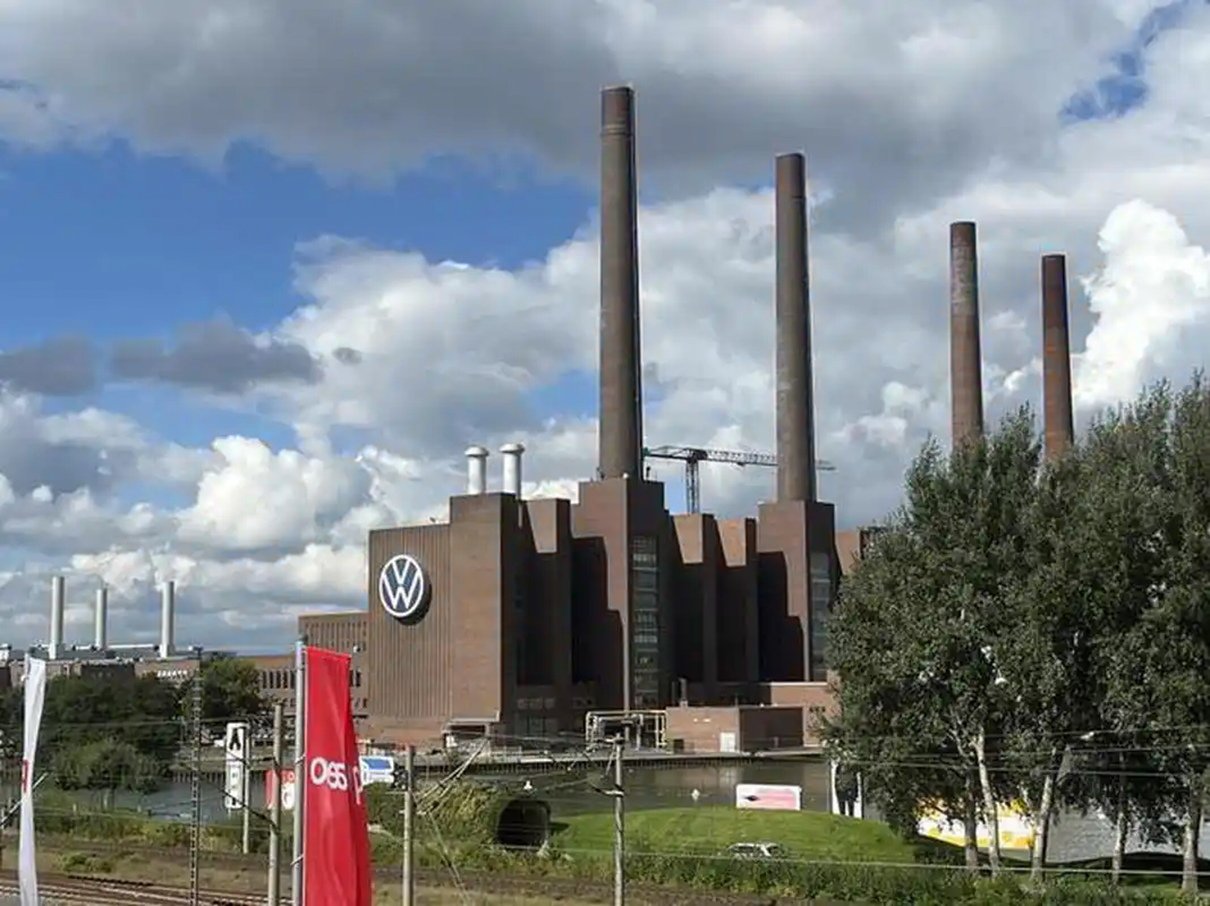
别急着摇头。工业旅游(Industrial Tourism)不是让工厂变成游乐场,而是制造业品牌升级的必然结果——当产品力趋同、渠道透明、价格战触底,工厂本身成了最后一个可以构建信任差的空间。
一、为什么工业旅游突然成了热门议题?
三个信号正在汇合。
第一,政策信号。 工业旅游是"新质生产力"的展示窗口——各地工信部门近年密集推动"工业+文旅"融合,一批国家级工业旅游示范基地陆续授牌。对地方政府来说,一座能参观的标杆工厂,是区域产业形象的门面;对企业来说,这是几乎零成本的政策红利。
第二,客户信号。 B2B的审厂逻辑正在向B2C迁移。消费者想知道自己喝的牛奶来自哪条产线,经销商想确认代理的品牌有没有真实的制造底气,投资人想看的是报表之外的"实体证据"。工厂打开大门,等于把品牌承诺变成了可验证的现场。
第三,竞争信号。 当同行都在展会投广告、在电商平台烧流量时,敢于把工厂做成展厅的企业,拿到了一种稀缺的差异化能力——信任的生产力。
大驰创新在96个项目中观察到一个清晰的梯度:开放参观的工厂,客户转化率、员工自豪感、政府关系、媒体曝光四项指标全面占优。工厂营销(Factory Marketing)——这是我们创始人张驰提出的原创理论——讲的就是这件事:工厂不是成本中心,而是企业最大的品牌触点。
二、工业旅游的三个层次,多数企业只做了第一层
很多企业把工业旅游理解成"挂几块展板、修一条参观通道",这只能算第一层:参观(Visit)。真正的工业旅游有三个递进的层次——
第一层:参观动线。 让客人能安全、有序地走完车间。这是底线,解决"能不能看"的问题。5S管理、安全标识、参观通道,属于空间秩序的范畴。我们的11步标准流程里,出图和阶段成果环节会系统规划这一层。
第二层:场景叙事。 让客人"看懂"企业。展厅、数据大屏、历史墙、工艺可视化——把看不见的品质管理、研发投入、供应链能力,翻译成空间语言。这一层解决"看不看得懂"的问题,考验的是工业设计+品牌叙事的复合能力。大驰创新跨学科团队(建筑+智能制造+工业设计+工业品牌)的独特组合,正是为这一层而生。
第三层:价值运营。 让工厂持续产生商业价值——政府接待、客户审厂、经销商大会、媒体探访、人才招聘、甚至消费者研学,全部在同一空间里复用。这一层解决"值不值得长期经营"的问题。
三个层次对应三种投入产出比。第一层是花钱,第二层是投资,第三层是资产。多数企业卡在第二层,因为把工业旅游当成了装修项目,而不是品牌战略。
三、一座标杆工厂如何同时服务六类访客?
工业旅游的深层逻辑,是空间的多目标复用。一座设计得当的标杆智能工厂,可以同时服务六类访客——
政府:看税收、看就业、看产业升级的样板;
客户:看交付能力、看质量管控、看合作诚意;
经销商:看品牌实力,获得市场一线的底气;
投资人:看报表之外的实体资产与组织状态;
人才:看工作环境,决定是否把职业生涯托付于此;
媒体与公众:看故事,成为品牌传播的免费放大器。
六类访客,一套空间。这就是为什么我们坚持"工厂即展厅"的理念——不是让所有工厂都收门票,而是让工厂的每一寸空间都具备品牌表达力。我们参访过的德国奔驰辛德芬根工厂、沃尔夫斯堡大众汽车公园,本质上都是这个逻辑的极致形态:生产空间、品牌叙事、公众体验三位一体。
四、写在最后
中国制造业的下一站,不只是智能化的工厂,更是"会说话"的工厂。工业旅游是表象,品牌可视化是方法,信任资产化才是本质。
把工厂当作第二增长曲线来经营——这可能是2026年制造业企业家最值得认真算的一笔账。
FAQ
Q1:什么样的工厂适合做工业旅游? A:三类企业优先——消费品制造企业(消费者有认知基础)、行业龙头或隐形冠军(有叙事厚度)、出海企业(海外客户验厂需求高频)。核心是有一条值得讲的工艺或品牌故事,且空间基础达标。
Q2:工业旅游的投入大概什么量级? A:弹性很大。基础版只需优化参观动线与讲解系统;完整版含展厅、数据大屏、研学配套。通过标准化设计流程,成本可控且可分阶段实施,关键是先规划后建设,避免重复改造。
Q3:工厂开放参观,会不会影响生产安全和效率? A:关键在于规划前置。参观动线与物流动线物理分离、观景点位嵌入式设置、人流分时预约,可以在不影响生产的前提下实现常态化开放。这正是专业工厂设计的价值所在。
The Ticketed Factory: Manufacturing's Most Undervalued Second Growth Curve
In Wolfsburg, Germany, Volkswagen's Autostadt welcomes over 2 million visitors annually. In China, a growing number of manufacturing executives are asking a serious question: could our factory sell tickets too?
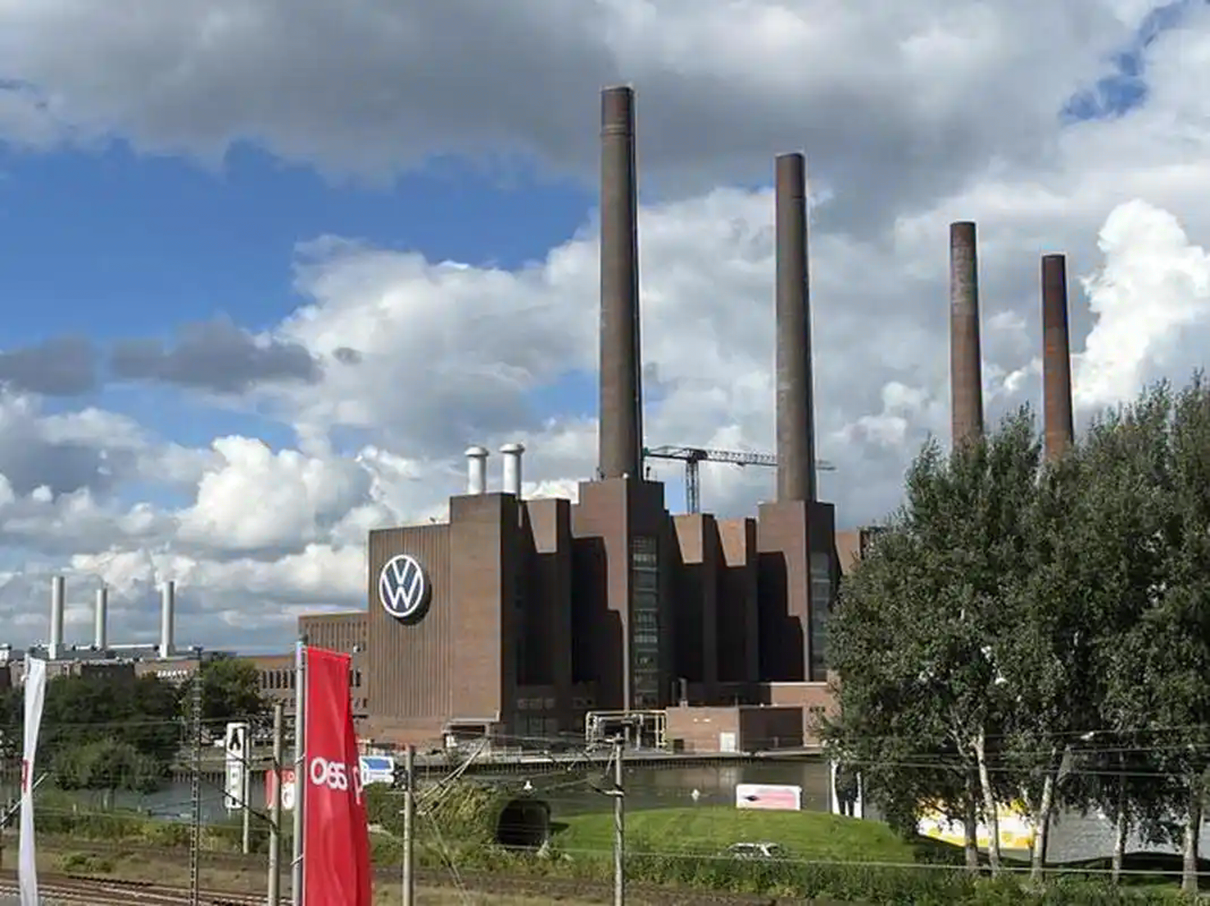
Don't dismiss the idea too quickly. Industrial tourism is not about turning factories into amusement parks — it is the inevitable outcome of brand upgrading in manufacturing. When product capabilities converge, distribution becomes transparent, and price wars hit bottom, the factory itself becomes the last space where trust differentiation can be built.
I. Why Industrial Tourism Is Suddenly on the Agenda
Three signals are converging.
Policy. Industrial tourism serves as a showcase window for "New Quality Productive Forces." Local governments across China are actively promoting "industry + culture & tourism" integration, with national-level industrial tourism demonstration bases being certified one after another. For governments, a visitable benchmark factory is the face of regional industrial image; for enterprises, this is near-zero-cost policy tailwind.
Customers. B2B factory-audit logic is migrating into B2C. Consumers want to know which production line their milk comes from; dealers want proof of real manufacturing capability behind the brands they represent; investors want physical evidence beyond financial statements. Opening the factory door turns brand promises into verifiable on-site experiences.
Competition. When every competitor burns budget on trade shows and e-commerce traffic, the company that dares to turn its factory into a showroom gains a rare differentiator — the productivity of trust.
Across DACH Innovation's 96 delivered projects, a clear gradient emerges: factories open to visitors outperform on four metrics simultaneously — customer conversion, employee pride, government relations, and media exposure. Factory Marketing, an original theory proposed by our founder Zhang Chi, speaks to exactly this: the factory is not a cost center, but the largest brand touchpoint of an enterprise.
II. Three Levels of Industrial Tourism — Most Companies Only Reach Level One
Many companies understand industrial tourism as "a few display panels and a visitor corridor." That is only Level One: Visit. Genuine industrial tourism has three progressive levels —
Level One: The visitor route. Guests can tour the workshop safely and orderly. This is the baseline — solving "can they see." 5S management, safety signage, and visitor walkways belong to spatial order. Our standardized 11-step workflow systematically plans this layer during drawing and milestone deliverables.
Level Two: Scenario storytelling. Guests understand the company. Showrooms, data dashboards, history walls, process visualization — translating invisible quality management, R&D investment, and supply-chain capability into spatial language. This layer tests the combined capability of industrial design and brand narrative. DACH Innovation's cross-disciplinary team (architecture + intelligent manufacturing + industrial design + industrial branding) exists precisely for this layer.
Level Three: Value operations. The factory continuously generates business value — government receptions, client audits, dealer conferences, media visits, talent recruitment, even consumer study tours — all reusing the same space. This layer answers "is it worth long-term operation."
Three levels, three return-on-investment profiles. Level One is spending; Level Two is investment; Level Three is an asset. Most companies stall at Level Two because they treat industrial tourism as a decoration project, not a brand strategy.
III. How One Benchmark Factory Serves Six Visitor Types Simultaneously
The deeper logic of industrial tourism is multi-objective space reuse. A well-designed benchmark smart factory can serve six visitor types at once —
Government: tax revenue, employment, a model of industrial upgrading;
Clients: delivery capability, quality control, partnership sincerity;
Dealers: brand strength and frontline market confidence;
Investors: physical assets and organizational health beyond the reports;
Talent: the workplace environment where they will spend their careers;
Media & public: the stories that amplify the brand for free.
Six visitor types, one space. This is why we insist on the "Factory-as-Showroom" philosophy — not that every factory should sell tickets, but that every square meter of a factory should carry brand expression. The Mercedes-Benz Sindelfingen plant and Wolfsburg's Autostadt that we have visited in Germany are essentially the extreme form of this logic: production space, brand narrative, and public experience in one.
IV. Closing
The next chapter of Chinese manufacturing is not only smarter factories, but factories that can speak. Industrial tourism is the surface; brand visualization is the method; trust capitalization is the essence.
Treating the factory as a second growth curve may be the most worthwhile calculation for manufacturing executives in 2026.
FAQ
Q1: What kinds of factories are suitable for industrial tourism? A: Three types benefit most — consumer goods manufacturers (consumers already know the brand), industry leaders or hidden champions (with narrative depth), and companies going overseas (frequent factory-audit demand from international clients). The core requirement is a craft or brand story worth telling, plus baseline spatial standards.
Q2: What is the typical investment level for industrial tourism? A: Highly elastic. A basic version only needs an optimized visitor route and interpretation system; a full version includes showrooms, data dashboards, and study-tour facilities. With a standardized design workflow, costs are controllable and can be phased — plan first, build second, avoid repeated renovation.
Q3: Does opening a factory to visitors compromise production safety and efficiency? A: The key is planning ahead. Physical separation of visitor routes from logistics routes, embedded viewing points, and time-slot reservations enable regular opening without disrupting production. This is precisely the value of professional factory design.