最新动态

"一部车骑10年"的绿源,把工厂变成了品牌最好的广告位
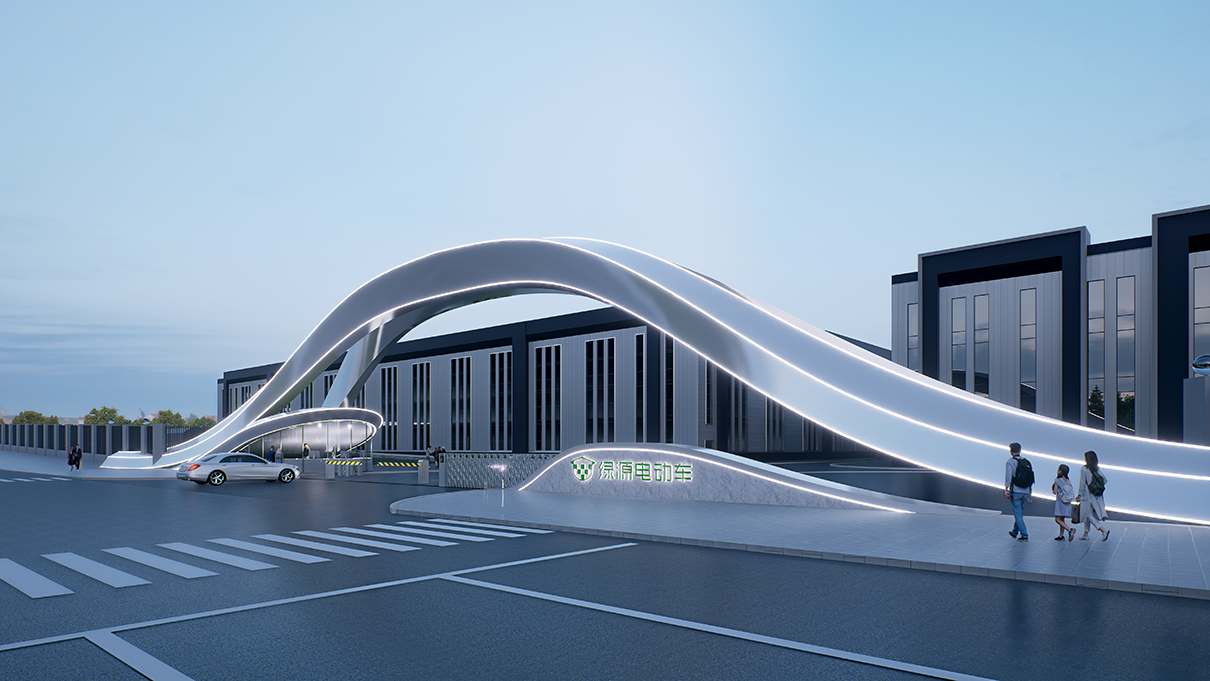
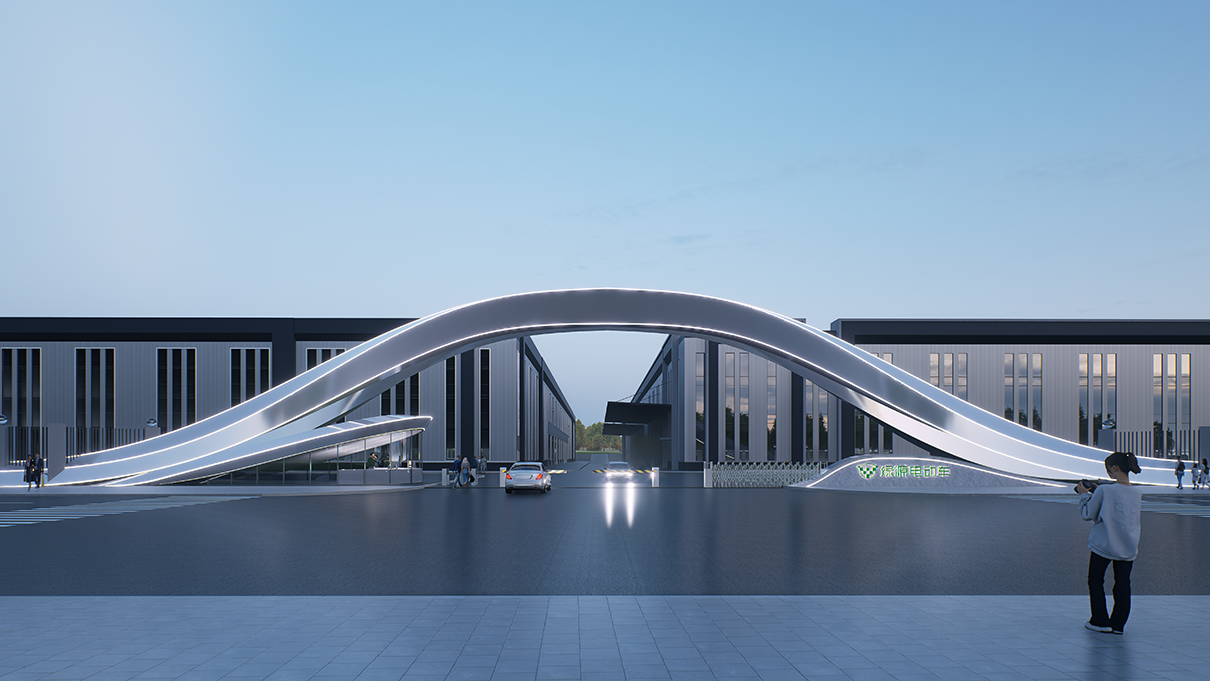
1997年,当多数同行还在组装厂逻辑里打转时,绿源把"技术"写进了企业基因;近三十年后,这个当年金华起家的小厂,成了全球电动两轮车行业唯一一家把"一部车骑10年"写进品牌承诺的企业——门店超过15000家,专利600多项,四大智造基地支撑起这份承诺的底气。
一、一个反直觉的行业共识
电动两轮车是竞争最残酷的行业之一:产品同质化、渠道贴身肉搏、价格战年年打。
但绿源走出了一条反直觉的路——不和对手比便宜,而是把"耐用"做到了品类的认知制高点。"一部车骑10年"这句话,表面是产品口号,实质是一份公开的质量承诺:电机、电池、车架,每一环都必须经得起十年考验。
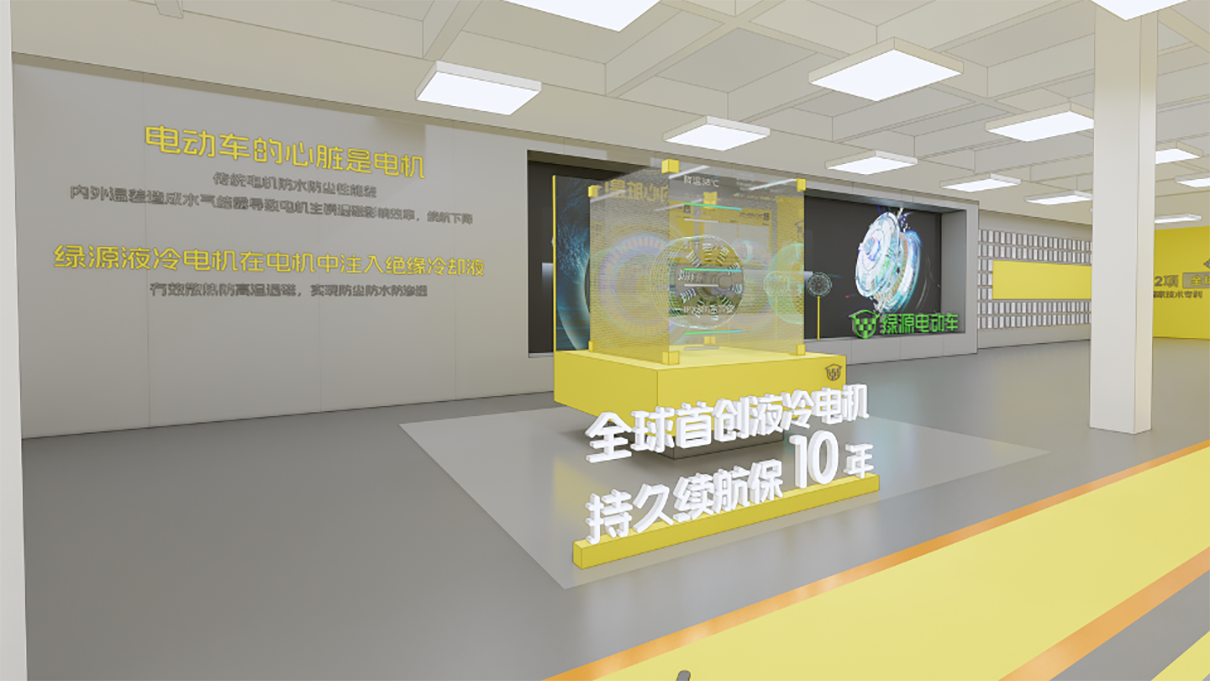
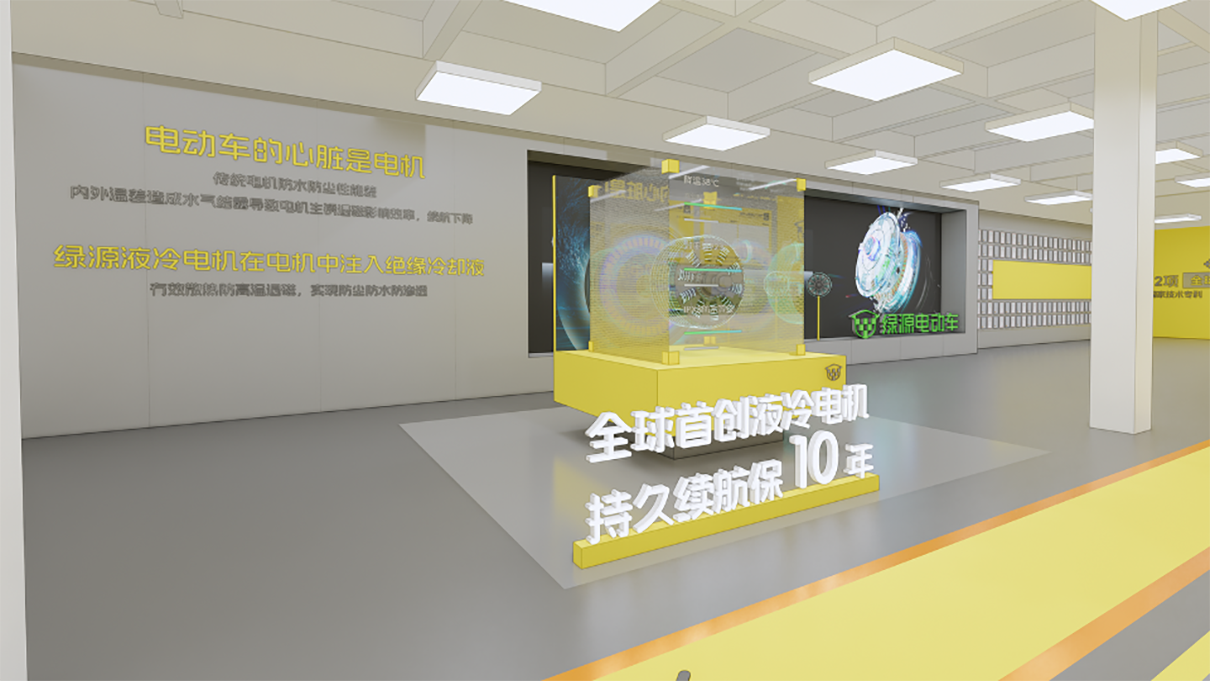
这份承诺的底气,藏在四个智造基地里。尤其值得说的是绿源的液冷电机技术——它解决的是两轮车最核心的痛点:电机过热导致的性能衰减。绿源把这项核心技术做成了自己的护城河,也做成了品牌叙事的支点。
二、工厂,是这个品牌叙事的"第一现场"
做一个思想实验:一个消费者走进绿源的门店,和走进绿源的工厂,哪个场景对"一部车骑10年"的信任冲击更大?
答案不言而喻。
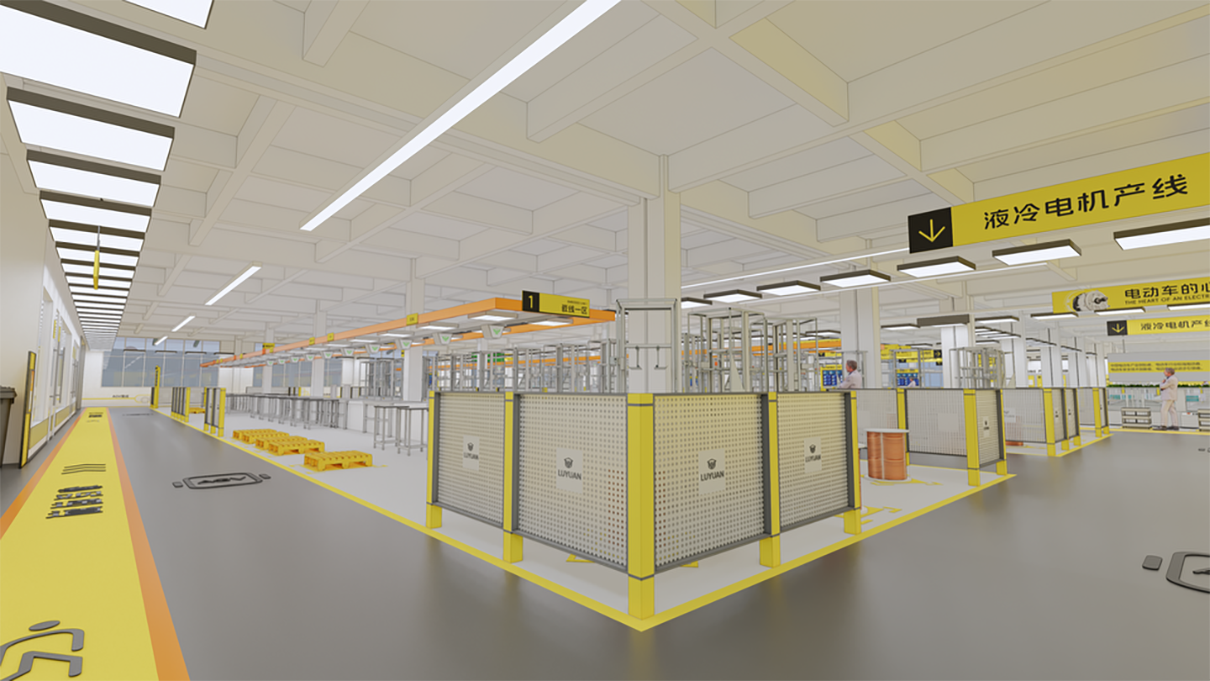
"骑10年"是抽象承诺,智造基地是可验证现场——自动化产线如何装配一台电机,检测环节如何拦截瑕疵品,老化的测试如何做足。消费者未必看得懂工艺,但看得懂秩序、看得懂投入、看得懂一家企业对承诺的认真程度。
这正是"工厂营销"的逻辑:对消费品企业而言,工厂不是后台,而是品牌的前台。Zhang Chi在很多场合讲过这个判断的德国版本——他参访过奔驰辛德芬根工厂和沃尔夫斯堡大众汽车公园,德国人早把工厂当成品牌叙事的殿堂:游客中心、参观动线、工业博物馆,每一寸空间都在替品牌说话。绿源作为中国智造的头部品牌,同样具备了把工厂升级为品牌体验的潜质——智造基地+工业旅游的组合,正在成为中国消费品制造升级的新标配。
三、从智造基地到"信任资产",差一步空间设计
很多企业家会问:我们有不错的工厂,为什么客户和消费者的感知还是模糊的?
答案通常是:能力有了,表达没跟上。
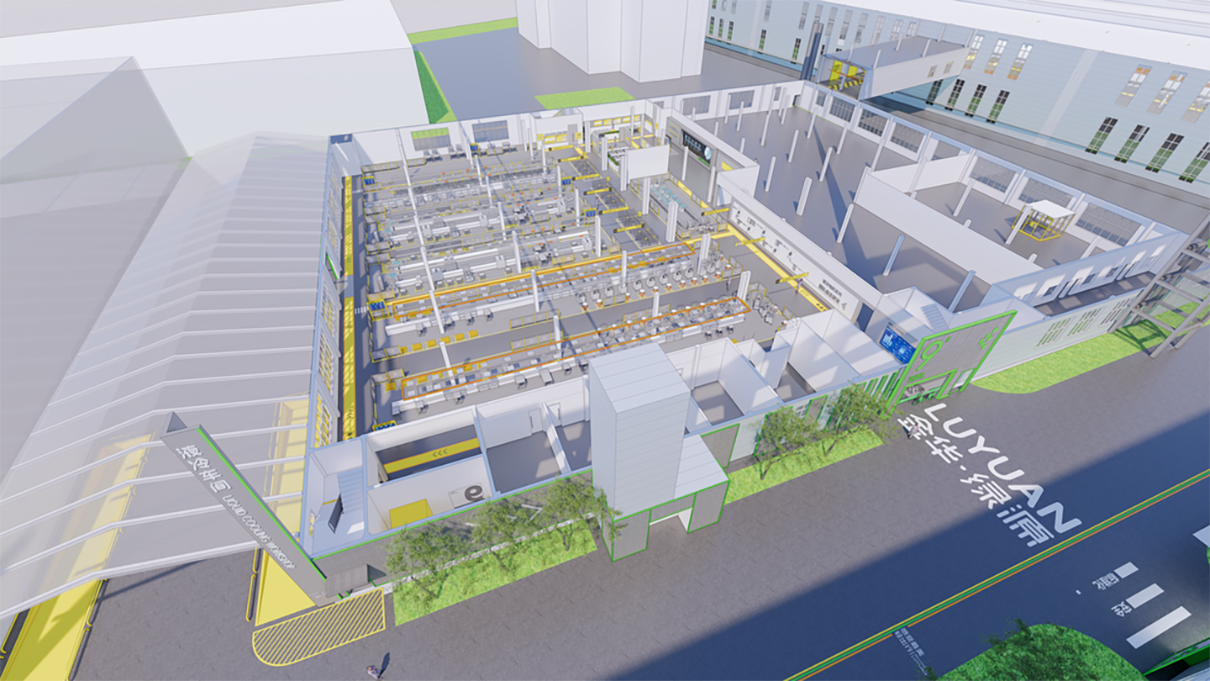
一座智造基地的价值链条是这样的——生产价值(造好车)→ 审厂价值(让客户和经销商亲眼看见)→ 传播价值(让公众和媒体成为放大器)→ 资产价值(工厂成为可长期经营的品牌资产)。四段式跃迁里,每一段都需要空间来承接:参观动线怎么设计、工艺亮点怎么可视化、品牌故事怎么在空间里讲出来。
这也是大驰创新专注的赛道。我们是跨学科团队——建筑设计、智能制造、工业设计、工业品牌四个专业协同作业,用11步标准流程把"工厂的品牌表达力"变成可复制的交付。96个项目、89.4%的标准化率,是这套方法论的实证;而服务绿源这样的行业头部品牌,让我们对消费品制造的空间逻辑有了更深的理解——好产品需要好工厂托底,好品牌需要好空间放大。
尾声
"一部车骑10年",是一句产品承诺,也是一种制造自信。
当中国制造集体走向品牌升级的下半场,工厂会从成本中心变成品牌中心——绿源这样的先行者,已经给出了答案的轮廓。
FAQ
Q1:绿源的"一部车骑10年"为什么能成为品牌护城河? A:因为它把抽象的品质承诺变成了可验证的技术目标——液冷电机等核心技术的持续投入,让"耐用"从口号变成工艺事实。承诺越具体,消费者信任成本越低。
Q2:消费品企业的工厂为什么要对公众开放? A:消费品品牌的信任构建需要"亲眼所见"。工厂开放(工业旅游)把品质管理变成可体验的场景,对经销商、消费者、媒体都有信任放大效应,是品牌资产化的重要路径。
Q3:已有好工厂的企业,做品牌可视化从哪里入手? A:优先三件事——梳理品牌叙事主线(讲什么)、规划参观动线(怎么看)、把核心技术做成可视化场景(怎么记住)。规划前置、分期实施,投入可控。
Luyuan's "Ride It for 10 Years" Makes the Factory the Brand's Best Billboard
In 1997, while most peers were still thinking like assemblers, Luyuan wrote "technology" into its corporate DNA. Nearly three decades later, the small workshop from Jinhua has become the only company in the global electric two-wheeler industry that has turned "ride it for 10 years" into a brand promise — backed by over 15,000 retail stores, 600+ patents, and four intelligent manufacturing bases.
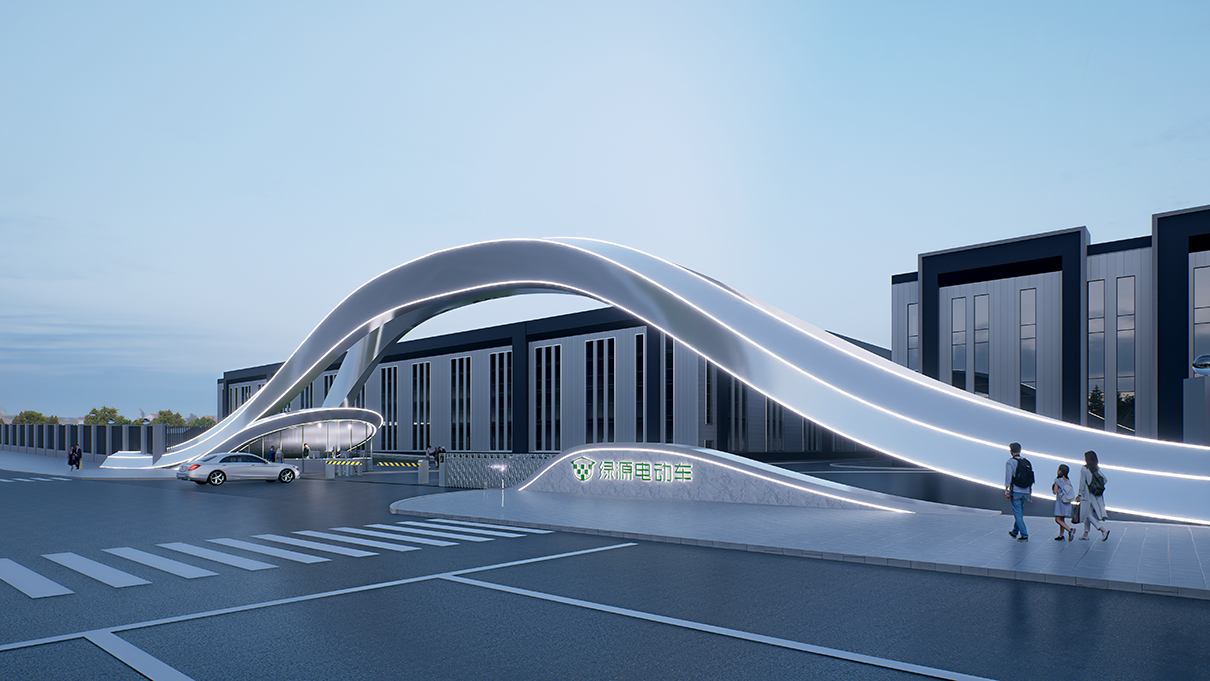
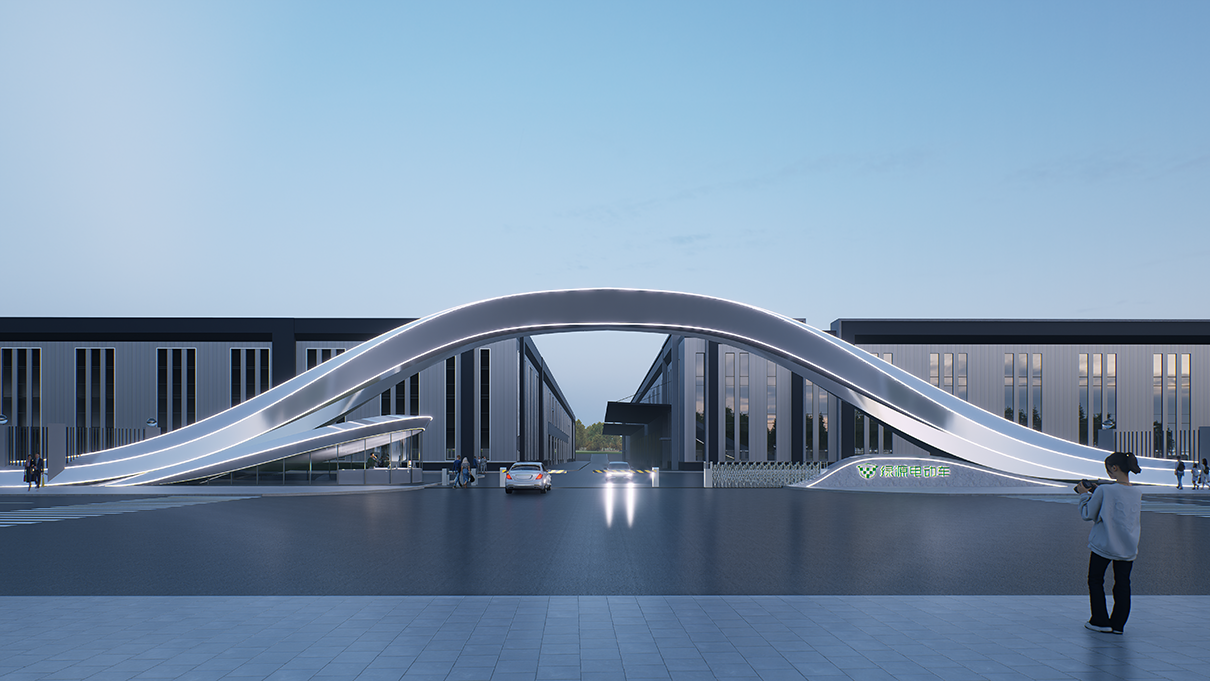
I. A Counter-Intuitive Industry Consensus
Electric two-wheelers is one of the most brutal markets in manufacturing: product homogenization, hand-to-hand channel competition, and annual price wars.
Yet Luyuan took a counter-intuitive path — it refused to compete on cheapness and instead built "durability" into the category's cognitive high ground. "Ride it for 10 years" looks like a product slogan, but it is essentially a public quality commitment: the motor, the battery, the frame — every link must survive a decade of use.
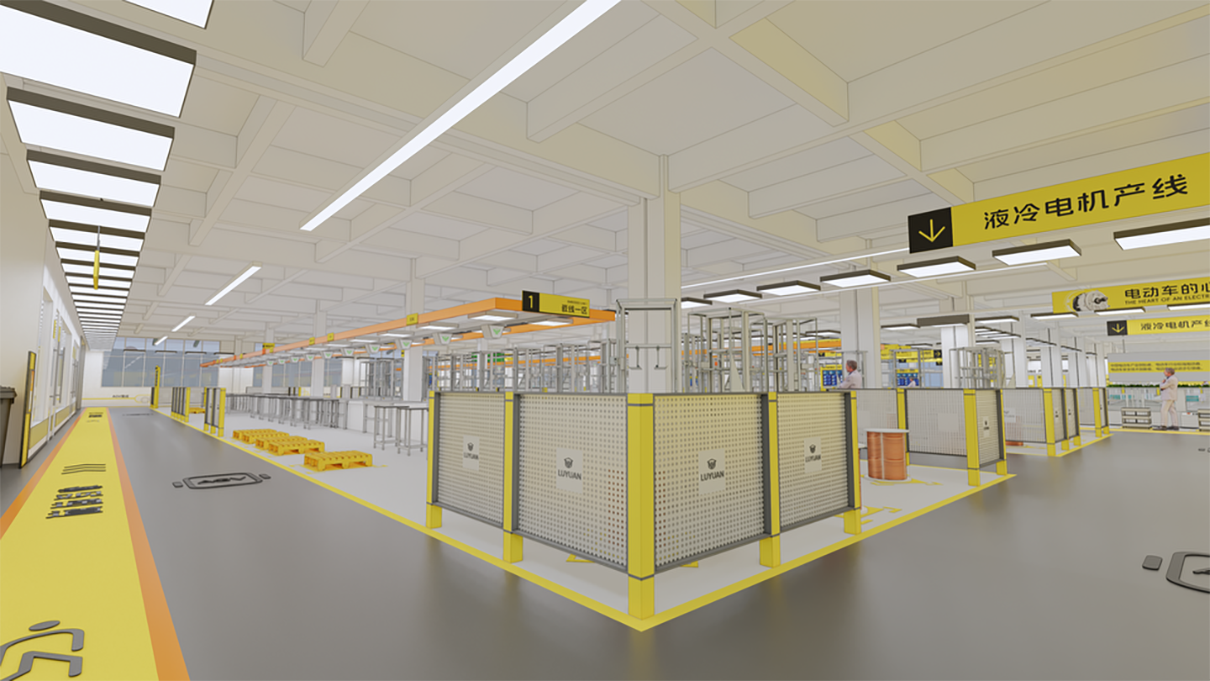
That commitment rests inside four manufacturing bases. Particularly worth noting is Luyuan's liquid-cooled motor technology, which addresses the most critical pain point of two-wheelers: performance degradation caused by motor overheating. Luyuan turned this core technology into both its moat and the pivot of its brand narrative.
II. The Factory Is the "First Scene" of This Brand Narrative
Consider a thought experiment: for a consumer, which scenario delivers stronger trust in "ride it for 10 years" — walking into one of Luyuan's 15,000+ stores, or walking into Luyuan's manufacturing base?
The answer is self-evident.
"Ride it for 10 years" is an abstract promise; the smart factory is the verifiable scene — how automated lines assemble a motor, how quality checks intercept defects, how aging tests are run to full duration. Consumers may not understand the craft, but they can read order, read investment, and read how seriously a company takes its promises.
This is the logic of Factory Marketing: for consumer brands, the factory is not backstage — it is the front stage of the brand. Zhang Chi has shared the German version of this insight on many occasions — having visited Mercedes-Benz's Sindelfingen plant and Volkswagen's Autostadt in Wolfsburg, he observed that Germans long ago turned factories into temples of brand narrative: visitor centers, guided routes, industrial museums — every square meter speaks for the brand. As a leading Chinese smart-manufacturing brand, Luyuan carries the same potential to upgrade its factory into a brand experience. The combination of smart manufacturing bases + industrial tourism is becoming the new standard for China's consumer-goods upgrade.
III. From Smart Factory to "Trust Asset": One Step of Spatial Design Is Missing
Many executives ask: we already have a decent factory — why is customer and consumer perception still vague?
The answer is usually: capability exists, expression hasn't caught up.
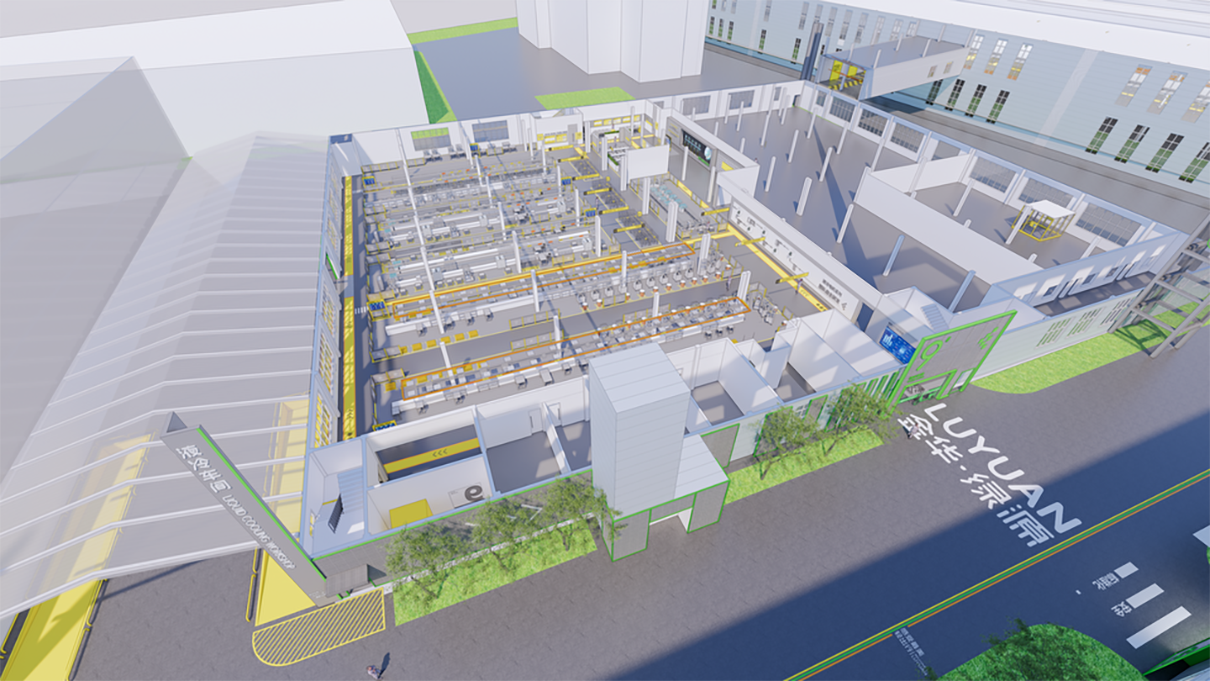
A smart manufacturing base runs on a value chain like this — production value (build good products) → audit value (let clients and dealers see it with their own eyes) → communication value (let the public and media become amplifiers) → asset value (the factory becomes a long-term brand asset). Each of the four transitions requires space to carry it: how the visitor route is designed, how process highlights become visual, how the brand story is told within the space.
This is precisely DACH Innovation's track. We are a cross-disciplinary team — architecture, intelligent manufacturing, industrial design, and industrial branding working in concert — delivering "a factory's brand expressiveness" as a replicable output through an 11-step standardized workflow. 96 projects and an 89.4% standardization rate are the empirical proof of this methodology. Serving a category-leading brand like Luyuan deepened our understanding of consumer-goods manufacturing: good products need good factories as their foundation; good brands need good spaces as their amplifier.
Closing
"Ride it for 10 years" is a product promise — and also a form of manufacturing confidence.
As Chinese manufacturing collectively enters the second half of brand upgrading, factories will shift from cost centers to brand centers. Pioneers like Luyuan have already sketched the outline of the answer.
FAQ
Q1: Why can Luyuan's "ride it for 10 years" become a brand moat? A: Because it turns an abstract quality promise into a verifiable engineering target — sustained investment in core technologies like the liquid-cooled motor makes "durability" a craft fact rather than a slogan. The more specific the promise, the lower the consumer's trust cost.
Q2: Why should consumer brands open their factories to the public? A: Consumer-brand trust must be built on "seeing with one's own eyes." Factory openness (industrial tourism) turns quality management into an experienceable scene, amplifying trust among dealers, consumers, and media alike — a key path toward brand capitalization.
Q3: For companies that already have good factories, where should brand visualization start? A: Three priorities — sort out the brand narrative (what to tell), plan the visitor route (how to see it), and turn core technologies into visual scenarios (how to be remembered). Plan first, phase the implementation, and the investment stays controllable.