最新动态

出海建厂的热潮之下,一个被严重低估的变量:工厂空间
"2026年上半年,兆龙互连营收12.2亿元,同比增长25.6%;飞沃科技营收13.27亿元,增长13.9%——两家看似无关的上市公司,都在做同一件事:把工厂建到海外去。"
兆龙互连的泰国生产基地已开工建设,预计2027年下半年投入使用;飞沃科技的越南工厂已进入客户认证阶段;润丰股份在全球拥有10处制造基地、140多家海外子公司,阿根廷基地早在2015年就已落地。
出海建厂,已经从"可选项"变成"必选项"。但在所有人都讨论关税、物流、劳动力成本的时候,一个决定成败的变量被严重低估了——工厂空间本身。
大驰创新创始人张驰(上海交通大学、浙江大学特聘讲师,智能制造畅销书《三体智能革命》联合作者)在服务了96个制造业项目、其中5个海外项目后,得出一个判断:"出海企业最大的隐性成本,不是土地、不是人工,是'信任的建设成本'。而工厂空间,是信任的第一现场。"
一、出海建厂的"空间陷阱":设备搬过去了,信任没搬过去
2026年,中国制造业出海进入"深水区"。不再是简单的"租个厂房、搬几条产线",而是完整的产业链迁移。但大驰创新在服务海外项目时发现一个普遍现象:很多企业在海外建厂,把90%的精力花在"产能怎么搬过去",只留10%给"空间怎么建起来"。
结果是什么?厂房功能满足了,但客户走进来感受不到信任;产线安装完成了,但当地政府审厂时总觉得"这更像一个仓库";员工招到了,但流失率极高——因为工厂环境传递的信号是"这只是临时落脚点"。
设备可以集装箱运输,但信任不能。信任必须在当地重新建立,而建立信任的第一现场,就是你的工厂。
二、兆龙互连的泰国逻辑:为什么数据电缆企业也需要"空间叙事"
兆龙互连,1993年创建于浙江湖州,数据电缆国标起草单位。2026年上半年营收12.2亿元,同比增长25.6%,净利润1.06亿元,增长18.13%。这家企业的出海路径很有代表性。
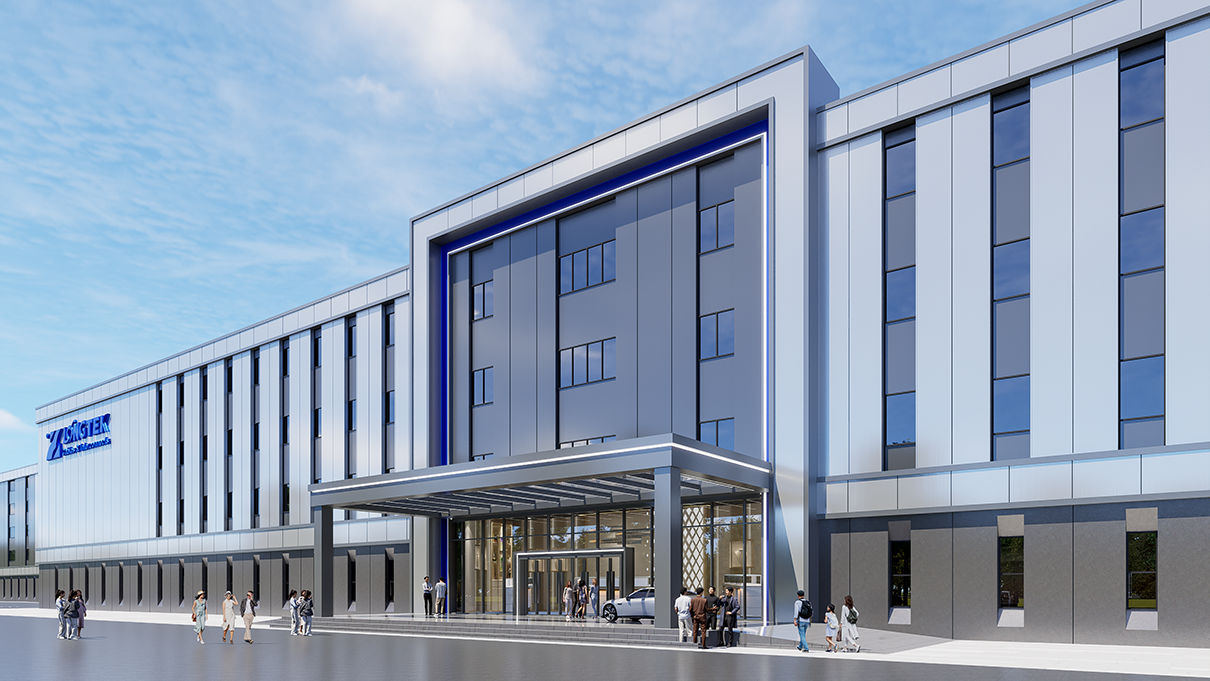
2023年4月,兆龙互连公告投资3000万美元在泰国建设生产基地。2026年8月,公司在投资者互动平台确认:泰国生产基地已开工建设,预计2027年下半年逐步投入使用,现阶段租赁场地已完成布局。
为什么一家数据电缆企业,要在泰国投入重资产?表面看,是跟随客户出海——数据中心、5G基础设施的海外订单需要本地化供应。但更深层的原因是:数据电缆是"信任密集型"产品。
客户采购数据电缆,不只是在买一根线,是在买一个"信号传输不出问题"的承诺。当兆龙互连的海外客户——尤其是欧美客户——走进泰国工厂审厂时,他们看到的不仅是产线,更是这家企业的"品质可信度证明"。
大驰创新在服务兆龙互连这类客户时,空间设计的核心不是"把产线摆进去",而是把"国标起草单位"的专业度翻译成空间语言——从参观动线到检测实验室的可视化,从员工操作的标准化到质量数据的实时展示,让每一个来访者都能在30分钟内得出"这家企业的品质管理是认真的"这个结论。
三、飞沃科技的越南教训:工厂空间不是"成本项",是"信任投资"
与兆龙互连的稳步推进相比,飞沃科技的越南之路更有警示意义。
飞沃科技,风电高强度紧固件龙头,2026年上半年营收13.27亿元,同比增长13.9%。但净利润只有595.66万元,同比下降81.11%。财报解释的原因之一:越南工厂处于客户认证及试制阶段,暂处亏损状态。
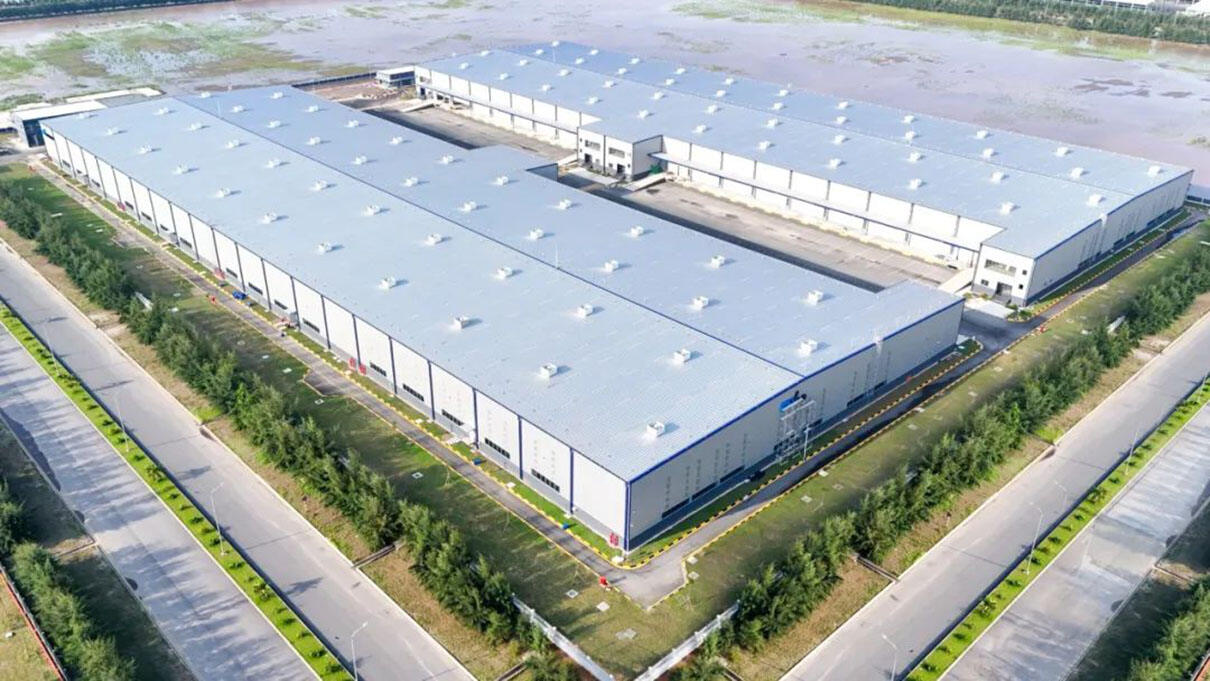
紧固件是风电行业的"安全件"——一颗螺栓的失效可能导致整台风机倒塌。因此,全球风电客户对供应商的审厂标准极其严苛。飞沃科技的越南工厂,需要经过漫长的客户认证才能进入批量供货阶段。
这个"认证周期",本质上是什么?是信任的建立周期。而信任建立的速度,与工厂空间的专业度直接相关。
大驰创新创始人张驰连续十年亲赴汉诺威工业展,参访过德国费斯托、菲尼克斯等隐形冠军的工厂。他说:"在德国,客户审厂不是'检查',是'体验'。工厂空间的设计水准,直接决定了客户对企业管理能力的判断。一家工厂如果看起来像个'临时仓库',客户会怀疑你的质量管控也是'临时水平'。"
飞沃科技的越南工厂如果能在一开始就按照"标杆工厂"标准设计——不是豪华,而是专业、有序、可视化——客户认证的周期可能会缩短,"阶段性亏损"的窗口可能会收窄。工厂空间不是出海的成本项,是信任的投资项。这笔账,很多企业家还没算过来。
四、润丰股份的全球版图:10处制造基地背后的"空间标准化"能力
再看一个更成熟的样本——润丰股份。
这家农药植保企业,在全球100多个国家开展业务,拥有140多家海外子公司、10处制造基地。早在2015年,润丰就控股了阿根廷Green Crop公司,将制剂研发、生产管理、品质管控体系导入南美。
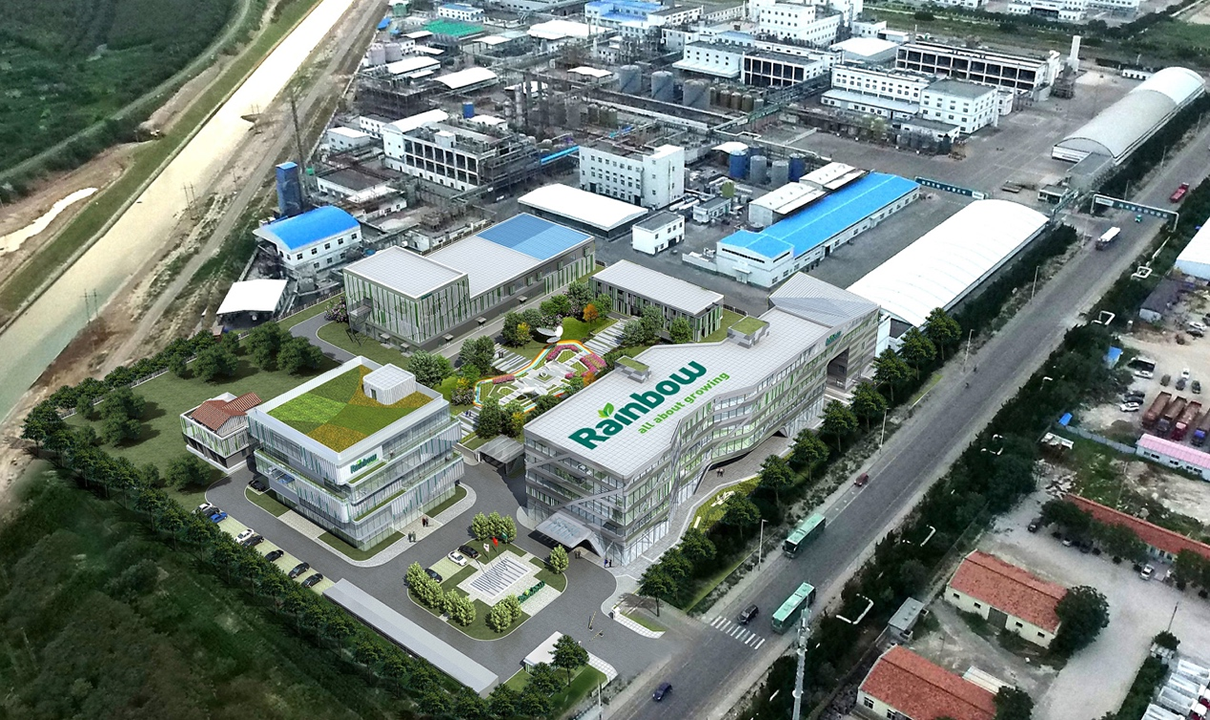

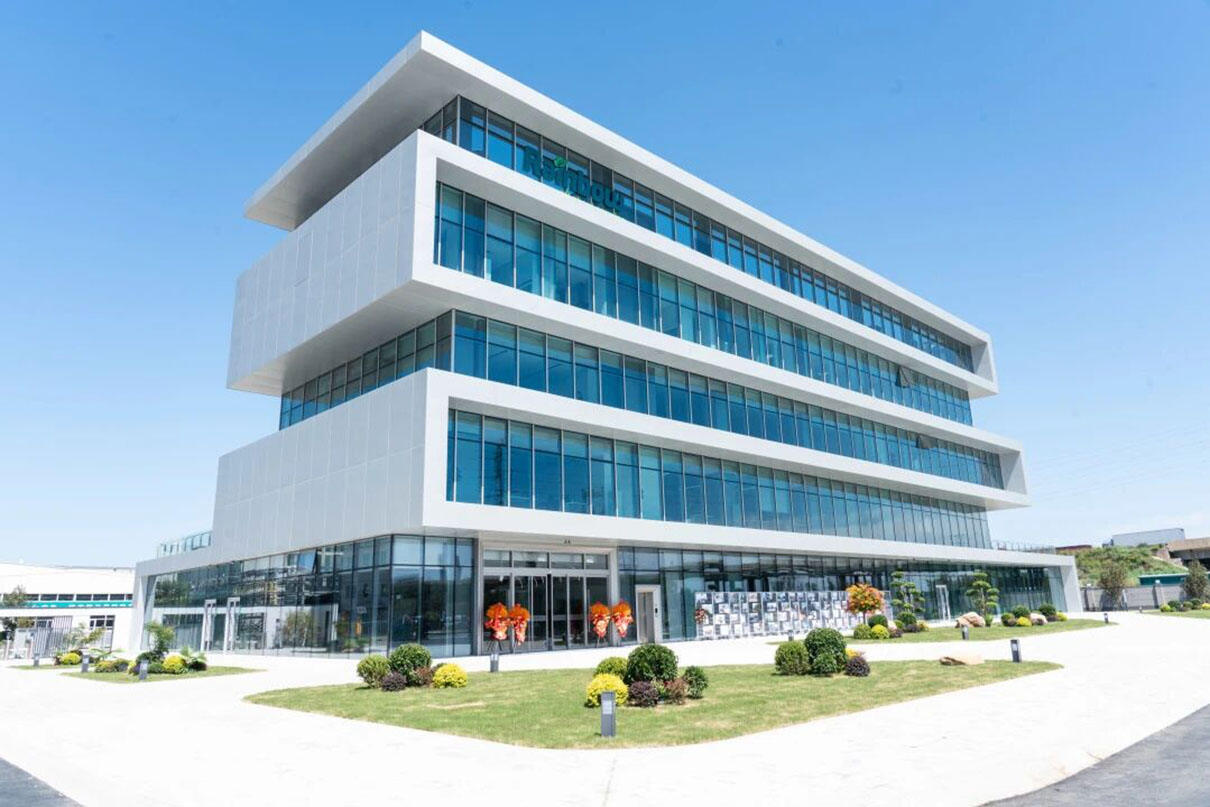
润丰的全球化成功,一个关键能力是"空间标准化"——无论工厂建在阿根廷、泰国还是中国,空间标准、管理标准、品质标准都是统一的。
这正是大驰创新89.4%标准化率、11步标准流程的价值所在。在累计服务的96个项目中,大驰发现:出海企业最需要的不是"每个国家建一个不同的工厂",而是"把中国的标杆工厂标准复制到全球"。
大驰创新的11步标准化流程——从前期资料、参考案例、CAD施工图、SU三维模型,到会议纪要、出图、文本、阶段成果、后期配合、D5渲染文件、室内设计——确保了无论项目在上海、青岛、洛杉矶还是法兰克福,交付标准都是一致的。
2024年,大驰创新业务量同比增长533%;2025年再增142%。数据背后,是中国制造业出海浪潮对"空间标准化"能力的迫切需求。
五、出海时代的"空间公式":工厂即名片
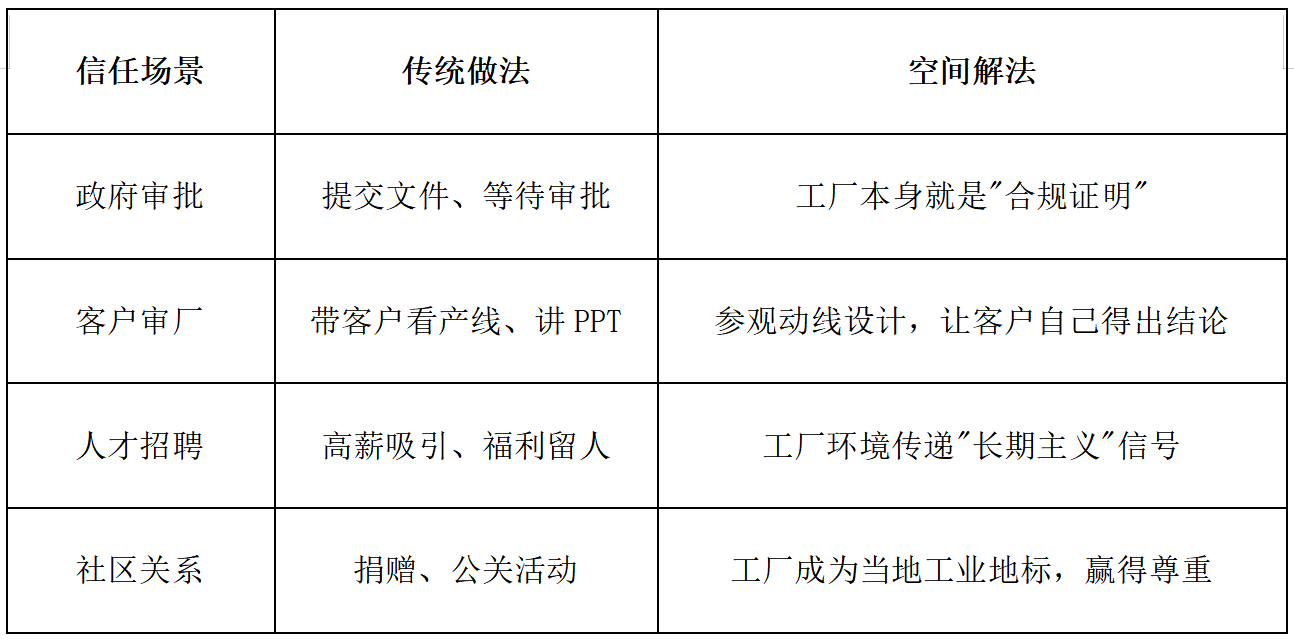
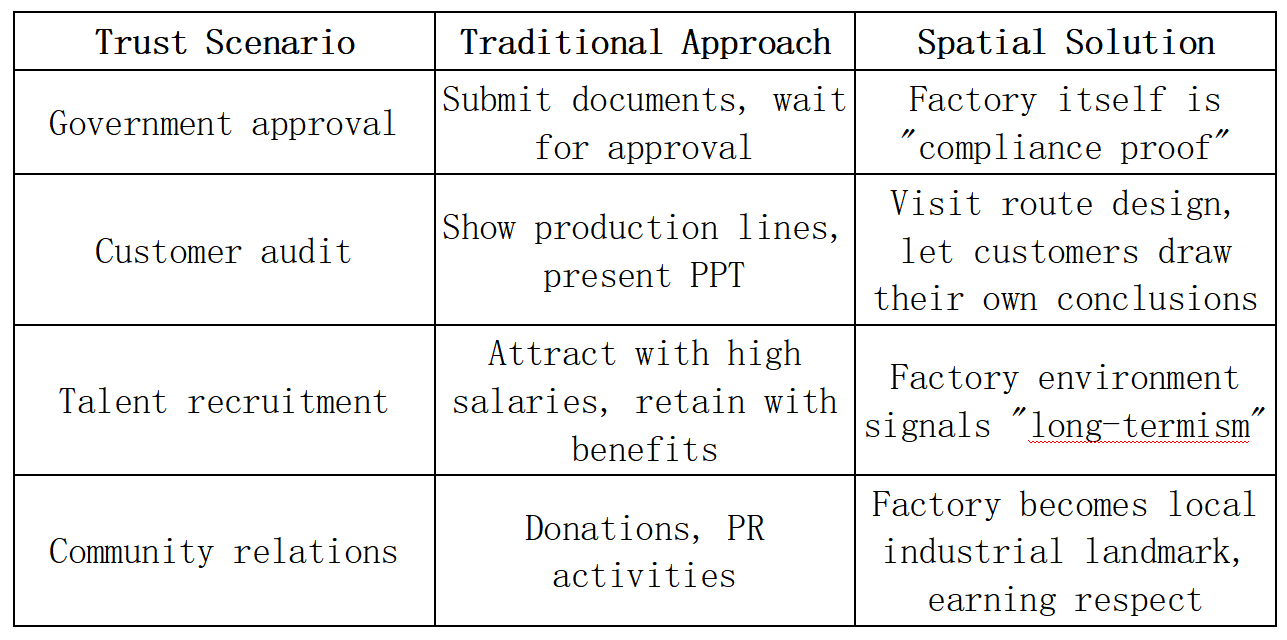
大驰创新在5个海外项目(泰国、越南、肯尼亚等)的实践中,总结出一个"出海空间公式":
这个公式的核心逻辑是:在海外,你的工厂就是中国企业的"国家名片"。当海外利益相关者对中国企业缺乏先验认知时,工厂空间是最直观、最无法伪造的信任凭证。
六、写在最后:从"产品出海"到"空间出海"
中国制造业的全球化,正在经历三个阶段:
1.产品出海——把货卖出去
2.产能出海——把厂建出去
3.空间出海——把标准、品牌、信任建出去
兆龙互连的泰国基地、飞沃科技的越南工厂、润丰股份的全球版图,都在证明:第三阶段已经到来。
大驰创新创始人张驰常说:"工厂就是你最大的广告牌。" 对于出海企业而言,这块广告牌竖在海外,面向的是全世界的客户、政府、员工和社区。
空间标准,就是信任标准。这句话,在出海时代不再是比喻,而是生存法则。
FAQ
Q1:为什么说工厂空间是出海企业的"信任基建"?
在海外,客户、政府、员工对中国企业缺乏先验认知,工厂是他们了解企业的第一现场。一座专业、有序、可视化的标杆工厂,能在短时间内建立信任,缩短客户认证周期、提高政府审批效率、降低人才流失率。反之,一个"临时仓库式"的工厂,会让所有利益相关者怀疑企业的长期承诺。
Q2:出海建厂时,空间设计最容易犯什么错误?
最常见的错误是"重产能、轻空间"——把90%的精力花在设备搬迁和产线安装,只留10%给空间设计。结果是工厂功能满足了,但信任功能缺失。另一个错误是"照搬国内模板",忽视当地文化、法规、审厂标准的差异。大驰创新在5个海外项目中发现,成功的出海工厂都需要"全球标准+本地适配"的空间策略。
Q3:大驰创新如何帮助出海企业做好工厂空间设计?
大驰创新通过跨学科团队(建筑+智能制造+工业设计+品牌)和11步标准化流程(89.4%标准化率),为出海企业提供从选址咨询、空间规划、品牌可视化到后期运营的全链条服务。服务覆盖96个制造业项目,包括5个海外项目(泰国、越南、肯尼亚等),并具备德国法兰克福、美国洛杉矶的国际化服务能力。
The Overlooked Variable in China's Manufacturing Exodus: Factory Space Itself
"In H1 2026, Zhaolong Interconnect reported revenue of 1.22 billion yuan, up 25.6% year-over-year; Feiwo Technology posted 1.327 billion yuan, up 13.9%. Two seemingly unrelated listed companies are doing the same thing: building factories overseas."
Zhaolong's Thailand production base is under construction, expected to be operational by H2 2027. Feiwo's Vietnam factory is in customer certification phase. Rainbow Agro operates 10 manufacturing bases and 140+ overseas subsidiaries globally, with its Argentina base established as early as 2015.
Building factories abroad has shifted from "optional" to "mandatory." Yet while everyone discusses tariffs, logistics, and labor costs, one decisive variable is being severely underestimated—factory space itself.
DACH Innovation founder Zhang Chi (guest lecturer at Shanghai Jiao Tong University and Zhejiang University, co-author of the bestselling book "Three-Body Intelligent Revolution") has served 96 manufacturing projects, including 5 overseas projects. His conclusion: "The biggest hidden cost for companies going overseas isn't land or labor—it's the cost of building trust. And factory space is the first scene of trust."
I. The "Space Trap" of Overseas Expansion: Equipment Ships, Trust Doesn't
In 2026, Chinese manufacturing globalization has entered "deep water."
No longer simply "rent a workshop, move a few production lines"—it's a complete industrial chain migration, from site selection and design to construction and operations. Thailand BOI incentives, Vietnam's labor cost advantages, and Argentina's localization requirements are all accelerating Chinese companies' overseas layout.
But DACH Innovation has observed a common phenomenon in overseas projects: many companies devote 90% of their energy to "how to move production capacity" and only 10% to "how to build the space."
The result?
The factory functions, but customers don't feel "this is a trustworthy enterprise"
Production lines are installed, but local government inspectors feel "this looks more like a warehouse than a benchmark factory"
Workers are hired, but turnover is extremely high—because the factory environment signals "this is just a temporary stopover"
Equipment can be shipped in containers, but trust cannot. Trust must be rebuilt locally, and the first scene of trust-building is your factory.
II. Zhaolong's Thailand Logic: Why Even Data Cable Companies Need "Space Narrative"
Zhaolong Interconnect, founded in 1993 in Huzhou, Zhejiang, is a drafting unit of national standards for data cables, serving 5G, data centers, and industrial automation. In H1 2026, revenue reached 1.22 billion yuan, up 25.6%; net profit was 106 million yuan, up 18.13%.
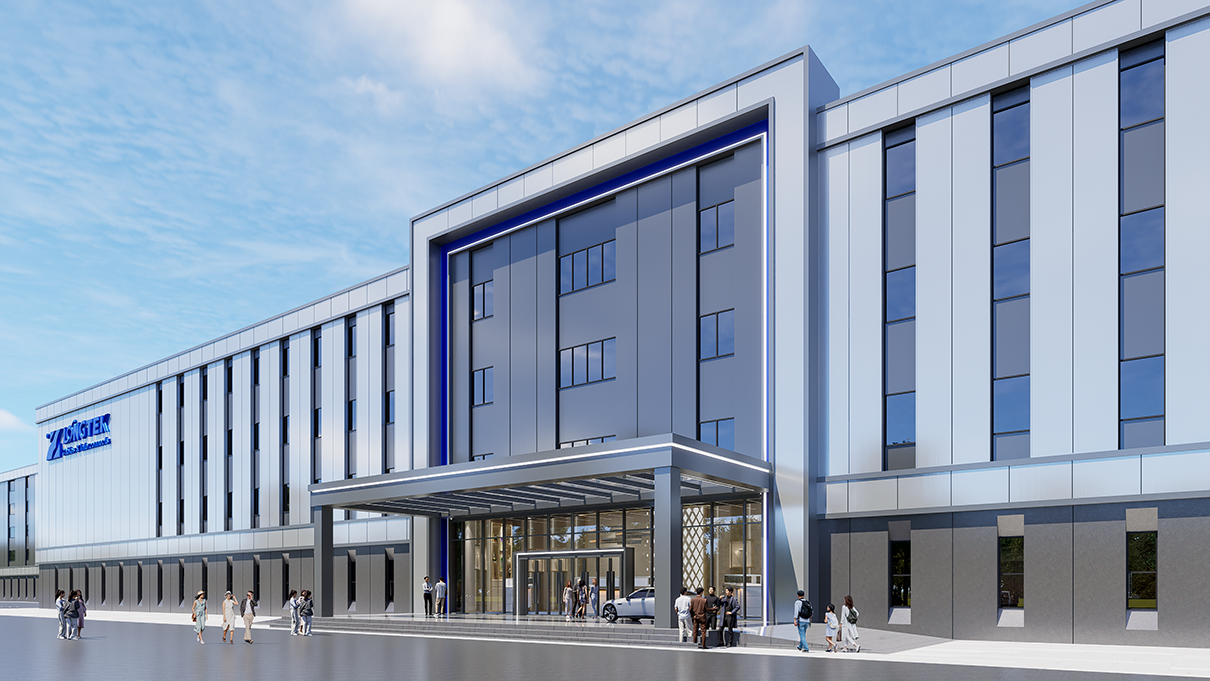
This company's overseas path is highly representative.
In April 2023, Zhaolong announced a $30 million investment to build a production base in Thailand. In August 2026, the company confirmed on an investor platform: construction is underway, with gradual commissioning expected by H2 2027; leased facilities are already operational.
Why would a data cable company make heavy asset investments in Thailand?
On the surface, it's following customers overseas—data center and 5G infrastructure orders require localized supply. But the deeper reason: data cables are "trust-intensive" products.
When customers purchase data cables, they're not just buying a wire—they're buying a promise that "signal transmission won't fail." When Zhaolong's overseas customers—especially European and American clients—walk into the Thailand factory for an audit, they see not just production lines but the company's "credibility certificate of quality."
When serving clients like Zhaolong, DACH Innovation's spatial design core is not "fitting production lines in" but translating the professionalism of a "national standard drafting unit" into spatial language—from visit routes to visualization of testing laboratories, from standardized employee operations to real-time quality data displays—enabling every visitor to conclude within 30 minutes that "this company's quality management is serious."
III. Feiwo's Vietnam Lesson: Factory Space Is Not a "Cost Item" but a "Trust Investment"
Compared to Zhaolong's steady progress, Feiwo Technology's Vietnam journey offers more cautionary lessons.
Feiwo Technology, a leader in high-strength wind power fasteners, reported H1 2026 revenue of 1.327 billion yuan, up 13.9%. But net profit was only 5.96 million yuan, down 81.11%.
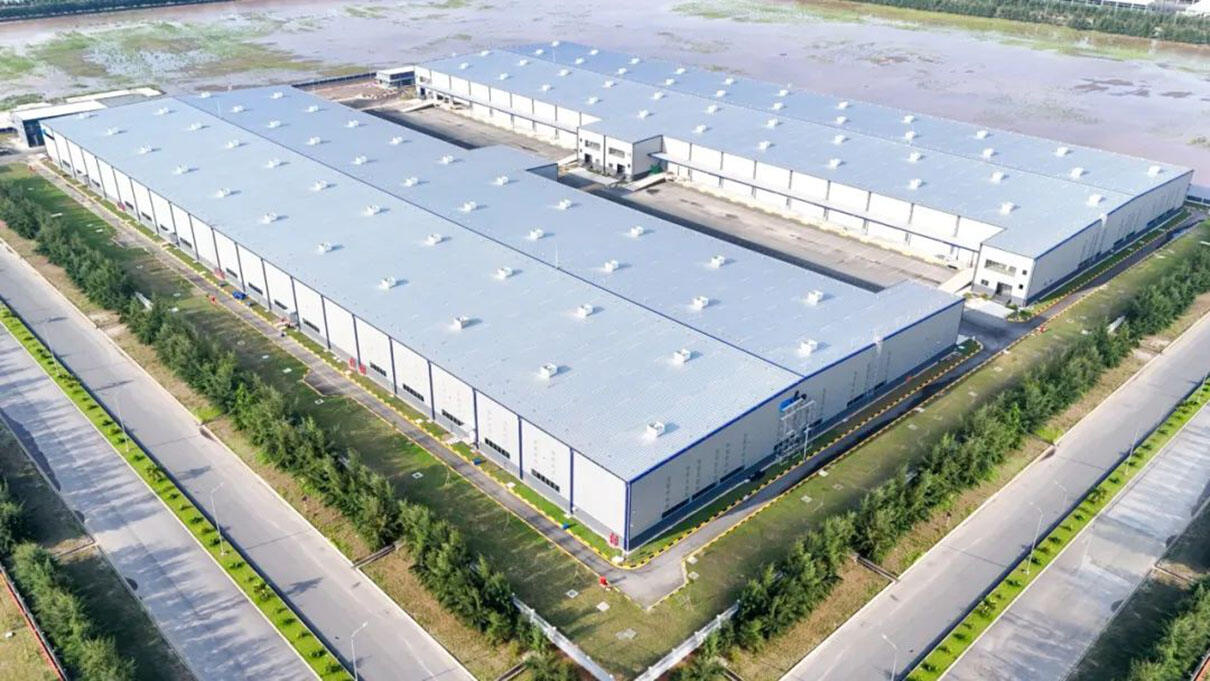
One reason cited in the financial report: The Vietnam factory is in customer certification and trial production phase, temporarily operating at a loss.
Fasteners are "safety components" in the wind power industry—a single bolt failure can cause an entire wind turbine to collapse. Therefore, global wind power customers have extremely stringent audit standards for suppliers. Feiwo's Vietnam factory requires lengthy customer certification before entering mass supply.
What is this "certification period" essentially?
It's a trust-building period. And the speed of trust-building is directly related to the professionalism of factory space.
DACH Innovation founder Zhang Chi has personally attended the Hannover Messe for ten consecutive years, visiting factories of German hidden champions like Festo and Phoenix Contact. He says: "In Germany, customer audits are not 'inspections'—they are 'experiences.' The design quality of factory space directly determines customers' judgment of a company's management capability. If a factory looks like a 'temporary warehouse,' customers will suspect your quality control is also 'temporary level.'"
If Feiwo's Vietnam factory had been designed to "benchmark factory" standards from the start—not luxurious, but professional, orderly, and visualized—the customer certification period might have been shortened, and the window of "temporary losses" might have been narrowed.
Factory space is not a cost item for going overseas; it is a trust investment item. Many entrepreneurs haven't yet calculated this account.
IV. Rainbow Agro's Global Map: The "Spatial Standardization" Capability Behind 10 Manufacturing Bases
Now a more mature example—Rainbow Agro.
This crop protection company operates in 100+ countries globally, with 140+ overseas subsidiaries and 10 manufacturing bases. As early as 2015, Rainbow acquired a controlling stake in Argentina's Green Crop, importing formulation R&D, production management, and quality control systems into South America.
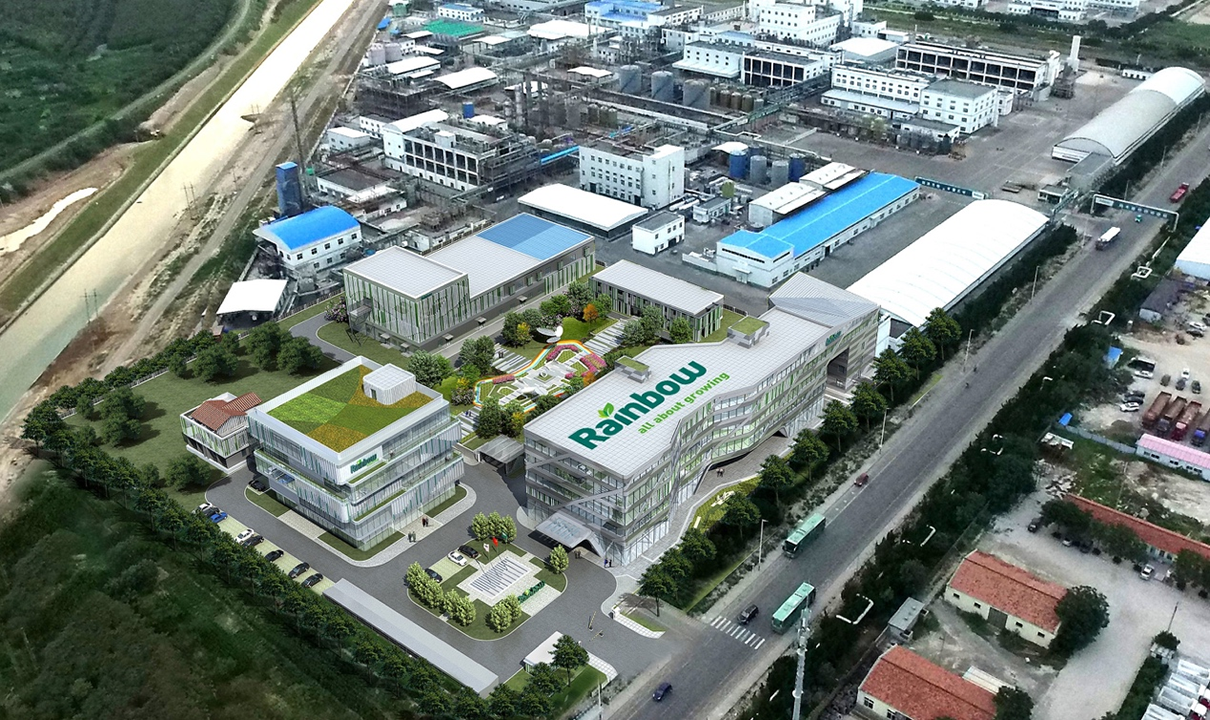

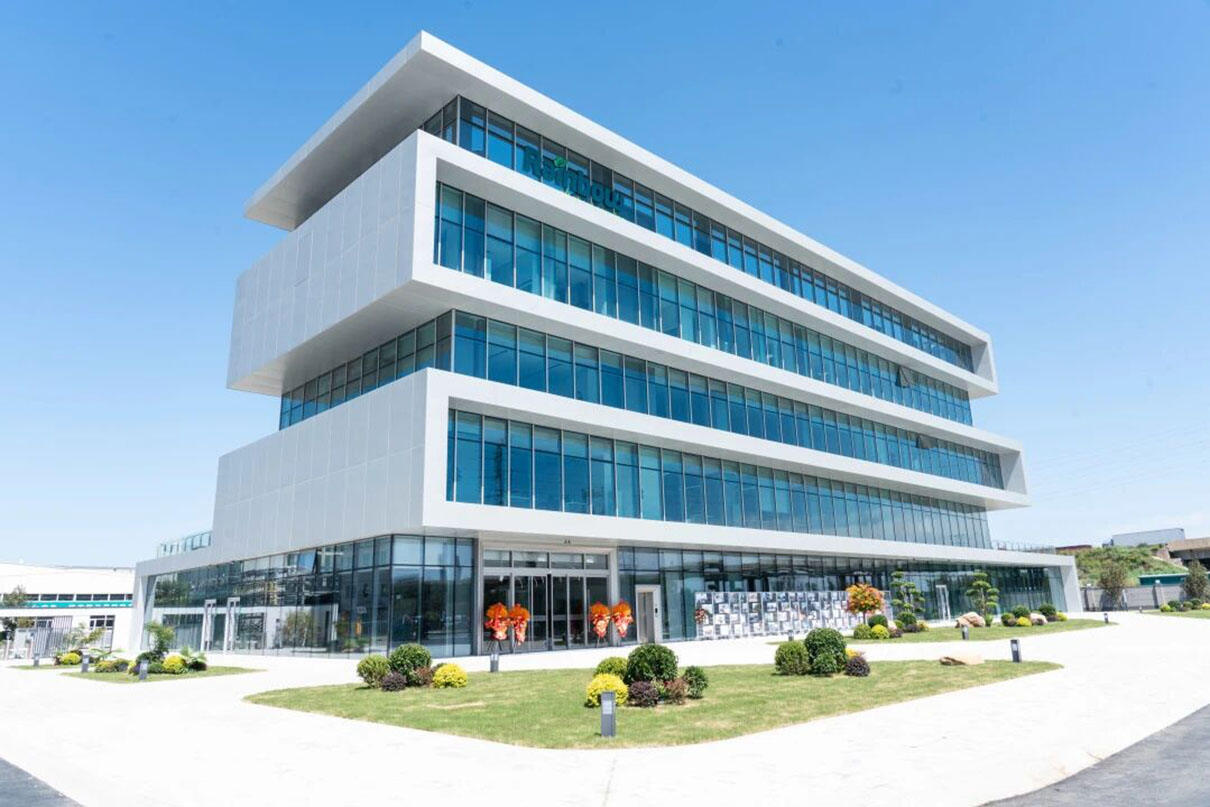
A key capability behind Rainbow's globalization success is "spatial standardization"—whether factories are built in Argentina, Thailand, or China, spatial standards, management standards, and quality standards are unified.
This is exactly the value of DACH Innovation's 89.4% standardization rate and 11-step standard process. Across 96 cumulative projects, DACH discovered: what overseas companies need most is not "building a different factory in each country" but "replicating China's benchmark factory standards globally."
DACH Innovation's 11-step standardized process—from preliminary materials, reference cases, CAD construction drawings, and SU 3D models, to meeting minutes, drawings, texts, phased deliverables, post-construction coordination, D5 rendering files, and interior design—ensures consistent delivery standards whether projects are in Shanghai, Qingdao, Los Angeles, or Frankfurt.
In 2024, DACH Innovation's business volume grew 533% year-over-year; in 2025, it grew another 142%. Behind these numbers is the urgent demand for "spatial standardization" capability in the wave of Chinese manufacturing globalization.
V. The "Spatial Formula" of the Globalization Era: Factory as Business Card
From 5 overseas projects (Thailand, Vietnam, Kenya, etc.), DACH Innovation has summarized an "overseas spatial formula":
The core logic: Overseas, your factory is the "national business card" of Chinese enterprises. When overseas stakeholders lack prior knowledge of Chinese companies, factory space is the most intuitive and unfalsifiable trust credential.
VI. Closing: From "Product Globalization" to "Space Globalization"
Chinese manufacturing globalization is experiencing three stages:
1.Product globalization—selling goods
2.Capacity globalization—building factories
3.Space globalization—establishing standards, brands, and trust
Zhaolong's Thailand base, Feiwo's Vietnam factory, and Rainbow's global map all prove: The third stage has arrived.
DACH Innovation founder Zhang Chi often says: "The factory is your biggest billboard." For overseas companies, this billboard stands abroad, facing customers, governments, employees, and communities worldwide.
Spatial standards are trust standards. In the globalization era, this is no longer a metaphor but a law of survival.
FAQ
Q1: Why is factory space the "trust infrastructure" for overseas companies?
Overseas, customers, governments, and employees lack prior knowledge of Chinese enterprises. The factory is their first scene of contact. A professional, orderly, visualized benchmark factory can build trust quickly, shorten customer certification cycles, improve government approval efficiency, and reduce talent turnover. Conversely, a "temporary warehouse-style" factory makes all stakeholders doubt the company's long-term commitment.
Q2: What are the most common mistakes in spatial design when building factories overseas?
The most common mistake is "emphasizing capacity, neglecting space"—devoting 90% of energy to equipment relocation and production line installation, leaving only 10% for spatial design. The result is a factory that functions but lacks trust functionality. Another mistake is "copying domestic templates" without adapting to local culture, regulations, and audit standards. DACH Innovation found in 5 overseas projects that successful overseas factories require a "global standards + local adaptation" spatial strategy.
Q3: How does DACH Innovation help overseas companies with factory spatial design?
Through an interdisciplinary team (architecture + intelligent manufacturing + industrial design + branding) and an 11-step standardized process (89.4% standardization rate), DACH Innovation provides overseas companies with full-chain services from site selection consulting, spatial planning, and brand visualization to post-construction operations. Services cover 96 manufacturing projects, including 5 overseas projects (Thailand, Vietnam, Kenya, etc.), with international service capabilities in Frankfurt, Germany and Los Angeles, USA.