最新动态

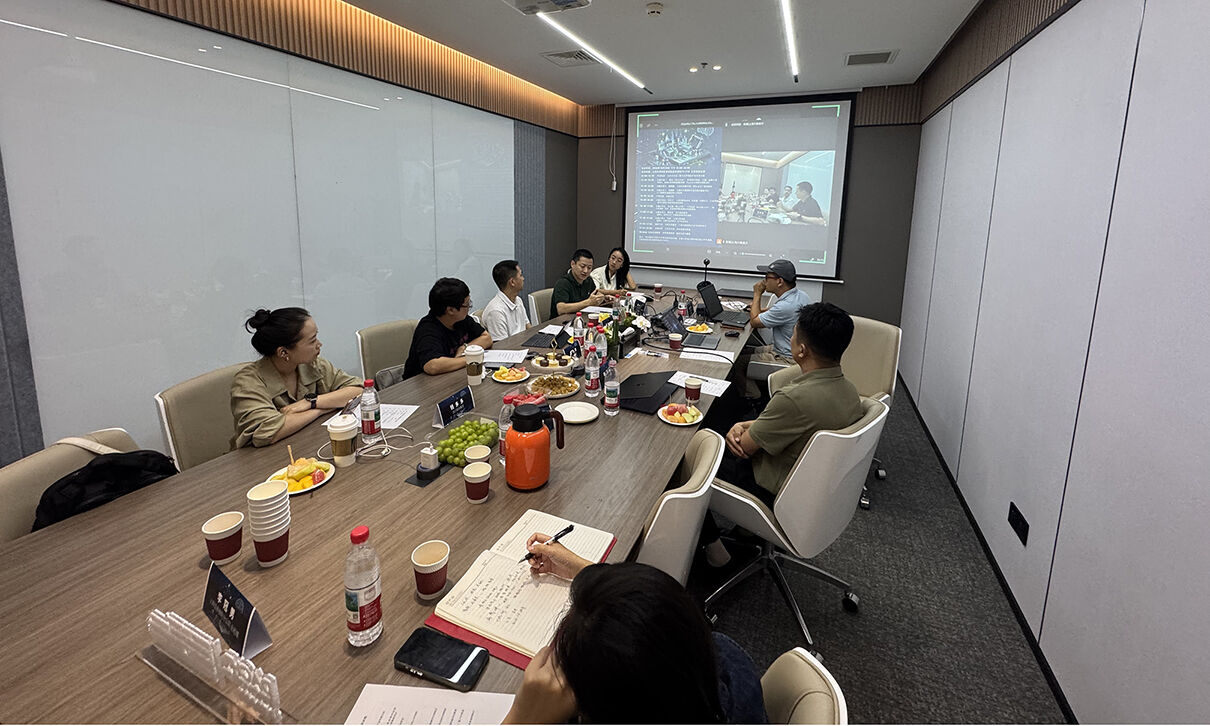
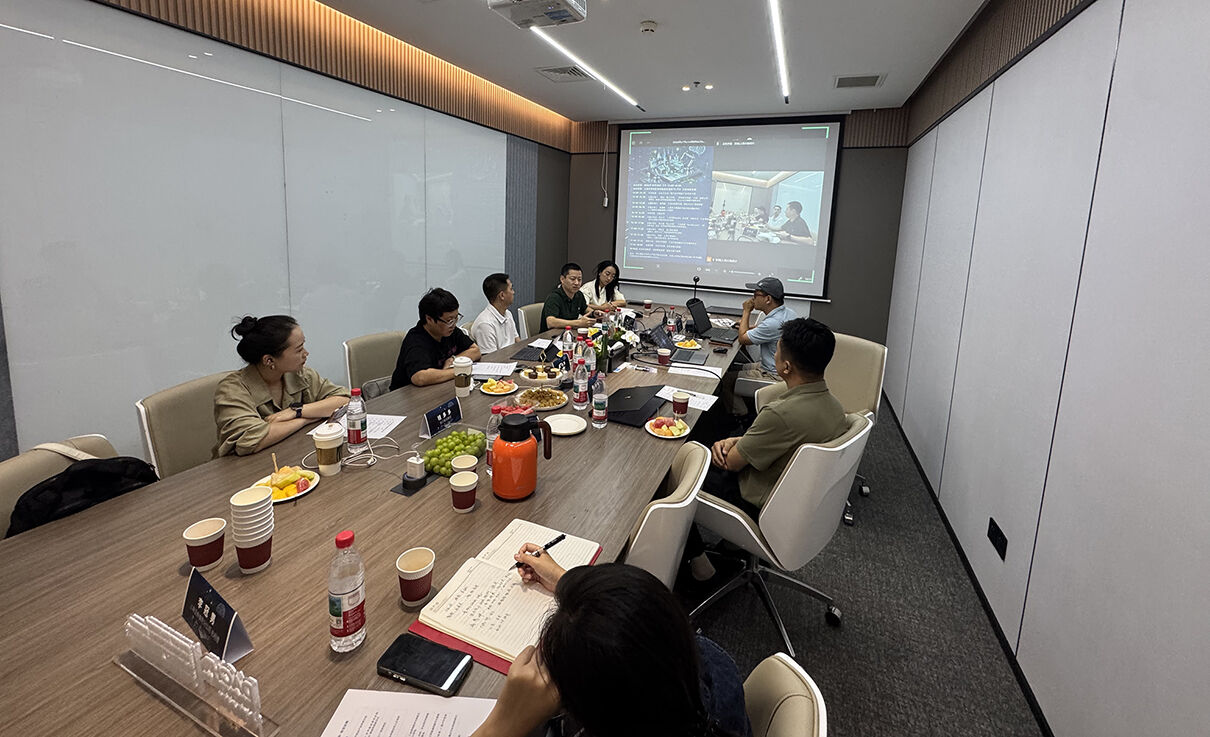
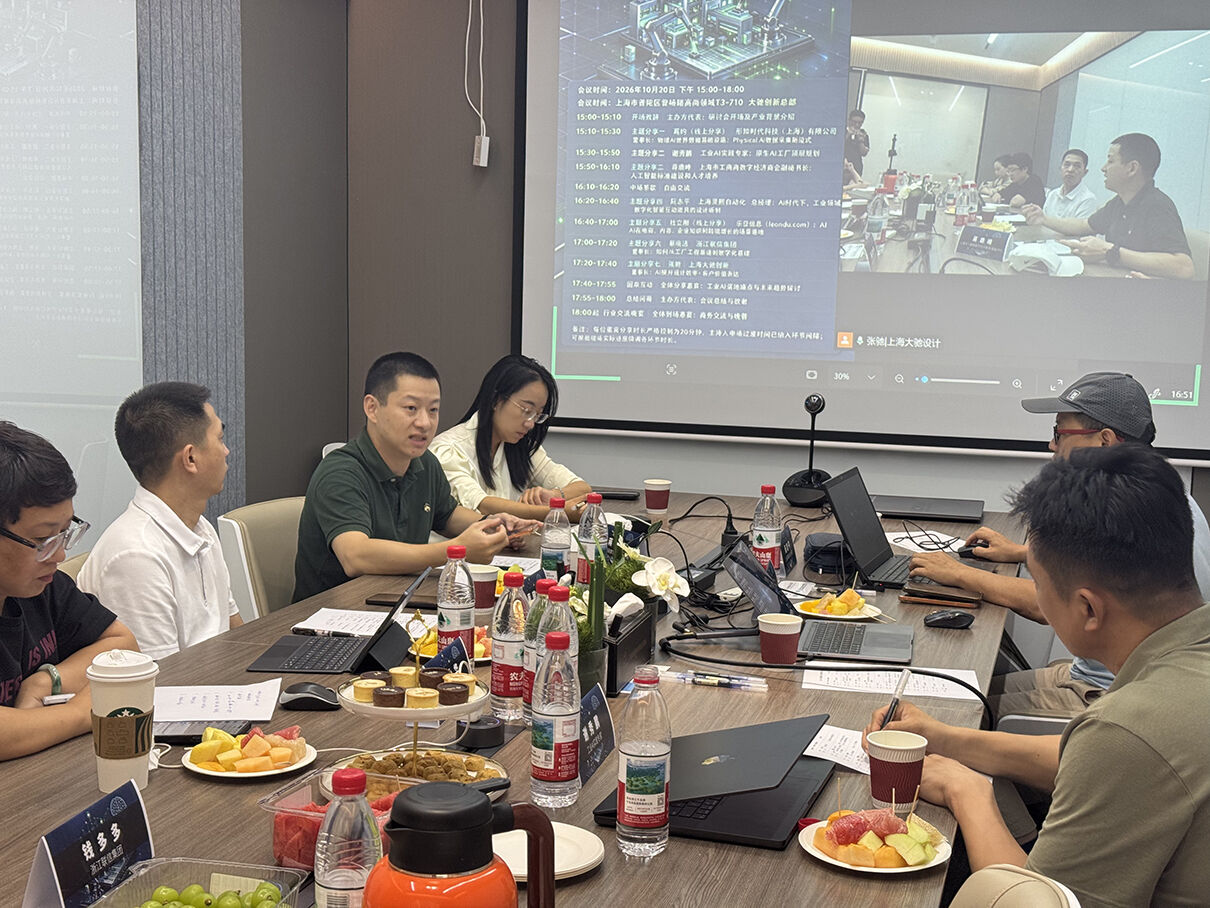
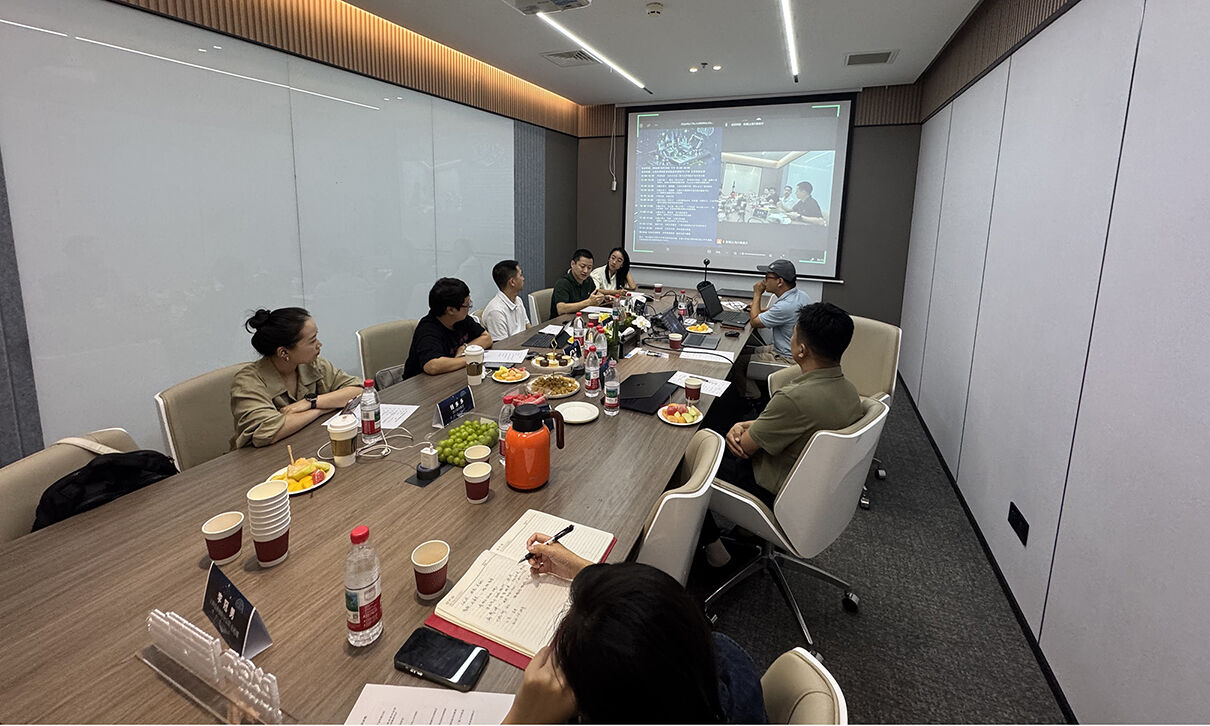
导语: 2026 年 10 月 20 日,上海。一场由大驰创新发起的工业 AI 与智能制造闭门研讨会,把投资人、券商分析师、政府产业部门、律所合伙人、制造企业负责人,以及正在定义 "物理世界数据" 的创业者,放在了同一张桌子上。没有舞台灯光与宏大叙事,四个多小时的高密度讨论,最终汇成几个朴素却意味深长的判断:具身智能的 "卖铲人" 已经出海收款,制造业 AI 正从补贴驱动转向 ROI 驱动,ERP 的范式正在被重写,数据合规悄悄成为上市的门槛,而出海这件事,已经进入 "为 AI 重新造基础设施" 的时代。
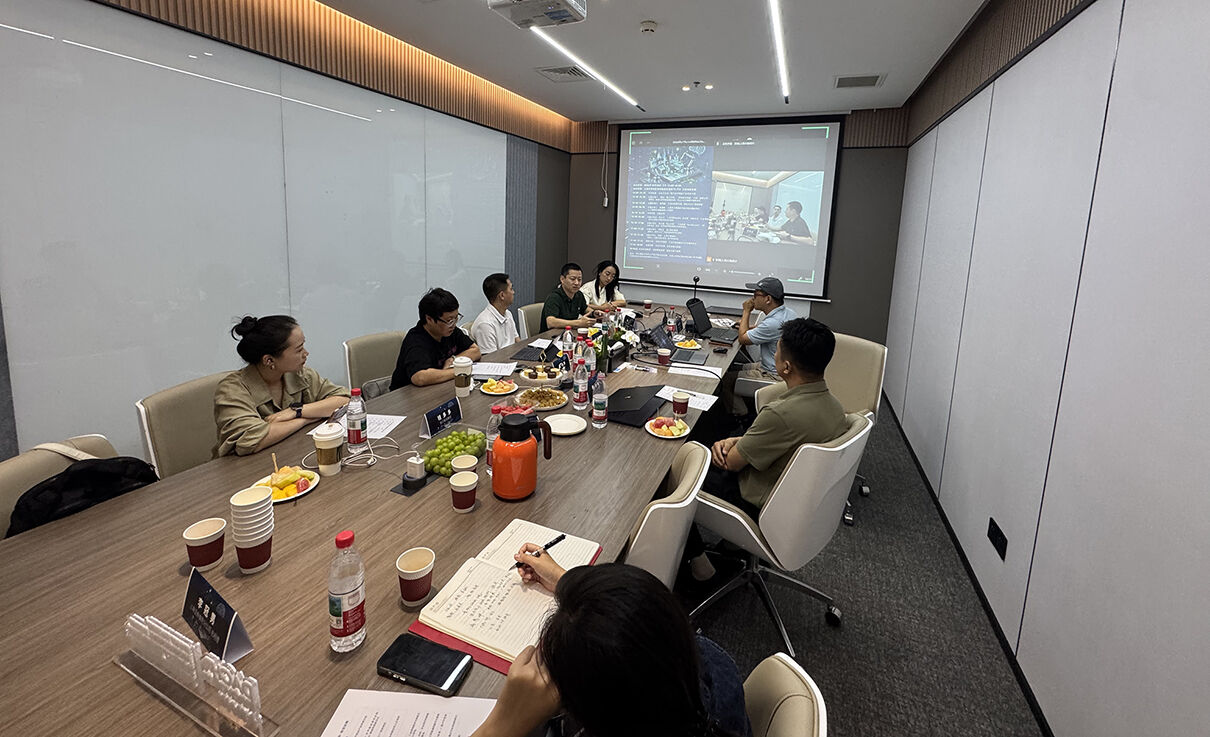
一、为什么是这场会:把五个赛道放进一张桌子
大驰创新在行业里并非陌生的名字。作为中国制造业一体化的服务商,它的业务覆盖从策划、工艺、规划到建筑的全链条,专注打造标杆工厂;其负责人张驰同时是杭州智能制造协会特评专家,深度参与过浙江未来工厂计划的制定。这样的人脉与产业纵深,决定了这场闭门会不是一场泛泛的行业论坛 —— 议题清单几乎就是当下工业 AI 的完整切片:Physical AI、工业 AI 落地、AI 原生工厂、数据标准与合规、出海本地化。
会上的判断也带着地域的清醒。在对比杭州时,多位嘉宾认为上海在金融、人才、国际化配套上的优势更加突出,未来产业红利将持续释放;而浙江作为国内智能制造补贴最激进的省份,相关的工业自动化、智能制造类补贴将逐步退出,企业落地项目必须更加务实。一进一出之间,产业逻辑的切换已经非常明显。
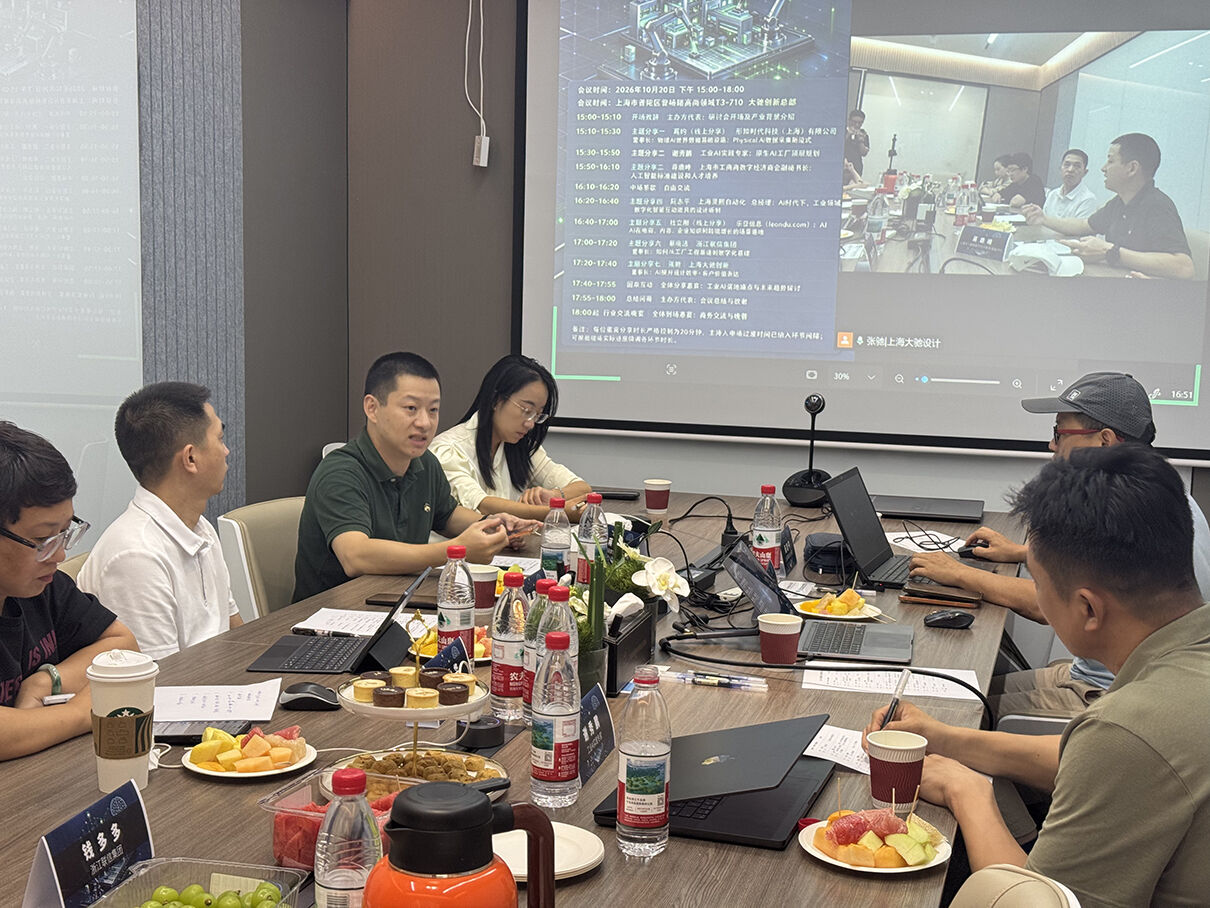
二、信号一:具身智能的 "卖铲人" 已经出海收款
第一个让投资人坐直身子的信号,来自行知时代。
这家公司做的是具身智能的训练数据工具链 ——Ego 相机、灵巧手套、头环一体机等采集设备。它的核心壁垒是 "硬件级的多模态时间对齐":视觉、位姿、听觉三个模态,时间戳对齐精度控制在 0.5 毫秒以内,而国内同行的平均水平在 5 到 15 毫秒,相差约 10 倍。正是这个精度,让它拿到了向 Meta、Google AI 批量交付数千套采集设备的订单,跻身全球具身数据采集设备的第一梯队。
更值得注意的是它的商业模式。海外数据按小时计价,2 至 3 周的数据可以卖到 2 万到 3 万美金一小时级 —— 数据质量用自研的 MEGQ 公式度量(模态丰富度、场景稀缺性、泛化能力),相当于为 "物理世界数据" 建立了定价的度量衡。B 端向数据服务商和具身智能公司铺设硬件工具链与软件管线、收取授权费,C 端则展望未来个性化技能包在公用数据平台上的交易。10 月发布的异构一体机集成了电池热插拔与控制器,产品矩阵正在向更轻便、无人化、智能化演进,规划 2028 年上半年完成全链路数据底座搭建。
它的卡位逻辑类似 "具身版的 Scale AI":不赌某一条本体技术路线,而是押注所有路线都要用到的数据底座、管线与协议。投资含义很清楚 —— 这是具身智能赛道里最稳的 "卖铲人",比单一本体公司更能扛住技术路线的切换。
三、信号二:补贴退潮,制造业 AI 进入 "务实期"
张驰在会上的一个判断被反复引用:最激进的浙江,机器换人、智能制造的真金白银补贴,明年起将大幅退坡。这意味着一个时代正在收尾 —— 企业上 AI 的理由,不再是为了拿补贴,而是为了决策实时化、业财一体化、柔性排产、订单与供应链秒级对齐。

这是一次残酷却健康的筛选。过去十年,部分企业把 "智能制造" 做成了一场申报材料的游戏;补贴退场后,AI 必须自己证明投入产出比。会上的共识是:未来真正值钱的,不是卖硬件的,而是能帮制造业 "省人、快决策、ROI 可计量" 的工业 AI 软件、咨询与集成商。他们卖的不是概念,是决策速度与人力成本。
四、信号三:AI 原生工厂正在重写 ERP 范式
原化妆品制造企业 CIO 谢秀鹏的分享,把讨论推向了更深的地方。
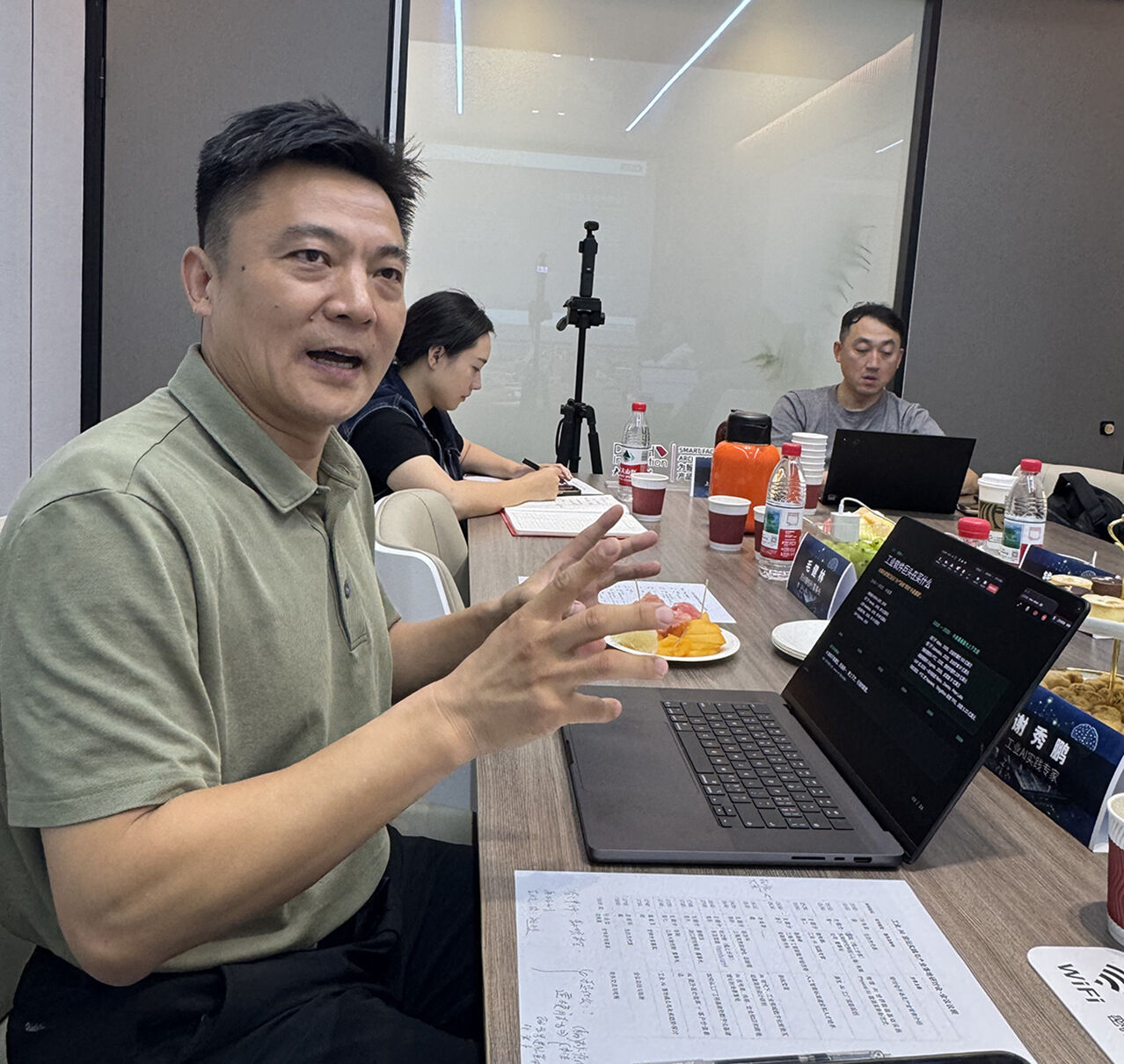
他先给传统信息化算了笔账:过往企业的数字化建设普遍是烟囱式系统,跨部门拉通困难,数据滞后,问题总是事后才发现,投入产出比低。更关键的是人的问题 —— 传统数字化团队的思维模式已不适配 AI 时代,从业者需要同时清空旧知识体系、保留足够的行业认知高度。
AI 原生企业的核心不是流程,而是决策。它的特征是:实时感知业务、自动迭代决策并执行,而不是被僵化的流程系统绑定。落地的双底座架构是 "工业端数字主线(BOM/PLM)+ 经营端企业本体",打通全链路数据,实现全流程实时联动。传统 ERP 是 "记录系统",AI 原生是 "决策 + 执行系统"—— 动态规则可以迭代、可以版本回溯,年、月、周、天的数据随时拉起对齐,串行沟通的壁垒被直接打破。
路径上,他明确反对大而全的三年项目。正确的做法是先做业务建模、找到轻量级的价值流切片,快速验证 AI 原生架构的价值,再吃进 IT 系统,最后上 Agent;这同时是一把手工程,推动岗位、流程、经营管理模式全面适配。制造业的特殊优势在于天然拥有 BOM、工艺、产线这些结构化对象,反而比纯互联网公司更容易先跑通 "对象驱动"。
对投资人的启示也异常清晰:值得看的是可组装业务包、数字主线、制造大模型和垂直行业 Agent;要警惕的是烟囱式 MES/ERP 的二开、只做 RAG 问答的浅层应用、以及主数据治理的旧式咨询。
五、信号四:数据合规与标准,成为 AI 制造业的隐形门槛
工商联数字经济商会的蒋鼎峰,带来了另一个维度的信息:他们正联动企业参与国家与行业标准制定、承接国家级产业课题,开展首席数据官、人工智能安全工程师等人才培养,同时推进可信数据空间与产业数据枢纽建设,打通数据交易、资产入表的全链路服务。律所合伙人李胜男则从风险侧提醒:工厂物联网、跨境数据、个人信息的三重合规,已经是 IPO 专项核查的刚需。

一个值得玩味的细节是,行知时代主动选择不做 "国内到海外" 的数据跨境:国内采集的数据仅在国内流转,海外单独搭建贸易公司与数据中心,数据在海外直接交易。这既是合规风控的主动设计,也侧面印证了数据合规的复杂度。
投资含义随之而来:一家公司 "有数据但没合规架构",估值应当打折;而做标准、合规审计、数据确权的工具型公司,正吃到政策红利。合规不再是成本项,而是 AI 制造业的入场券。
六、信号五:出海不是建站,是为 AI 重新做基础设施
出海板块的分享,几乎是全场最 "反常识" 的部分。从业多年的 Leon(乐豆)给出了一组数据:全球互联网访问流量中,机器人的占比已经超过人类 ——Cloudflare 的统计是 Bot 流量 61.6% 对人类的 38.4%。Shopify 已经接入 ChatGPT,Muse、Grok 这类个人 AI 助手已经开始在美区直接下单采购。同时,头部大模型厂商开始自建搜索引擎、过滤低质 AIGC 内容,传统批量铺 SEO 文章的模式已经失效。
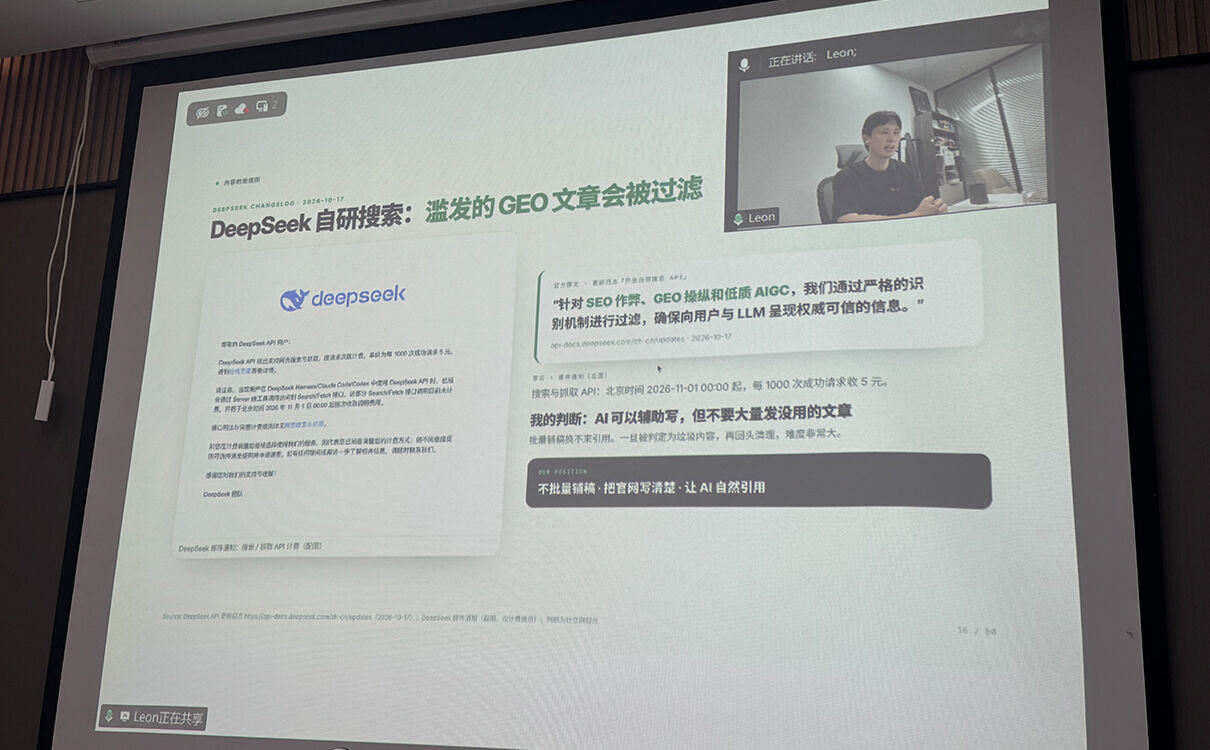
这意味着企业出海的底层逻辑变了。官网不再只是给 "人" 看的门面,更是给 "AI" 看的数据库:网站结构要适配 AI 抓取,要让海外采购智能体能够顺利访问、交互、询盘。未来的企业网站需要 "双界面"—— 同时面向人类浏览与 AI 智能体交互,通过 MCP 协议实现与采购智能体的直接业务对接,把官网从成本部门变成收入部门。
更务实的提醒是数字资产主权:域名等核心资产必须掌握在自己手里,SSL 证书、多语言支持、专业术语库要配齐,否则容易被 AI 判定为 "零经验、零交付"。而比拼参数与价格的打法也在失效 —— 建立个人 IP 与品牌故事、输出创始人的理念,制造 "活人感",才能拿到产品溢价。一句话总结:出海 SaaS 的下一波是 Agent Commerce 的基础设施,而不是铺 SEO 文章。
七、传统行业的 AI 落地样本:把 AI 当工具,不当主角
这场会没有停在宏大叙事,传统行业的样本同样扎实。深耕工业厂房设计施工一体化的联信设计,希望借助 AI 打通内部预算、设计与施工管理,提升服务制造业客户的综合竞争力。设计团队从早期的小模型图生图工具,迭代到全模态大模型辅助设计,方案产出效率大幅提升;还借助 AI 快速调研客户背景与行业标杆,从被动响应需求转向主动提供前瞻性设计建议 —— 甚至能用公开信息反推竞争对手的厂区布局,为业主输出定性定量的厂房设计建议。BIM 建模也在被 GPT V 这类模型辅助,设计师的角色正在向创造性思维与多专业整合转型。
市场团队的成果同样直接:AI 生成短视频口播、日常内容更新、海外多语言内容,营销人力成本大幅下降;官网长期稳定更新,在大模型中的权重持续提升,已经有大量业务线索直接来自大模型推荐。用 Kimi、Manus 等工具辅助生成原生 AI 网站,把专业能力转化为 AI 可读、可被全球推广的数字资产 —— 这是 AI 时代企业 "价值表达" 的重构。
一个反复出现的共识值得记住:AI 在工厂里、在展厅里、在营销里,都应该是可插拔、可关停的业务工具,而不是表演的主角。深耕工业互动展示 27 年、服务施耐德与西门子的团队印证了这一点:纯声光电的堆砌留不下印象,物理互动与实质内容才是品牌美誉度的来源。同时,欧系工业巨头正在分化 —— 施耐德、西门子通过收购软件公司走向 "软件定义自动化",ABB 则侧重硬件布局,两条路线将重塑行业话语权。
八、结语:从 "AI 概念" 到 "AI 生意"
把五个信号连起来,这场会真正传递的信息是:工业 AI 已经过了讲概念的阶段。具身智能的卖铲人已出海收款,制造业 AI 从补贴驱动转向 ROI 驱动,ERP 将被本体加 Agent 重写,数据合规成为上市门槛,出海进入 Personal AI 下单时代。而更远的图景里,未来可能出现完全由智能体自运营的纯 AI 原生组织,与之配套的社会规则、权益界定也需要提前思考。
对企业与投资人而言,值得下注的地方已经清晰:工具链、数字主线、合规体系、AI 原生工厂 —— 而不是单点的聊天机器人。AI 时代,企业既要经营物理世界的口碑,也要经营 AI 世界里的 "口碑";谁能把专业能力变成 AI 可读、可验证、可下单的数字资产,谁就拿到了下一轮竞争的入场券。
Industrial AI Enters the Deep End: Five Key Signals from a Closed-Door Symposium
Lede. On October 20, 2026, in Shanghai, a closed-door symposium on industrial AI and intelligent manufacturing, convened by Dachi Innovation, brought investors, sell-side analysts, officials from government industrial departments, law firm partners, manufacturing executives, and entrepreneurs who are defining "the data layer of the physical world" to the same table. There were no stage lights and no grand narratives. What emerged from four and a half hours of high-density discussion, however, was a set of deceptively simple judgments with far-reaching implications: the pick-and-shovel sellers of embodied intelligence are already collecting revenue overseas; manufacturing AI is shifting from subsidy-driven adoption to ROI-driven adoption; the ERP paradigm is being rewritten; data compliance has quietly become a condition for going public; and going global now means rebuilding infrastructure for AI.
I. Why This Symposium Matters: Five Tracks at One Table
Dachi Innovation is no stranger to the industry. As an integrated service provider for Chinese manufacturing, it covers the full chain—from strategic planning and process design to facility engineering and construction—with a focus on building benchmark factories. Its principal, Zhang Chi, is also a specially appointed expert of the Hangzhou Intelligent Manufacturing Association and was deeply involved in drafting Zhejiang's Future Factory program. Such a network and industrial depth ensured this would be no generic industry forum. The agenda was, in effect, a complete cross-section of industrial AI today: Physical AI, industrial AI adoption, AI-native factories, data standards and compliance, and cross-border digital infrastructure.
The discussion carried a similarly clear-eyed regional perspective. Comparing Shanghai and Hangzhou, several speakers argued that Shanghai's advantages in finance, talent, and internationalization will continue to compound, and that its industrial dividend has yet to be fully released. Zhejiang, by contrast—historically the most aggressive province in subsidizing intelligent manufacturing—is winding down its industrial automation and smart manufacturing subsidy programs, and companies must now land projects on far more pragmatic terms. Between these two movements, the shift in industrial logic is unmistakable.
II. Signal One: Embodied AI's "Pick-and-Shovel" Sellers Are Already Collecting Revenue Overseas
The first signal that made investors sit up came from Xingshi Times (Xingzhi Shidai).
The company builds the toolchain for embodied intelligence training data—ego cameras, dexterous gloves, headset all-in-one devices, and more. Its core moat is hardware-level multimodal time alignment: visual, pose, and auditory modalities synchronized to within 0.5 milliseconds, roughly ten times ahead of the domestic average of 5–15 milliseconds. It is precisely this precision that earned it multi-thousand-unit orders from Meta and Google AI, placing it in the first tier of embodied data-acquisition equipment providers globally.
Its business model is equally notable. Overseas data is priced by the hour: two to three weeks of collected data can fetch USD 20,000–30,000 per hour of recording. Data quality is scored by its proprietary MEGQ framework—modality richness, scene scarcity, and generalization capability—effectively establishing a metrology standard for pricing physical-world data. On the B2B side, it licenses hardware toolchains and software pipelines to data service providers and embodied AI companies; on the B2C side, it envisions a future marketplace where personalized skill packages are traded on public data platforms. Its latest all-in-one device, released in October, integrates hot-swappable batteries and an onboard controller, and the product matrix is evolving toward lighter, unmanned, and more intelligent configurations, with a full-chain data infrastructure targeted for the first half of 2028.
Strategically, the company positions itself as "the embodied version of Scale AI": rather than betting on any single embodiment technology route, it owns the data infrastructure, pipelines, and protocols that every route will need. The investment takeaway is clear—this is the most defensible pick-and-shovel position in the embodied intelligence race, far more resilient to technology-route shifts than any single robot maker.
III. Signal Two: Subsidies Are Receding—Manufacturing AI Enters the Pragmatic Era
One of the most frequently cited observations came from Zhang Chi: in Zhejiang, the most aggressive subsidy province, real-money support for machine-for-worker replacement and intelligent manufacturing will drop sharply starting next year. An era is coming to an end—companies no longer adopt AI to claim subsidies, but to achieve real-time decision-making, integrated operations and finance, flexible production scheduling, and second-level alignment between orders and supply chains.

This is a brutal yet healthy filter. Over the past decade, some companies treated "intelligent manufacturing" as a game of filing subsidy applications. With subsidies gone, AI must prove its own return on investment. The consensus at the symposium: what will truly be valuable going forward is not hardware sellers, but the industrial AI software, consulting, and systems integrators that help manufacturers cut labor costs, accelerate decisions, and make ROI measurable. They sell decision speed and labor savings, not concepts.
IV. Signal Three: AI-Native Factories Are Rewriting the ERP Paradigm
Xie Xiupeng, a former CIO in cosmetics manufacturing, pushed the discussion deeper.
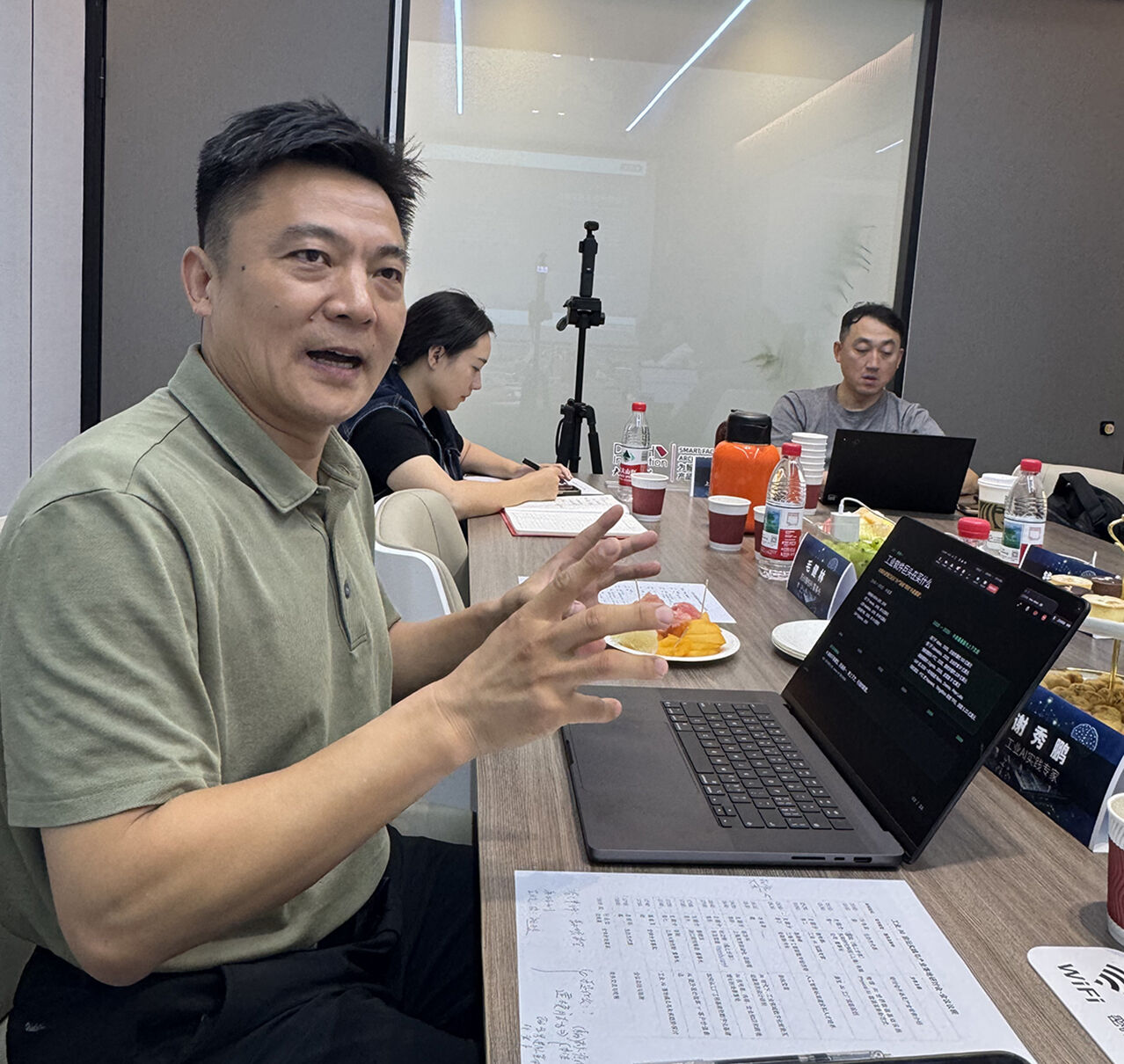
He first tallied the cost of conventional informatization: legacy systems built as silos, cross-department data integration that barely works, decisions made on lagging information, and problems discovered only after the fact—all at a poor return on investment. The deeper problem is human: the mindset of traditional digitalization teams no longer fits the AI era. Practitioners must simultaneously unlearn old knowledge systems and retain sufficient industrial insight.
The defining feature of an AI-native enterprise is not process but decision. It perceives business conditions in real time, iterates decisions autonomously, and executes—rather than being bound by rigid process systems. The enabling architecture rests on two foundations: a digital thread on the industrial side (BOM/PLM) and an enterprise ontology on the operational side, with full-chain data connectivity enabling real-time synchronization across the entire value flow. Traditional ERP is a "system of record"; the AI-native stack is a "system of decision and execution." Rules can be iterated dynamically and versioned, and data across annual, monthly, weekly, and daily cycles can be pulled up and reconciled on demand—breaking the serial-communication bottleneck altogether.
On sequencing, Xie was explicit in rejecting the big-bang, three-year consulting project. The correct path is to begin with business modeling, identify a lightweight value-stream use case, and validate the AI-native architecture quickly—then absorb the IT estate, and finally deploy agents. This is also a CEO-led initiative, requiring the redesign of roles, processes, and management models across the enterprise. Manufacturing holds a structural advantage here: possessing BOMs, process data, and production lines, it can run "object-driven" transformations far more readily than pure internet companies.
The implications for investors are unusually clear: the opportunities lie in composable business packages, digital threads, manufacturing foundation models, and vertical-industry agents; the traps are siloed MES/ERP secondary development, shallow RAG-based Q&A applications, and old-school master-data-governance consulting.
V. Signal Four: Data Compliance and Standards Are the Hidden Threshold
Jiang Dingfeng, of the Digital Economy Chamber of Commerce under the All-China Federation of Industry and Commerce, brought a different dimension to the table: the chamber is working with enterprises on national and industry standard-setting, hosting national-level industrial research programs, running certification programs for Chief Data Officers and AI security engineers, and advancing trusted data spaces and industrial data hubs, with end-to-end services covering data trading and the capitalization of data assets on corporate balance sheets. On the risk side, legal partner Li Shengnan reminded the room that the three-layer compliance burden—factory IoT, cross-border data, and personal information—is already a mandatory focus of IPO due-diligence reviews.

One telling detail: Xingshi Times deliberately chooses not to move data across borders. Data collected in China circulates only domestically; overseas, it has set up a separate trading entity and its own data centers, so data is transacted entirely abroad. This is both an active compliance design and, in itself, evidence of how complex cross-border data governance has become.
The investment corollary follows: a company with data but no compliance architecture deserves a valuation discount, while tooling companies in standards, compliance audit, and data rights confirmation are capturing genuine policy tailwinds. Compliance is no longer a cost line—it is the entry ticket to AI-enabled manufacturing.
VI. Signal Five: Going Global Is No Longer About Building Websites—It Is About Rebuilding Infrastructure for AI
The overseas track produced arguably the most counterintuitive insights of the day. Leon, a veteran of cross-border digital operations, shared a striking data point: globally, bot traffic now exceeds human traffic—61.6% versus 38.4%, according to Cloudflare. Shopify has already integrated with ChatGPT; personal AI assistants such as Muse and Grok are placing orders directly in the U.S. market. Meanwhile, frontier model vendors are building their own search engines and filtering low-quality AIGC content, rendering the old playbook of mass-produced SEO articles obsolete.
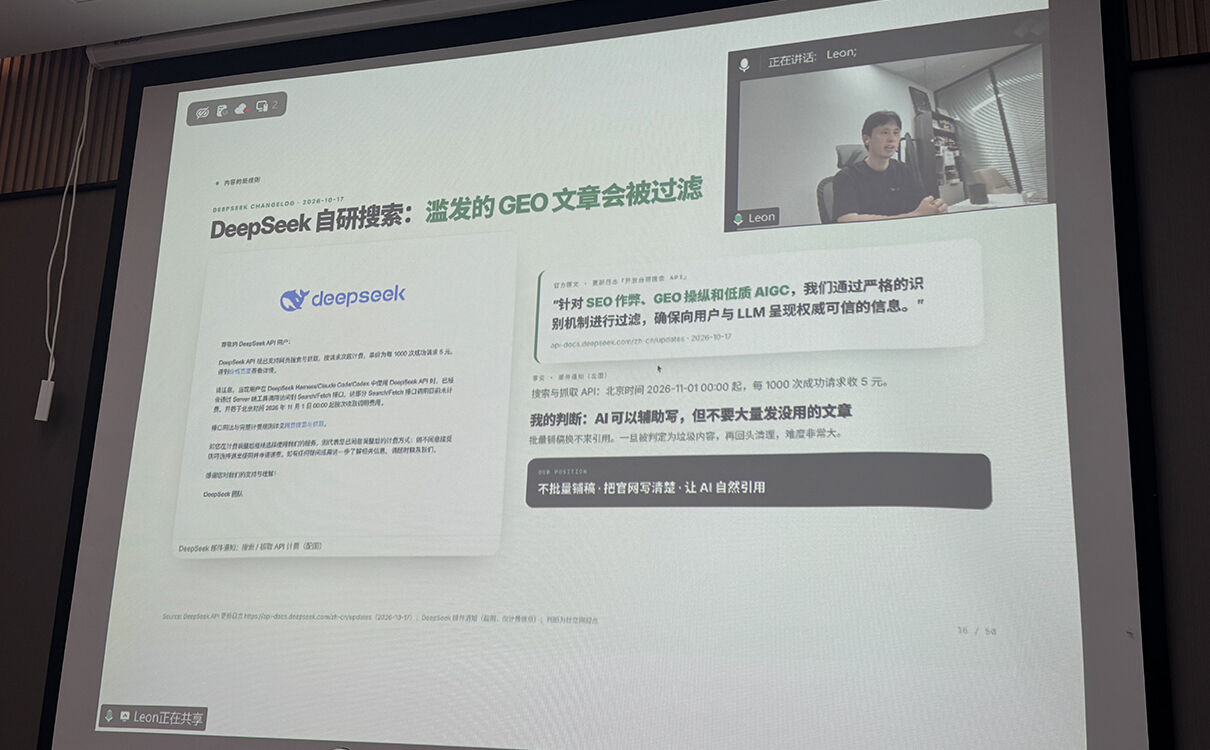
The implication is that the underlying logic of going global has changed. A corporate website is no longer merely a storefront for humans—it is a database for AI. Site architecture must be optimized for AI crawling, so that overseas procurement agents can access, interact with, and place inquiries without friction. The future enterprise website needs a "dual interface": one for human browsing and one for AI-agent interaction, connected via the Model Context Protocol (MCP) to enable direct business engagement with procurement agents—turning the website from a cost center into a revenue center.
The more practical reminders concern digital asset sovereignty. Core assets such as domain names must remain in the company's own hands; SSL certificates, multilingual support, and professional terminology repositories must be in place, or the company risks being judged by AI as "zero experience, zero delivery." And the old game of competing on specs and price is also losing its edge: building personal IP and brand narrative, telling the founder's story, and projecting a human presence are what command price premiums today. In one sentence: the next wave of cross-border SaaS is agent-commerce infrastructure, not SEO article farms.
VII. Traditional Industries in Practice: AI as a Tool, Not a Centerpiece
The symposium did not stop at grand narratives; the traditional-industry cases were equally concrete. Lianxin Design, a company specialized in integrated industrial-facility design and construction, is using AI to connect internal budgeting, design, and construction management, sharpening its competitiveness in serving manufacturing clients. Its design team has evolved from early small-model image-to-image tools to full-modal foundation models that dramatically accelerate early-stage scheme development. AI also enables rapid research into client backgrounds and industry benchmarks, shifting the team from reactive responsiveness to proactive, forward-looking design recommendations—even reverse-engineering competitors' plant layouts from public information to deliver both qualitative and quantitative facility-design advice to clients. BIM modeling is being assisted by vision-language models, pushing designers toward creative thinking and multidisciplinary integration.
The marketing team's results are just as tangible: AI-generated short-video voiceovers, routine content updates, and multilingual overseas content have cut marketing labor costs dramatically, while consistently refreshed website content has raised the company's standing with major foundation models—a growing share of business leads now arrive directly from model recommendations. Tools such as Kimi and Manus are used to help clients build native AI-first websites, converting professional capability into globally discoverable, AI-readable digital assets. This is the reconstruction of corporate value expression in the AI era.
One recurring consensus is worth remembering: whether on the factory floor, in the showroom, or in marketing, AI should be a pluggable, shuttable-off business tool—not a performing centerpiece. A team with 27 years of experience building interactive exhibits and digital showrooms for Schneider and Siemens made the same point: pure sound-and-light effects leave no lasting impression; physical interactivity and substantive content are what build brand goodwill. Meanwhile, European industrial giants are diverging—Schneider and Siemens are moving toward software-defined automation through acquisitions, while ABB leans into hardware—and this divergence will reshape the industry's balance of power.
VIII. Conclusion: From "AI Concepts" to "AI Businesses"
Taken together, the five signals deliver one overarching message: industrial AI has moved past the conceptual stage. The pick-and-shovel sellers of embodied intelligence are already collecting revenue overseas; manufacturing AI has shifted from subsidy-driven to ROI-driven adoption; ERP is being rewritten by ontologies and agents; data compliance has become a condition for going public; and going global has entered the era of personal-AI purchasing. Looking further out, we may see fully autonomous AI-native organizations run by agents, which will in turn require new social rules and frameworks for rights and accountability to be designed in advance.
For enterprises and investors alike, the places to place bets are now clear: toolchains, digital threads, compliance infrastructure, and AI-native factories—not one-off chatbots. In the AI era, companies must cultivate their reputation in both the physical world and the AI-perceivable world. Those who can turn professional capability into AI-readable, verifiable, orderable digital assets will hold the ticket to the next round of competition.