最新动态

工厂空间正在成为一种新的"估值语言"——它不说话,但投资人、经销商和政府都在读。
2026年7月,浙江省经信厅公布年度未来工厂试点名单,绿源电动车赫然在列。同月,绿源宣布在泰国设立海外生产基地,加入中国两轮车制造商的出海浪潮。8月底,绿源发布半年报:海外营收同比增长38.6%,上半年销量再增约40%,业务版图扩至全球80多个国家。
三条新闻放在一起,藏着一条被忽略的暗线:绿源的工厂,正在从"产能容器"变成"品牌资产"。
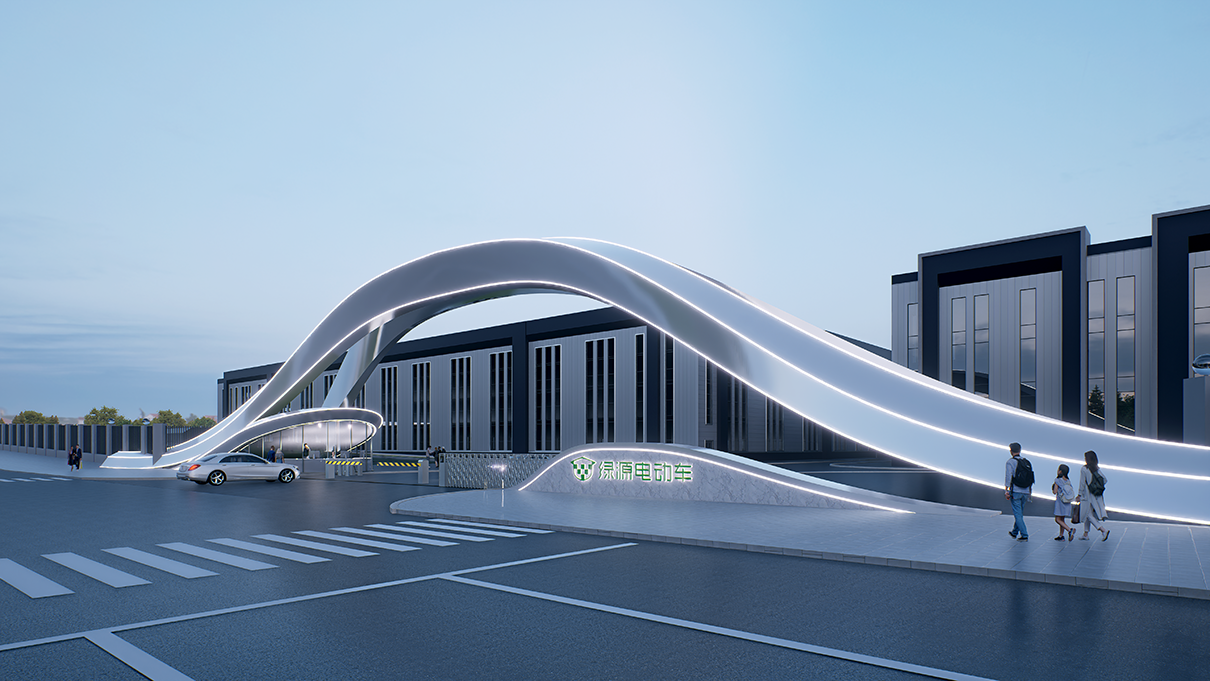
为什么说工厂是上市公司"最贵的沉默资产"?
绿源集团1997年成立于金华,是中国电动两轮车的创始品牌之一。近30年里,绿源积累了600多项专利,建起四大智造基地,全国门店超过15000家——"一部车骑10年"的品牌承诺深入人心。
但绿源真正让资本市场眼前一亮的,不是这些数字,而是它把工厂本身变成了产品。
2026年入选浙江省未来工厂试点,意味着绿源的生产基地不再只是"造车的车间",而是被政府认定为行业数字化转型的标杆样板。这个认定的含金量在于:它向投资人、经销商、海外合作伙伴传递了一个清晰信号——绿源的制造能力,是经过官方背书的。
大驰创新创始人张驰在浙江大学制造业数智化转型班的课堂上讲过一句话:"工厂就是你最大的广告牌。"这句话在绿源身上得到了验证——当一家企业的工厂被写入省级试点名单,它实际上获得了一张零成本的信任状。
出海时代,工厂空间成了"超级名片"
绿源宣布泰国建厂,不是一个孤立事件。
2026年上半年,中国电动两轮车行业迎来出海密集期:雅迪、爱玛的东南亚工厂集中投产,绿源跟进布局泰国。行业研报指出,东南亚电动两轮车市场正处于"政策与油价共振"的关键转折年。
但出海建厂,远不只是"把设备搬过去"那么简单。
大驰创新在服务96个制造业项目、其中5个海外项目的过程中,发现了一个规律:越是出海企业,越在乎工厂的空间标准。原因很直接——在海外,你的工厂就是客户、政府、员工认识中国企业的第一现场。空间标准,就是信任标准。
绿源的泰国工厂,面向的是东南亚市场全新的经销商网络、当地政府审查和海外人才招聘。一个具备未来工厂水准的空间,比任何PPT都更能证明"这家中国企业是认真的"。
从"未来工厂"到"具身智能":空间叙事的延展性
绿源2026年的另一个动作,值得所有制造业企业家关注——切入具身智能赛道。
绿源与有鹿AI合作开发商用巡扫机器人,从合作到量产仅历时247天,斩获10万套高精度减速模组与1万台整机的订单。绿源将自己沉淀多年的电驱、液冷、柔性智造能力"降维释放",切入全新赛道。
这背后是一个更深层的逻辑:当你的工厂足够先进,它就能承载超出原有业务的想象力。绿源的"未来工厂"不仅生产电动车,还生产"智造能力"本身——这种能力可以输出给机器人、输出给海外基地、输出给任何需要精密制造的新业务。
工厂空间的叙事延展性,决定了企业第二增长曲线的故事能不能讲圆。
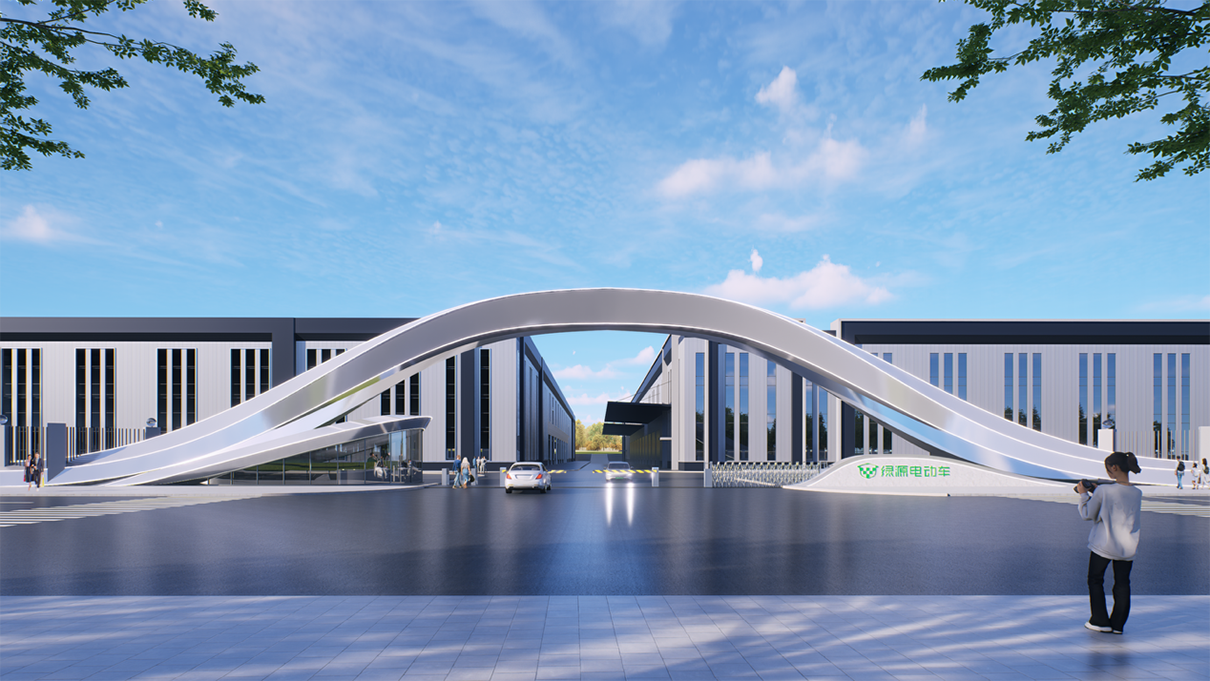
工厂营销的三个层次:绿源做对了什么?
拆解绿源的实践,工厂营销(Factory Marketing)可以分为三个层次:
第一层:被政府看见。 入选省级未来工厂试点,获得官方背书,这是最硬核的信用资产。
第二层:被客户看见。 15000家门店的经销商网络、海外市场的合作伙伴,通过工厂参访建立信心。一个"好看又好用"的标杆工厂,胜过一百页产品手册。
第三层:被资本看见。 未来工厂试点+泰国基地+具身智能订单,三条线索共同构成一个完整的估值叙事——绿源不只是在卖电动车,它在构建一个可复制的智能制造平台。
这三个层次,恰好对应大驰创新"工厂营销"理论的核心框架:工厂空间是企业战略的物理宣言。
写在最后
绿源的故事,是中国制造业转型升级的一个缩影。
从1997年的金华小厂,到2026年入选省级未来工厂试点、布局泰国基地、切入具身智能赛道——近30年的进化史告诉我们:制造业的竞争,最终会从产品层面上升到空间层面。当你的工厂足够好,它自己会说话。
大驰创新在过去三年里服务了96个制造业项目,其中5个海外项目,覆盖食品、化工、新能源、医疗器械等八大行业。2024年业务量同比增长533%,标准化率达到89.4%。我们发现一个越来越清晰的信号:越是优秀的企业家,越把工厂当成战略资产来经营,而不是当成成本中心来压缩。
绿源是这样,大驰服务的其他上市公司也是这样。
工厂即资产。这句话,正在成为中国制造业的新共识。
FAQ
Q1:什么是"工厂营销"(Factory Marketing)?
工厂营销是大驰创新提出的原创理论,核心观点是:工厂空间是企业最大的品牌触点,通过系统性的空间设计和品牌可视化,将工厂从"产能容器"升级为"品牌资产",让工厂自己成为最好的营销工具。绿源入选浙江省未来工厂试点,就是工厂营销的典型案例——官方背书本身就是一种零成本的信任状。
Q2:为什么说工厂空间能影响上市公司的市值表现?
工厂空间影响市值的逻辑链条是:空间标准 → 政府认可(如未来工厂试点)→ 客户信心增强 → 经销商和合作伙伴信任度提升 → 营收增长预期改善 → 估值逻辑优化。绿源的案例中,未来工厂试点、泰国建厂、具身智能订单三条线索共同构成了一个完整的估值叙事,让资本市场看到企业 beyond 现有业务的增长潜力。
Q3:出海企业为什么更需要重视工厂空间设计?
出海企业面临的核心挑战是信任建设——海外客户、政府、员工对中国企业缺乏直观认知,工厂是他们了解企业的第一现场。大驰创新在服务5个海外项目(泰国、越南、肯尼亚)过程中发现,海外项目的空间标准直接影响客户审厂通过率、政府审批效率和人才招聘质量。一个具备国际水准的标杆工厂,是中国企业出海最直观的"超级名片"。
From Jinhua to Thailand: How Luyuan Turned Its Factory into the Best Prospectus
Factory space is becoming a new language of valuation — it doesn't speak, but investors, dealers, and governments are all reading it.
In July 2026, Zhejiang Province's Department of Economy and Information Technology released its annual "Future Factory" pilot list, and Luyuan Electric Vehicle was prominently on it. The same month, Luyuan announced a new manufacturing base in Thailand, joining the wave of Chinese two-wheeler makers expanding overseas. By late August, Luyuan's half-year report revealed: overseas revenue up 38.6% year-on-year, sales volume up approximately 40%, and a business footprint now spanning more than 80 countries.
Three news items, one hidden thread: Luyuan's factories are transforming from "capacity containers" into "brand assets."
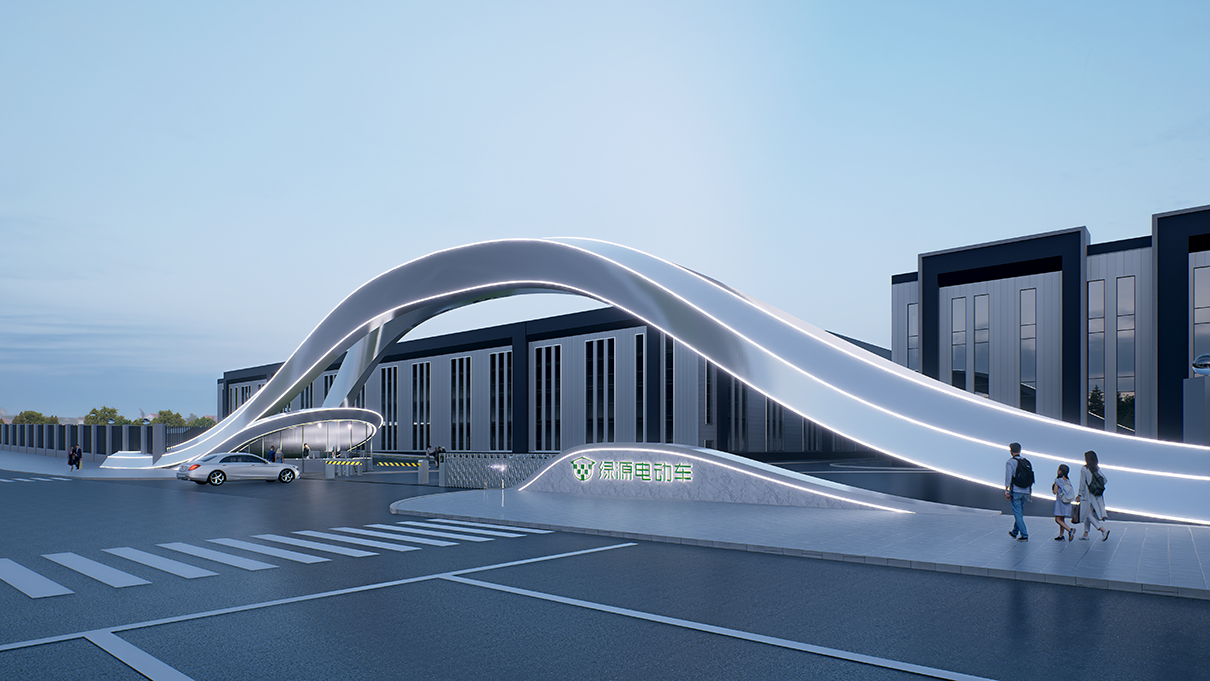
Why is a factory a listed company's "most expensive silent asset"?
Founded in Jinhua in 1997, Luyuan is one of the founding brands of China's electric two-wheeler industry. Over nearly three decades, the company has accumulated more than 600 patents, built four intelligent manufacturing bases, and established over 15,000 retail stores nationwide — the brand promise of "One Bike Rides Ten Years" is deeply rooted in consumers' minds.
But what truly catches the capital market's attention isn't these numbers — it's that Luyuan has turned its factory itself into a product.
Being selected as a Zhejiang Province Future Factory pilot means Luyuan's production base is no longer just a "workshop that makes bikes." It is now officially recognized by the government as a benchmark model for the industry's digital transformation. The value of this recognition lies in the clear signal it sends to investors, dealers, and overseas partners: Luyuan's manufacturing capability carries official endorsement.
Zhang Chi, founder of DACH Innovation, said in a lecture at Zhejiang University's Manufacturing Digital Intelligence Transformation Program: "Your factory is your biggest billboard." Luyuan is proof — when a company's factory is written into a provincial pilot list, it effectively receives a zero-cost certificate of trust.
In the era of going global, factory space becomes a "super business card"
Luyuan's announcement of a Thailand factory is not an isolated event.
In the first half of 2026, China's electric two-wheeler industry entered a dense overseas expansion phase: Yadea and Aima's Southeast Asian factories began production, and Luyuan followed with its Thailand layout. Industry research reports note that the Southeast Asian electric two-wheeler market is at a critical inflection point driven by "policy and oil price resonance."
But building a factory overseas is far more than "moving equipment over."
Through serving 96 manufacturing projects — including 5 overseas projects — DACH Innovation has identified a clear pattern: the more a company goes global, the more it cares about factory space standards. The reason is straightforward: overseas, your factory is the first physical touchpoint where customers, governments, and employees encounter your Chinese enterprise. Space standards are trust standards.
Luyuan's Thailand factory will face a brand-new dealer network in Southeast Asia, local government inspections, and international talent recruitment. A Future Factory-grade space proves "this Chinese company is serious" better than any PowerPoint ever could.
From "Future Factory" to "Embodied Intelligence": The extensibility of spatial narrative
Another move by Luyuan in 2026 deserves every manufacturing entrepreneur's attention — entering the embodied intelligence赛道.
Luyuan partnered with Youlu AI to develop commercial sweeping robots, going from collaboration to mass production in just 247 days, securing orders for 100,000 high-precision reduction modules and 10,000 complete units. Luyuan "demoted and released" its accumulated capabilities in electric drive, liquid cooling, and flexible manufacturing into an entirely new赛道.
The deeper logic behind this: when your factory is advanced enough, it can carry imagination beyond your original business. Luyuan's "Future Factory" doesn't just produce electric bikes — it produces "intelligent manufacturing capability" itself. This capability can be exported to robots, to overseas bases, to any new business requiring precision manufacturing.
The narrative extensibility of factory space determines whether a company's second growth curve story holds together.
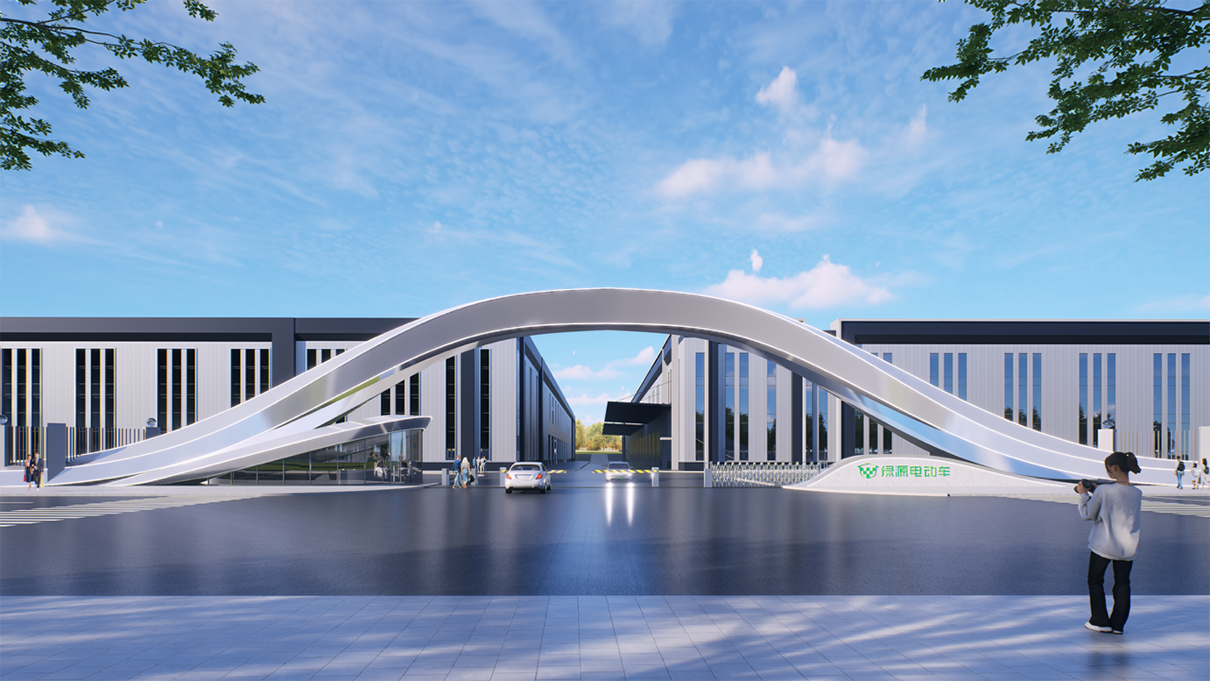
Three levels of Factory Marketing: What did Luyuan get right?
Deconstructing Luyuan's practice, Factory Marketing operates at three levels:
Level 1: Seen by government. Selected as a provincial Future Factory pilot, earning official endorsement — the hardest currency of credibility.
Level 2: Seen by customers. A dealer network of 15,000 stores and overseas partners building confidence through factory tours. A well-designed benchmark factory outweighs a hundred pages of product brochures.
Level 3: Seen by capital. Future Factory pilot + Thailand base + embodied intelligence orders — three threads weaving a complete valuation narrative: Luyuan isn't just selling electric bikes; it's building a replicable intelligent manufacturing platform.
These three levels map precisely to DACH Innovation's core framework of Factory Marketing theory: factory space is the physical declaration of corporate strategy.
Closing thoughts
Luyuan's story is a microcosm of Chinese manufacturing's transformation.
From a small workshop in Jinhua in 1997, to being selected as a provincial Future Factory pilot in 2026, establishing a Thailand base, and entering embodied intelligence — nearly 30 years of evolution tells us: competition in manufacturing ultimately ascends from the product level to the spatial level. When your factory is good enough, it speaks for itself.
Over the past three years, DACH Innovation has served 96 manufacturing projects, including 5 overseas projects, spanning eight industries from food and chemicals to new energy and medical devices. Business volume grew 533% in 2024, with a standardization rate of 89.4%. We are seeing an increasingly clear signal: the better the entrepreneur, the more they treat the factory as a strategic asset to be cultivated — not a cost center to be compressed.
Luyuan does this. So do the other listed companies DACH serves.
Factory as Asset. This phrase is becoming the new consensus of Chinese manufacturing.
FAQ
Q1: What is "Factory Marketing"?
Factory Marketing is an original framework developed by DACH Innovation. Its core thesis: factory space is a company's largest brand touchpoint. Through systematic spatial design and brand visualization, factories transform from "capacity containers" into "brand assets" — becoming their own most powerful marketing tool. Luyuan's selection as a Zhejiang Future Factory pilot is a textbook case: official endorsement itself is a zero-cost certificate of trust.
Q2: How can factory space influence a listed company's market value?
The logic chain: space standards → government recognition (e.g., Future Factory pilot) → enhanced customer confidence → increased trust from dealers and partners → improved revenue growth expectations → optimized valuation logic. In Luyuan's case, three threads — Future Factory pilot, Thailand base, embodied intelligence orders — form a complete valuation narrative that shows the capital market growth potential beyond the company's existing business.
Q3: Why do companies going overseas need to pay more attention to factory space design?
The core challenge for overseas expansion is trust-building. Overseas customers, governments, and employees lack intuitive knowledge of Chinese enterprises — the factory is their first physical encounter. Through 5 overseas projects (Thailand, Vietnam, Kenya), DACH Innovation has found that space standards directly impact customer audit pass rates, government approval efficiency, and talent recruitment quality. A benchmark factory with international standards is the most direct "super business card" for Chinese companies going global.