最新动态

给造机器的人造工厂:观众全是内行时,空间怎么设计?
——宏大压机:装备制造企业的"行家审厂学"
一、一种"藏在别人家车间里"的产品
很少有人见过液压机,但几乎每个人都"用过"它。
你汽车上的金属件、厨房水槽的拉伸成型、五金件的压制——背后都站着一台液压机。它不叫"工业母机"里最耀眼的名字,但它是"造机器的机器":没有它,别的工厂连第一道工序都开不了。
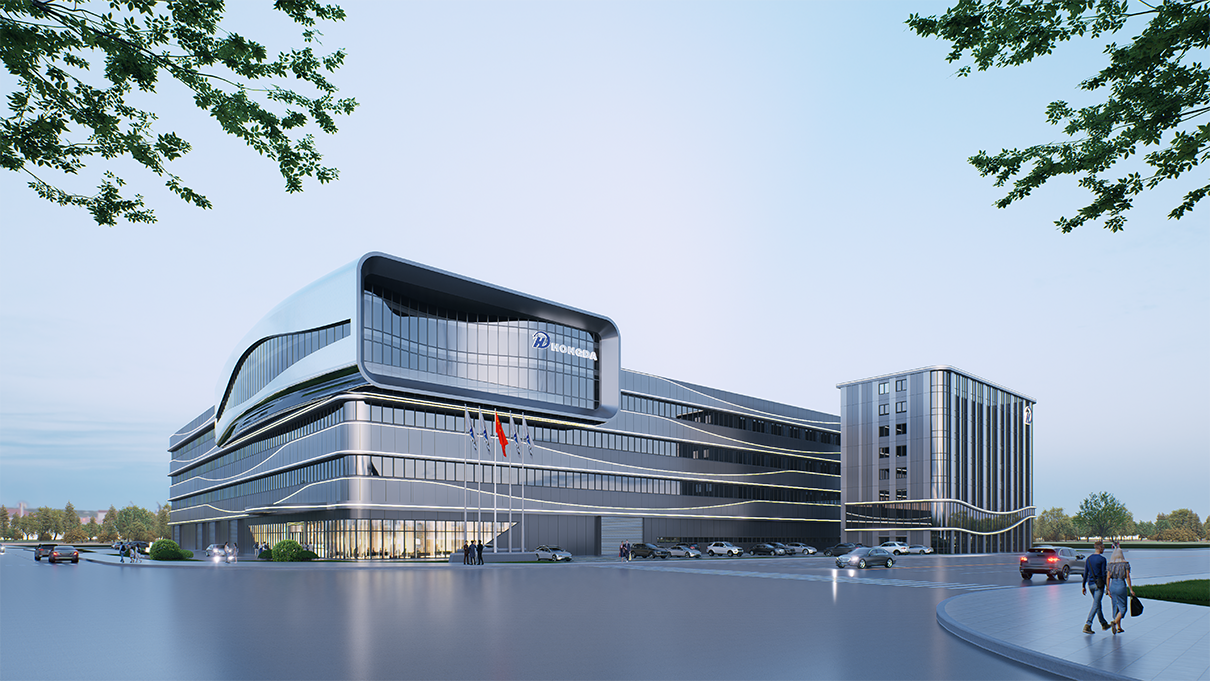
2012年创立于温州,10000平方米工厂,29项专利,年产值8000万元,产品出口多国。在高手如云的装备制造圈,这是一个不算庞大的体量——但它有一个特殊的身份:它服务的客户,几乎全都是"厂长"。
二、最挑剔的审厂观众:来的人,比你更懂工厂
大驰创新在服务96个制造业项目的过程中,总结过一张"审厂观众谱系":有经销商、有投资人、有政府官员、有招聘来的大学生——每一类观众需要被"讲述"。
但宏大压机面对的是谱系里最特殊的一类:同行。
买液压机的人是谁?是汽车零部件厂的厂长、是五金厂的老板、是复合材料企业的生产总监。这些人每天都在自己的车间里打滚,设备精度他们摸过,装配工艺他们看过,工厂管理的门道他们门儿清。
给外行做空间,重点是"讲清楚";给内行做空间,重点是"别装"。
一位装备行业的采购负责人在酒桌上说过一句大实话:"装修豪华的工厂我反而警惕——钱花在面子上,说明里子可能不够。我去看供应商,就看三样:地基、行车、装配区。这三样装不了假。"
三、大驰的解法:把"门道"排进动线
接到宏大压机项目后,大驰团队做的第一件事,是把自己切换成"客户视角"——假设来审厂的人,是一位开了二十年工厂的行家。
行家的动线,和游客的动线完全不同:
第一看地基。 液压机自重数十吨,运行精度以毫米计,客户会下意识看厂房地面和基础——这是设备精度最真实的"地基证明"。设计把设备基础的工艺,从"藏在地下"变成"可以被看见的解释":剖面展示、工艺标注、检测数据上墙。
第二看行车。 装备制造车间的天车(行车)是吞吐能力的咽喉。行家不看天车新旧,看吨位标识、运行轨迹、与装配工序的匹配。大驰把行车系统纳入参观动线的"视觉锚点"——站在哪里能看清整场物流,是设计出来的,不是碰巧的。
第三看装配区。 内行看装配,看的是"秩序是否可控":工具是否归位、工序是否分区、半成品是否占道。装配区不做任何"美化",只做一件事——让本来的秩序被一眼读完。
这套动线跑下来,客户平均审厂时间缩短了,但成交率反而上升。宏大的销售团队反馈:"以前要带客户讲半天,现在客户自己转一圈,问题比我们还专业。"
四、装备制造业的信任,不需要翻译
宏大压机29项专利、出口多国的成绩单,写在宣传册上只是文字。但行家客户走进工厂,看到地基的扎实、行车的从容、装配的秩序——这些证据不需要翻译,因为它们本来就是行业语言。
大驰创新创始人张驰在复盘这个项目时说了一句话:"制造业分两种信任:一种是'讲出来的信任',一种是'读出来的信任'。消费品牌需要前者,装备制造企业必须做到后者——因为你的观众,个个都是阅卷老师。"
五、写在最后:好工厂,经得起"同行凝视"
中国有无数像宏大压机这样的装备企业:规模不大,专利不少;广告不多,出口不少;名字不响,行内都认。
它们很少出现在大众视野里,因为它们的生意不需要大众——只需要一百个真正懂行的客户,一个个把心放下来。
而这样的企业做工厂空间设计,核心只有一句话:
不要设计给"观众"看,要设计给"同行"看。
观众会被感动,同行只会被说服。
而说服同行的方式,从来都不是更漂亮的装修——是你的地基、你的行车、你的装配区,经得起他们职业本能的审视。
好工厂的最高境界,是经得起同行的凝视。
Designing a Factory for People Who Build Machines: When the Audience Knows More Than You
— Hongda Press: The "Expert Audit" School of Equipment Manufacturing
I. A Product That "Hides in Other People's Workshops"
Few people have ever seen a hydraulic press, yet almost everyone has "used" one.
The metal parts on your car, the drawn forming of a kitchen sink, the stamping of hardware components—behind all of them stands a hydraulic press. It is not the most glamorous name among "industrial mother machines," but it is a machine for making machines: without it, other factories couldn't even start their first process.
Hongda Press is a company that builds such machines.
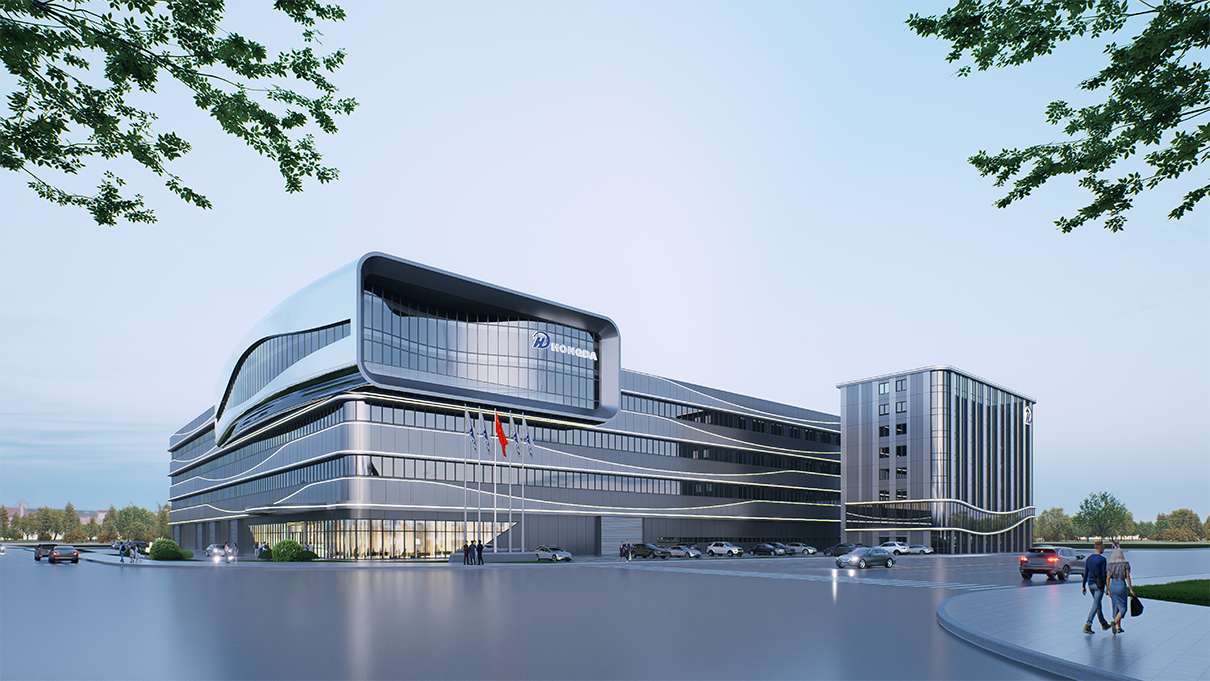
Founded in Wenzhou in 2012, with a 10,000-square-meter factory, 29 patents, annual output value of RMB 80 million, and products exported to multiple countries. In the crowded world of equipment manufacturing, this is not a massive scale—but it holds a special identity: virtually all of its customers are factory owners themselves.
II. The Most Demanding Audit Audience: Visitors Who Know Factories Better Than You
Across 96 manufacturing projects, DACH Innovation has mapped a "taxonomy of factory visitors": dealers, investors, government officials, newly hired graduates—each type needs to be "narrated to."
But Hongda faces the most special category in that taxonomy: peers.
Who buys hydraulic presses? Directors of auto-parts plants, owners of hardware factories, production directors of composite-material companies. These people spend every day in their own workshops. They've touched equipment precision, seen assembly processes, and know every trick of factory management by heart.
Design space for laypeople, and the priority is "explaining clearly." Design space for experts, and the priority is "don't fake it."
A procurement head in the equipment industry once said over dinner: "I'm actually wary of lavishly decorated factories—money spent on appearances suggests the substance may be lacking. When I audit a supplier, I look at three things: the foundation, the overhead crane, the assembly area. Those three cannot be faked."
III. DACH's Solution: Choreographing the "Insider's Route"
After taking on the Hongda project, the DACH team's first move was to switch into "customer mode"—assuming the visitor is a seasoned factory owner with twenty years under his belt.
An insider's route is completely different from a tourist's route:
First, look at the foundation. A hydraulic press weighs tens of tons, with operating precision measured in millimeters. Clients instinctively check the plant floor and foundations—the truest "foundation of proof" for equipment precision. The design turned the foundation workmanship from "buried and invisible" into "explainable and visible": cross-section displays, process annotations, inspection data on the wall.
Second, look at the overhead crane. In an equipment-manufacturing workshop, the crane is the throat of throughput. Insiders don't check its age—they check the tonnage markings, the travel path, the match with assembly processes. DACH incorporated the crane system as a "visual anchor" of the visitor journey—where to stand to see the entire logistics flow was designed, not accidental.
Third, look at the assembly area. When insiders observe assembly, they look for one thing: "whether order is controllable"—are tools returned to their places, are process zones delineated, do semi-finished goods block the aisles. The assembly area received no "beautification" whatsoever. Only one thing was done—making the existing order readable at a glance.
After this route was put in use, average audit time actually shortened—while the conversion rate went up. Hongda's sales team reported: "We used to have to explain everything to clients for half a day. Now clients walk around themselves and ask questions more professional than ours."
IV. Trust in Equipment Manufacturing Requires No Translation
Hongda's résumé—29 patents, exports to multiple countries—is just text in a brochure. But when expert clients walk into the factory and see the solid foundations, the unhurried cranes, the orderly assembly—none of this evidence requires translation, because it was always the industry's own language.
DACH Innovation founder Zhang Chi said in a project debrief: "Manufacturing has two kinds of trust: 'narrated trust' and 'readable trust.' Consumer brands need the former; equipment manufacturers must achieve the latter—because every one of your visitors is a grading teacher."
V. Closing: A Great Factory Survives the "Gaze of Peers"
China has countless equipment enterprises like Hongda Press: not large in scale, but rich in patents; not loud in advertising, but strong in exports; not famous in name, but recognized across the trade.
They rarely appear in public view, because their business doesn't need the public—only a hundred truly knowledgeable clients, each setting their mind at ease one by one.
And for such enterprises, spatial design comes down to a single sentence:
Don't design for an "audience." Design for "peers."
An audience can be moved. Peers can only be convinced.
And the way to convince peers has never been fancier decoration—it is your foundation, your cranes, your assembly area, surviving the scrutiny of their professional instinct.
The highest state of a great factory: surviving the gaze of peers.