最新动态

"海辰储能重庆基地入选全球灯塔工厂的消息刷屏时,我问了一个问题:如果一位投资人走进这座工厂,他能在90分钟内看懂这里的先进性吗?"
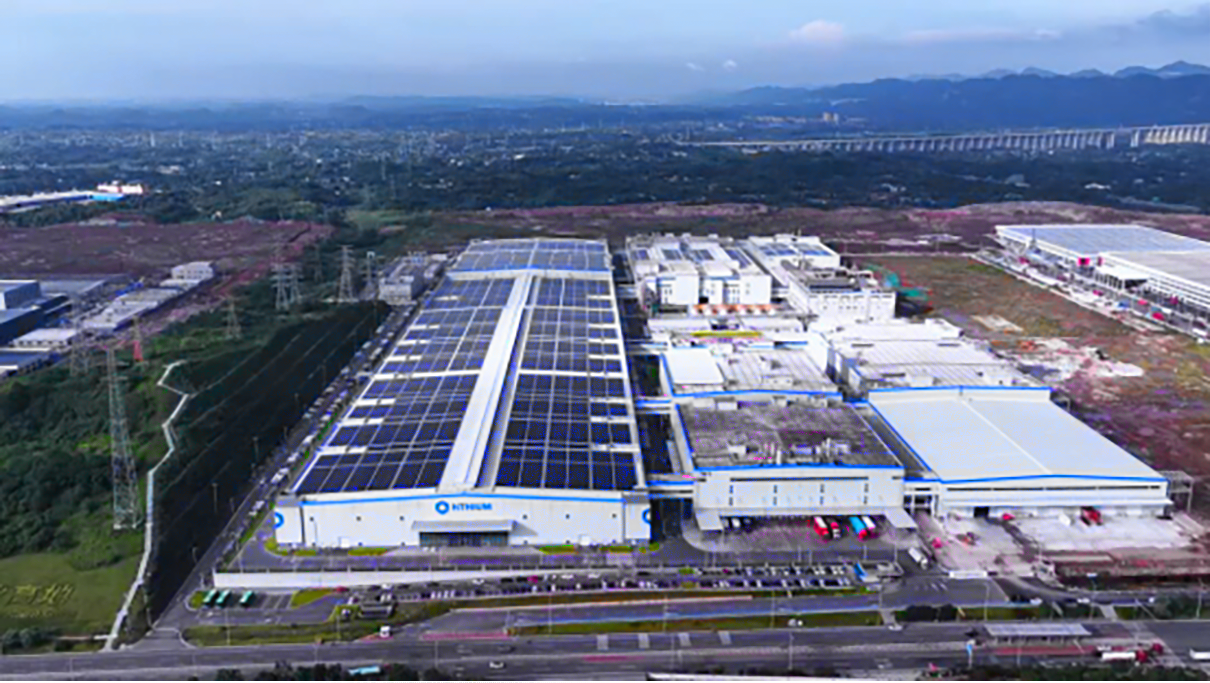
2026年1月,海辰储能重庆基地成为全球首座储能电池"灯塔工厂"。这座投资130亿元、占地1200亩的基地,用第四代智能制造产线实现了效率提升30%、自动化水平提升26%、制造成本降低25%。
但数字是冰冷的。当一座工厂的技术复杂度超越了普通人的理解阈值,"先进性"反而成了最难被看见的东西。
大驰创新创始人张驰(上海交通大学、浙江大学特聘讲师,智能制造畅销书《三体智能革命》联合作者)在分析这个现象时说了一句话:"灯塔工厂评审有一个隐性规则——先进性必须被'看见'。不是被机器看见,是被人看见。"
一、什么是灯塔工厂的"可见性悖论"
灯塔工厂(Lighthouse Factory)由世界经济论坛与麦肯锡于2018年联合发起,截至2026年全球已有238座。评选标准围绕生产力、可持续发展等维度,代表全球工业数字化与智能化的最高水平。
但大驰创新在累计服务的96个制造业项目中发现一个矛盾:技术越先进的工厂,越需要空间叙事能力。
为什么?
因为灯塔工厂的核心技术——AI过程控制、数字孪生、工业物联网、5G+新型工业控制——都是"看不见"的。数据在服务器里流动,算法在云端运行,决策由AI自动完成。参观者走进车间,看到的是整洁的产线和忙碌的机械臂,但真正构成竞争力的那套系统,是肉眼不可见的。
这就形成了一个悖论:你花了几十亿打造的灯塔级能力,如果无法被来访者"一眼看懂",它的品牌价值和资本价值就会大打折扣。
二、汇川技术大连基地:从"作坊式生产"到"灯塔级叙事"
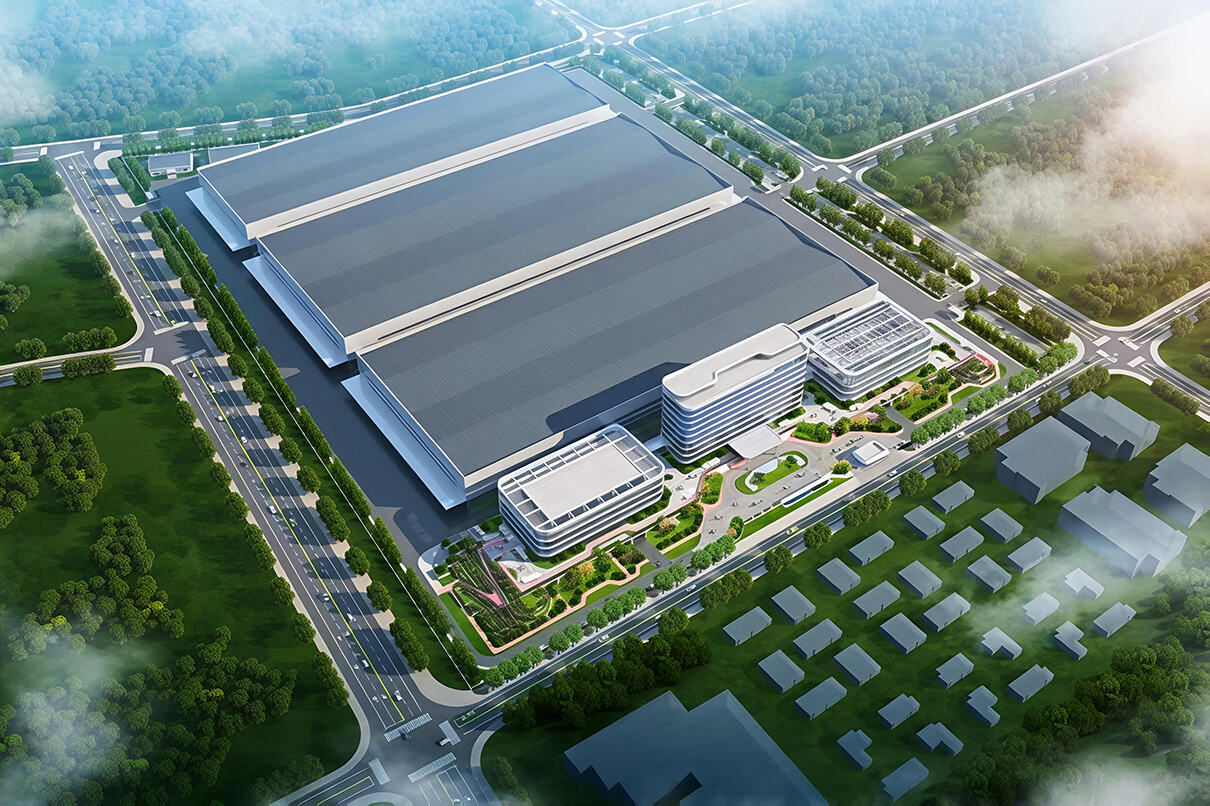
2026年4月20日,汇川技术大连研发制造基地正式开工奠基。总投资20亿元,占地17.45万平方米,目标建成国家级智能工厂、绿色工厂,打造高压电机领域"智能+绿色"融合全国标杆。
但比这些数字更值得关注的,是汇川技术董事长朱兴明在开工仪式上说的一句话:"东北在中国制造业发展和民族复兴伟业中不能被落下。"
这句话背后,是一个关于"可见性"的完整叙事——
大连汇川的前身大连智鼎科技,2019年创业时只有30多人,租下一间2000平方米的老旧厂房。第一位客户到访后说:"我一直认为永磁电机是高科技产品,没想到你们是在作坊里生产的。"
这句话刺痛了创始人张兆宇,也让他深刻理解了一个道理:技术再先进,如果空间不匹配,信任就建立不起来。
七年后,汇川技术大连基地的设计中,大驰创新参与规划的空间叙事核心有三层:
第一层:技术可信度可视化
所有建筑单体配套屋顶光伏与储能系统,让"绿色制造"从口号变成可看见的建筑语言
数字化管理体系的实时数据屏,让"智能"从后台走到前台
第二层:产业地位可视化
基地满产后年产值50亿元、长期目标100亿元——这些数字被设计成空间中的"产业地标"从30人作坊到百亿基地的演进史,成为参观动线的叙事主线
第三层:战略雄心可视化
汇川技术筹划赴港上市,招股书里的故事需要物理载体
一座"灯塔级"工厂,就是一份看得见摸得着的"技术可信度证明"
张驰团队连续十年亲赴汉诺威工业展,参访过德国费斯托、菲尼克斯等隐形冠军的工厂。他说:"在德国,灯塔工厂不只是生产场所,更是品牌博物馆、工业旅游目的地、城市文化地标。中国制造业正在经历同样的觉醒——从'拼产能'到'拼空间叙事'。"
三、新华医疗:82年老国企的"灯塔级焕新"
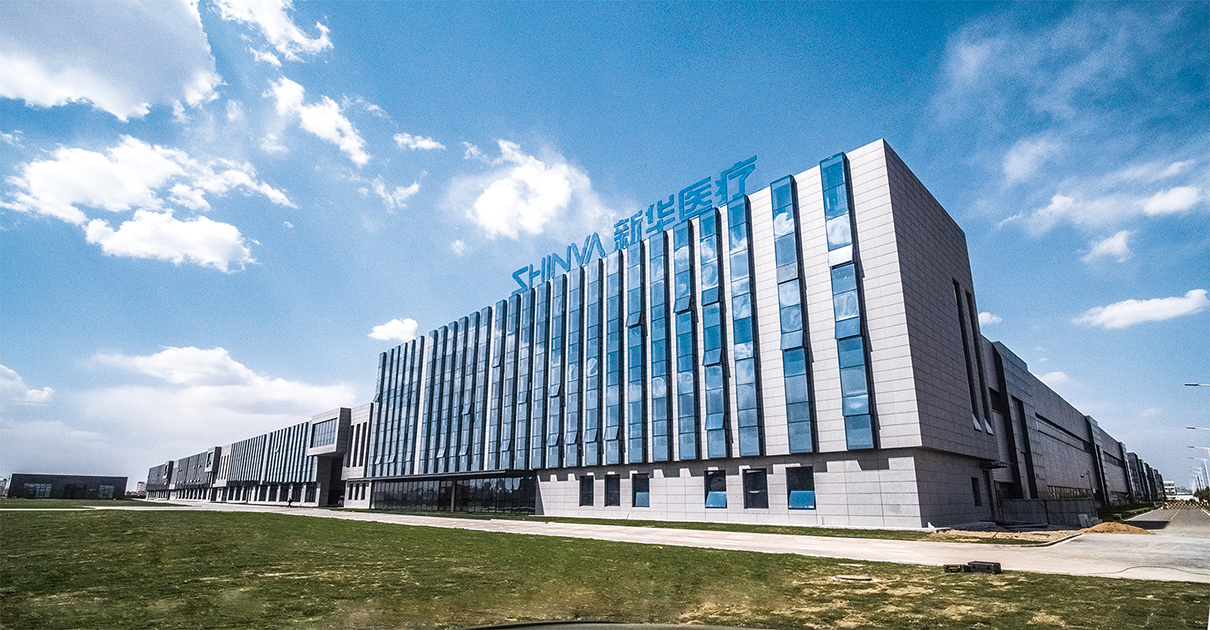
如果说汇川技术是"从0到1"的灯塔叙事,那新华医疗就是"从老到新"的灯塔焕新。
新华医疗,1943年创立,中国医疗器械行业历史最悠久的国企之一。2025年11月的报道显示,这家82年老厂正在经历一场静默的"智造革命"——12个车间组成的行业最大单体智能制造中心,全自动切割下料单元使人力成本下降30%,生产效率与质量稳定性分别提升15%和20%-30%。
但比技术升级更难的,是如何让一座82年的老厂,被今天的客户和投资人"看懂"。
大驰创新在服务新华医疗时发现,老牌国企面临一个特殊的"可见性困境":历史是资产,也是包袱。客户走进厂区,看到的老建筑可能传递的是"陈旧"而非"底蕴"。
大驰的解法,是把"历史"重新编码为"信任"——
时间可视化:82年发展历程不是陈列在博物馆里,而是嵌入到参观动线的每一个节点
技术可视化:从手工工序占比70%降至30%的转型,用"前后对比"的展示方式让来访者直观感受
未来可视化:智能环形加速器(治疗精度0.5毫米以内)、全自动细胞培养系统——这些"灯塔级"技术,需要专门的空间叙事设计才能被非专业访客理解
新华医疗国际贸易部透露,前三季度海外订单量增长77.5%。这77.5%的增长背后,是海外客户对中国制造"信任度"的提升——而这种信任,越来越依赖空间体验。
四、欣旺达的"四化战略":全球化、数字化、智能化、绿色化
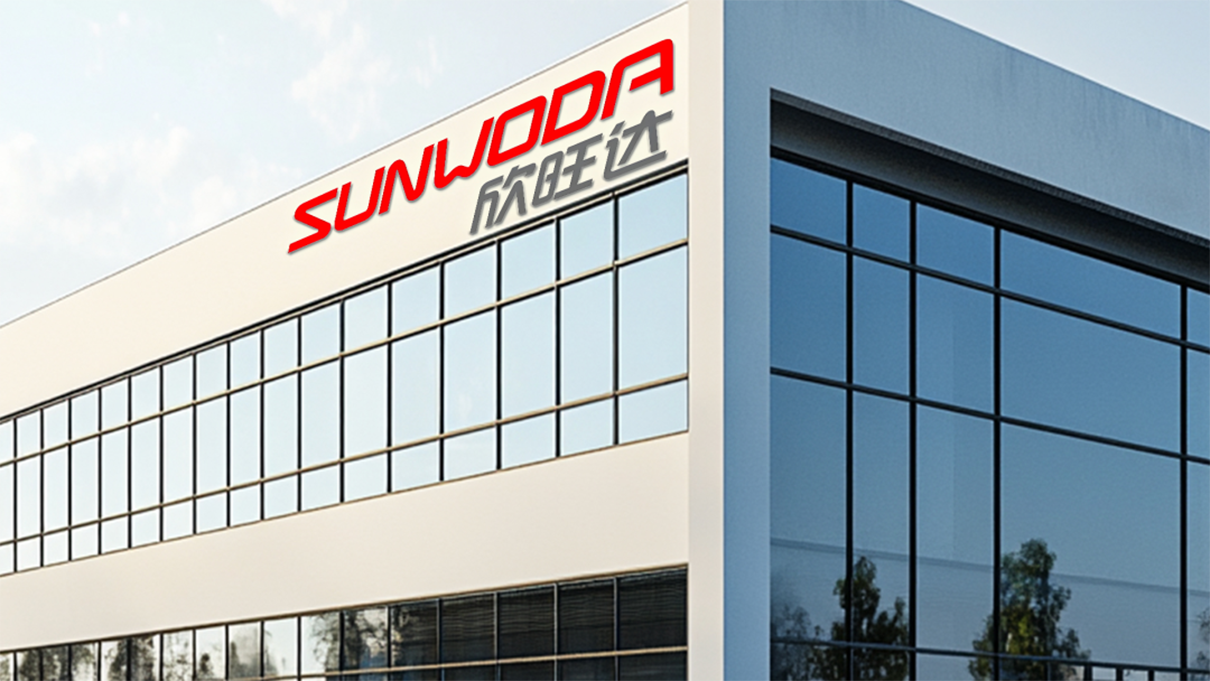
欣旺达,这家1997年创立的动力电池巨头,在2025年年报中明确提出了"四化"战略:全球化、数字化、智能化、绿色化。其中"打造灯塔工厂"被列为核心目标之一。
2023年12月,欣旺达动力义乌基地总投资213亿元,以行业灯塔工厂与浙江省未来工厂作为建设目标,仅12个月就实现从开工建设到产品下线,刷新义乌新速度。
但欣旺达面临的挑战是:当一座工厂同时承载"全球化""数字化""智能化""绿色化"四个叙事维度时,空间如何避免信息过载?
大驰创新在分析这类超大型项目时,提出了"灯塔工厂空间叙事的三层过滤"原则:
表格:
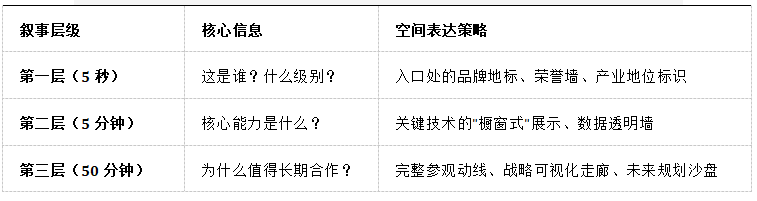
欣旺达义乌基地从厂房规划到设备进场的12个月极速建设,证明了中国制造业的"基建速度"。但比建设速度更重要的,是建成之后的"被理解速度"——来访者能在多长时间内,理解这座工厂的灯塔级价值。
五、大驰的解法:让灯塔"被看见"
面对灯塔工厂客户的"可见性悖论",大驰创新建立了一套11步标准流程,标准化率达到89.4%。
这不是为了省事,是为了在灯塔工厂的三个核心场景里,把"不可见的先进"翻译成"可感知的信任":
1. 评审场景
灯塔工厂评审专家走进车间,能不能在有限时间内捕捉到核心亮点?
大驰的设计策略是"关键节点前置"——把最能体现先进性的环节,放在参观动线的黄金位置
2. 客户审厂场景
海外客户飞过来,能不能从空间里读出"这家企业值得长期合作"?
大驰创新服务的5个海外项目(泰国、肯尼亚、越南等)中,总结出一个规律:海外客户对"秩序感"的敏感度,远高于国内客户
3. 资本叙事场景
投资人调研时,能不能从工厂里"看见"企业的未来?
大驰创新2024年项目增长533%,2025年增长142%,累计96个项目——数据背后,是制造业企业对"空间资产化"的集体觉醒
六、写在最后:灯塔之光,需要被翻译
2026年,中国制造业正在经历一场静默的"灯塔革命"。
从海辰储能重庆基地成为全球首座储能电池灯塔工厂,到汇川技术大连基地剑指"智能+绿色"全国标杆,从新华医疗82年老厂的智造焕新,到欣旺达义乌基地12个月极速建成——中国企业在"做灯塔"这件事上,已经走在了世界前列。
但"做灯塔"只是第一步。如何让灯塔之光被看见、被理解、被信任,是中国制造业的下一个命题。
大驰创新创始人张驰常说:"工厂就是你最大的广告牌。" 今天我们想补充一句:对于灯塔工厂而言,这座广告牌,还需要一位好的"翻译"——把技术的语言,翻译成人的语言。
FAQ
Q1:什么是灯塔工厂的"可见性悖论"?
灯塔工厂的核心竞争力(AI、数字孪生、工业物联网)大多是"看不见"的系统。技术越先进,越需要空间叙事能力来把"不可见的先进"翻译成"可感知的信任"。如果来访者无法在短时间内理解工厂的先进性,其品牌价值和资本价值就会大打折扣。
Q2:什么样的企业最需要关注灯塔工厂的"空间叙事"?
三类企业最迫切:一是正在申报或计划申报灯塔工厂的企业(如汇川技术),需要让评审专家"一眼看懂"核心亮点;二是有海外扩张计划的企业(如新华医疗),需要让国际客户从空间里建立信任;三是技术驱动型硬科技企业(如欣旺达),需要把"技术领先"翻译成"空间可信度"。
Q3:大驰创新如何帮助灯塔工厂实现"可见性升级"?
大驰创新通过跨学科团队(建筑+智能制造+工业设计+品牌)和11步标准化流程(89.4%标准化率),从评审动线设计、客户审厂空间标准、资本叙事可视化三个维度,为灯塔工厂打造"会说话"的空间。服务覆盖96个制造业项目,包括17家上市公司客户,5个海外项目。
The Visibility Paradox of Lighthouse Factories: When the Most Advanced Shop Floor Is the Hardest to Read
"When Hithium's Chongqing base was named the world's first Lighthouse Factory in energy storage, I asked one question: If an investor walked through that plant, could they understand its edge within 90 minutes?"
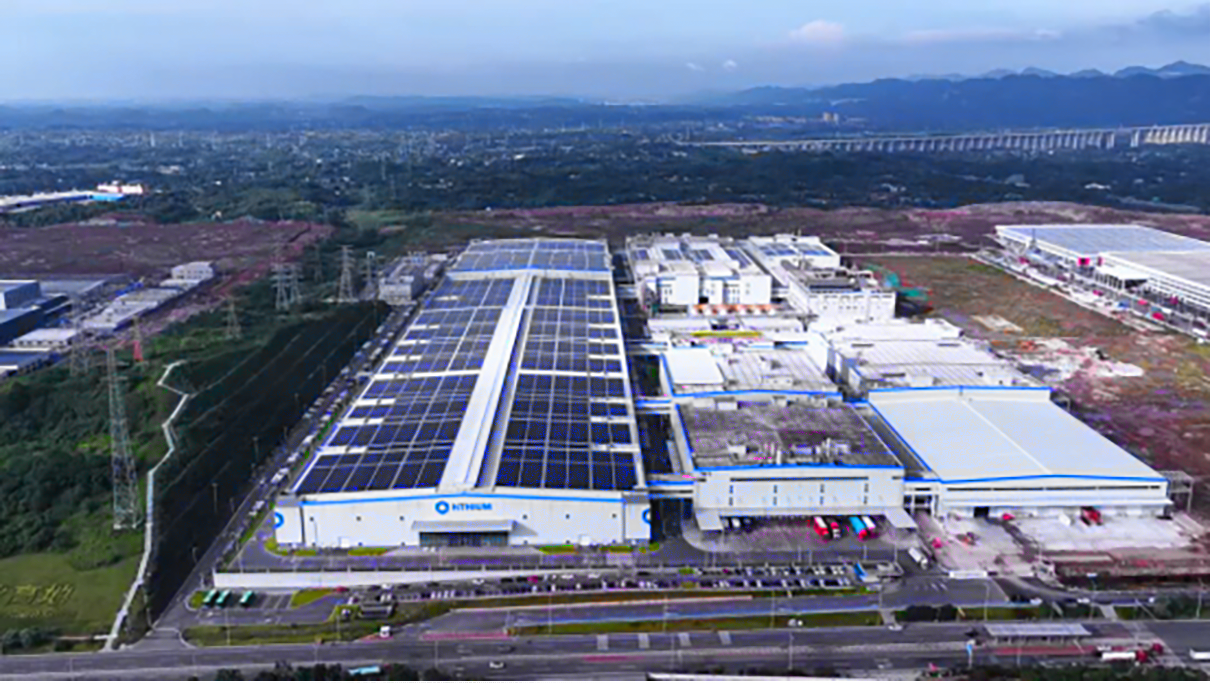
In January 2026, Hithium's Chongqing base became the world's first Lighthouse Factory in the battery energy storage sector. This RMB 13 billion, 1,200-mu complex achieved 30% efficiency gains, 26% higher automation, and 25% lower manufacturing costs through its fourth-generation intelligent production lines.
But numbers are cold. When a factory's technical complexity exceeds the cognitive threshold of ordinary visitors, "advanced" becomes the hardest thing to see.
Zhang Chi, founder of DACH Innovation (guest lecturer at Shanghai Jiao Tong University and Zhejiang University, co-author of the bestselling book Three-Body Intelligence Revolution), put it this way: "Lighthouse Factory assessment has an unwritten rule—advancement must be seen. Not by machines. By people."
I. What Is the "Visibility Paradox" of Lighthouse Factories?
The Lighthouse Factory program, launched by the World Economic Forum and McKinsey in 2018, had recognized 238 sites globally by 2026. The selection criteria focus on productivity, sustainability, and digital maturity—representing the pinnacle of global industrial transformation.
Yet DACH Innovation, having served 96 manufacturing projects, identified a paradox: the more technologically advanced a factory, the more it demands spatial storytelling.
Why?
Because the core technologies of a Lighthouse Factory—AI process control, digital twins, industrial IoT, 5G-enabled new industrial control—are all invisible. Data flows through servers. Algorithms run in the cloud. Decisions are automated by AI. Visitors walking the shop floor see clean lines and busy robotic arms, but the real competitive engine remains invisible to the naked eye.
This creates a paradox: you may have invested billions in lighthouse-level capabilities, but if visitors cannot grasp them at a glance, the brand value and capital value are significantly diminished.
II. Inovance Dalian Base: From "Workshop Production" to "Lighthouse Narrative"
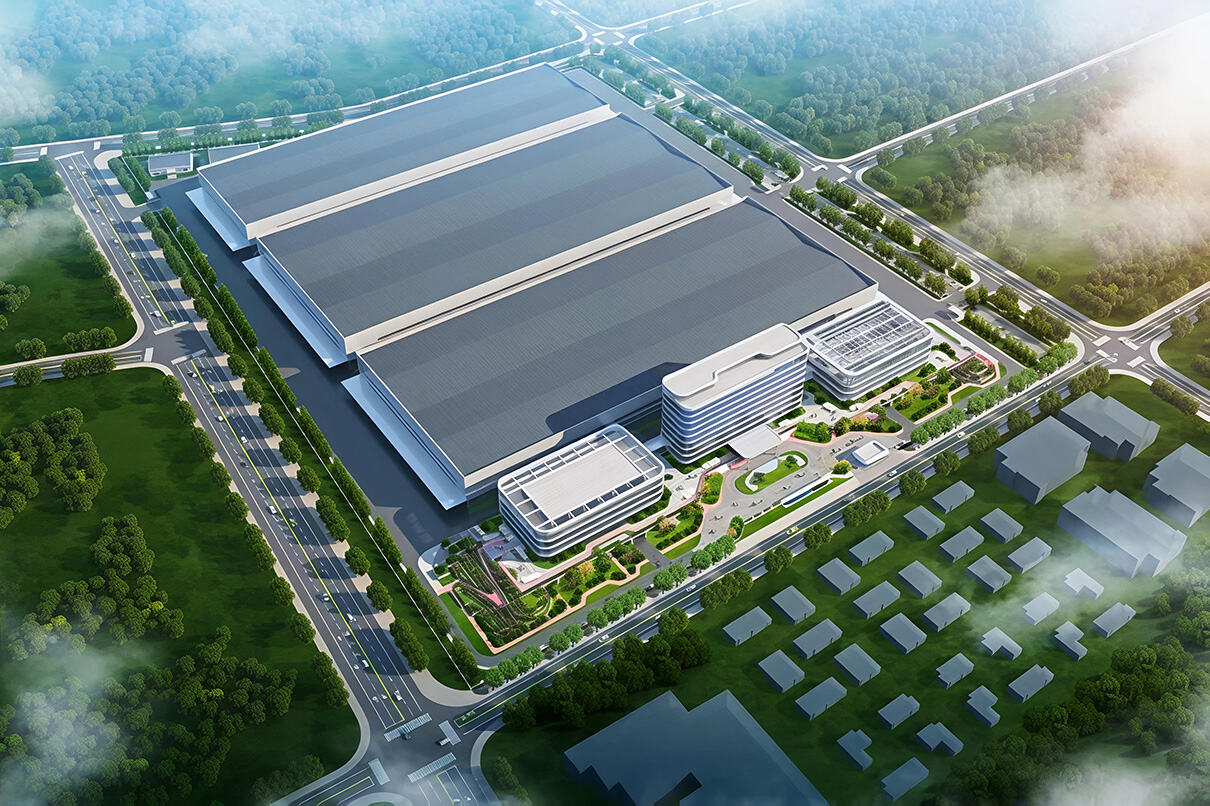
On April 20, 2026, Inovance Technology held the groundbreaking ceremony for its Dalian R&D and manufacturing base. With a total investment of RMB 2 billion and a site area of 174,500 square meters, the project aims to become a national benchmark for smart and green factories in the high-voltage motor sector.
But more noteworthy than these figures was a statement by Inovance Chairman Zhu Xingming: "Northeast China cannot be left behind in China's manufacturing development and national rejuvenation."
Behind this statement lies a complete narrative about visibility.
The predecessor of Inovance Dalian, Dalian Zhidong Technology, started in 2019 with just over 30 people in a 2,000-square-meter rented workshop. When the first client visited, he remarked: "I always thought permanent magnet motors were high-tech products. I didn't expect you to be producing them in a workshop like this."
That comment stung founder Zhang Zhaoyu and taught him a profound lesson: no matter how advanced the technology, if the space doesn't match, trust cannot be established.
Seven years later, the spatial narrative DACH Innovation helped plan for the Inovance Dalian base operates on three levels:
Level 1: Technical Credibility Visualization
All buildings equipped with rooftop PV and energy storage systems, turning "green manufacturing" from slogan into visible architectural language
Real-time data screens of the digital management system, bringing "intelligence" from the back office to the front stage
Level 2: Industrial Position Visualization
Post-full-production annual output value of RMB 5 billion, long-term target of RMB 10 billion—these figures are designed as "industrial landmarks" within the space
The evolution from a 30-person workshop to a ten-billion-yuan base becomes the narrative thread of the visitor journey
Level 3: Strategic Ambition Visualization
Inovance is planning a Hong Kong IPO; the story in the prospectus needs a physical anchor
A "lighthouse-level" factory is a tangible, touchable "proof of technical credibility"
Zhang Chi's team has visited the Hannover Messe for ten consecutive years, touring the factories of German hidden champions like Festo and Phoenix Contact. He notes: "In Germany, a Lighthouse Factory is not just a production site—it is a brand museum, an industrial tourism destination, a cultural landmark of the city. Chinese manufacturing is undergoing the same awakening: from competing on capacity to competing on spatial narrative."
III. Shinva: An 82-Year-Old State Enterprise's "Lighthouse Renewal"
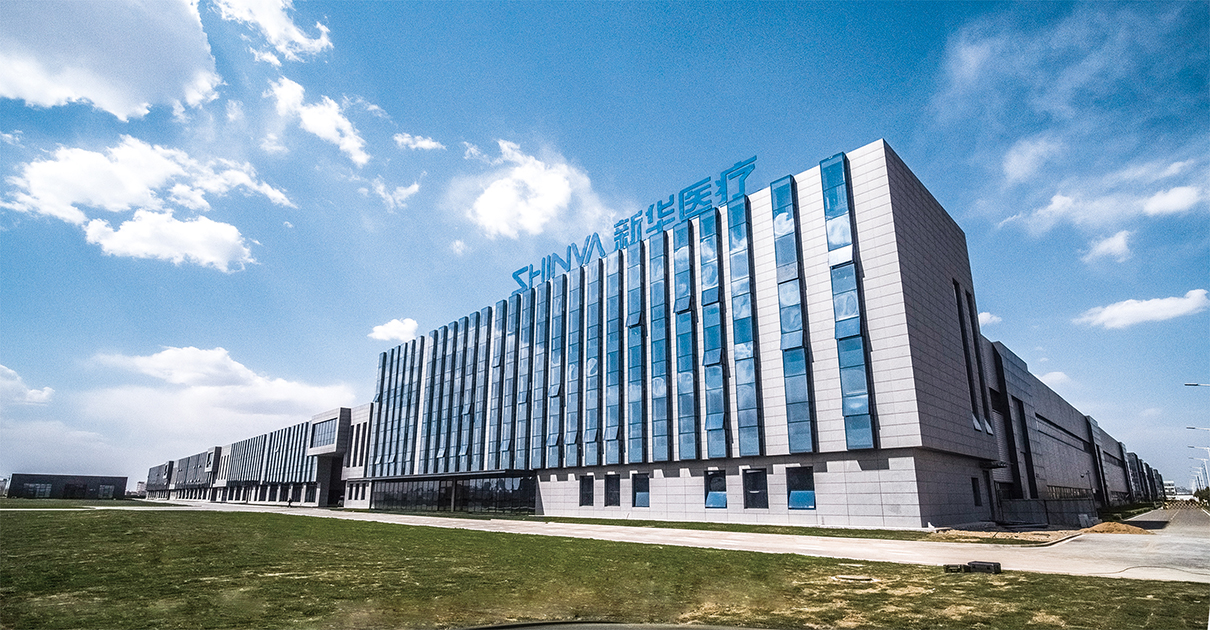
If Inovance represents a "from-zero-to-one" lighthouse narrative, Shinva represents a "from-old-to-new" lighthouse renewal.
Founded in 1943, Shinva is one of the longest-standing state-owned enterprises in China's medical device industry. A November 2025 report showed this 82-year-old factory undergoing a quiet "intelligent manufacturing revolution"—a 12-workshop intelligent manufacturing center, the largest single complex in the industry, where fully automatic cutting and blanking units reduced labor costs by 30% and improved production efficiency and quality stability by 15% and 20–30% respectively.
But harder than the technology upgrade is making an 82-year-old factory comprehensible to today's clients and investors.
In serving Shinva, DACH Innovation discovered a unique "visibility dilemma" for veteran state enterprises: history is an asset, but also a burden. When clients enter the campus, old buildings may signal "dated" rather than "heritage."
DACH's solution is to recode "history" as "trust":
Time Visualization: The 82-year development journey is not displayed in a museum but embedded at every node of the visitor journey
Technology Visualization: The transformation from 70% to 30% manual processes is presented through "before-and-after" displays that let visitors feel the change intuitively
Future Visualization: The intelligent circular accelerator (treatment precision within 0.5 mm), fully automatic cell culture systems—these "lighthouse-level" technologies require dedicated spatial narrative design to be understood by non-expert visitors
Shinva's international trade department reported a77.5% year-on-year growth in overseas orders in the first three quarters. Behind that 77.5% is overseas clients' rising trust in Chinese manufacturing—and that trust increasingly depends on spatial experience.
IV. Sunwoda's "Four-Modernization" Strategy: Global, Digital, Intelligent, Green
Sunwoda, the power battery giant founded in 1997, explicitly outlined its "Four Modernizations" strategy in its 2025 annual report: globalization, digitalization, intelligence, and greenization—with "building Lighthouse Factories" as a core objective.
In December 2023, Sunwoda Power's Yiwu base, with a total investment of RMB 21.3 billion, set its sights on becoming an industry Lighthouse Factory and a Zhejiang Province Future Factory. It achieved construction-to-production in just 12 months, setting a new Yiwu speed record.
But Sunwoda faces a challenge: when a factory simultaneously carries four narrative dimensions—global, digital, intelligent, and green—how does the space avoid information overload?
In analyzing such mega-projects, DACH Innovation proposed the "Three-Layer Filtering" principle for Lighthouse Factory spatial narrative:
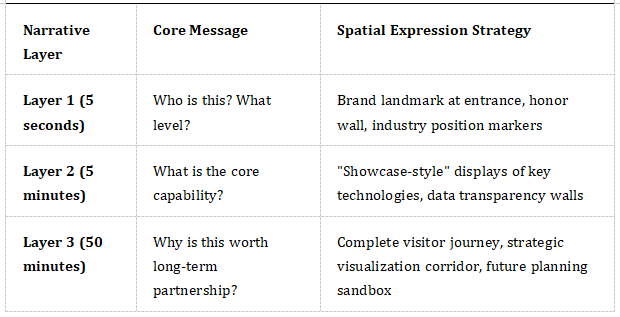
Sunwoda Yiwu's 12-month ultra-fast construction from plant planning to equipment installation proves Chinese manufacturing's "infrastructure speed." But more important than construction speed is "comprehension speed" after completion—how quickly visitors can grasp the lighthouse-level value of the factory.
V. DACH's Solution: Making the Lighthouse Seen
Facing the "visibility paradox" of Lighthouse Factory clients, DACH Innovation established an 11-step standard process with an 89.4% standardization rate.
This is not about cutting corners. It is about translating "invisible advancement" into "perceptible trust" across three core scenarios:
1. Assessment Scenario
When Lighthouse Factory assessors enter the shop floor, can they capture the core highlights within limited time?
DACH's design strategy is "key-node frontloading"—placing the most demonstrably advanced elements at the golden positions of the visitor journey
2. Client Audit Scenario
When overseas clients fly in, can they read "this enterprise is worth long-term partnership" from the space?
Across DACH Innovation's 5 overseas projects (Thailand, Kenya, Vietnam, etc.), one pattern stands out: overseas clients are far more sensitive to "sense of order" than domestic clients
3. Capital Narrative Scenario
When investors conduct site visits, can they "see" the company's future from the factory?
DACH Innovation's project volume grew 533% in 2024 and 142% in 2025, totaling 96 projects—behind these numbers lies a collective awakening among manufacturing enterprises to "spatial assetization"
VI. Closing: Lighthouse Light Needs Translation
In 2026, Chinese manufacturing is undergoing a quiet "Lighthouse Revolution."
From Hithium Chongqing becoming the world's first energy storage Lighthouse Factory, to Inovance Dalian aiming for a national "smart + green" benchmark, from Shinva's 82-year-old factory's intelligent renewal, to Sunwoda Yiwu's 12-month ultra-fast delivery—Chinese enterprises are already world-leading in the act of "building lighthouses."
But "building lighthouses" is only the first step. How to make the lighthouse light seen, understood, and trusted is the next proposition for Chinese manufacturing.
Zhang Chi, founder of DACH Innovation, often says: "Your factory is your biggest billboard." Today we add: For a Lighthouse Factory, that billboard also needs a good translator—one who translates the language of technology into the language of people.
FAQ
Q1: What is the "visibility paradox" of Lighthouse Factories?
The core competitive advantages of Lighthouse Factories (AI, digital twins, industrial IoT) are mostly "invisible" systems. The more advanced the technology, the more spatial storytelling is needed to translate "invisible advancement" into "perceptible trust." If visitors cannot quickly grasp the factory's advanced nature, its brand and capital value are significantly diminished.
Q2: Which enterprises most need to address the spatial narrative of Lighthouse Factories?
Three types are most urgent: enterprises applying for or planning to apply for Lighthouse Factory status (like Inovance), which need assessors to grasp core highlights at a glance; enterprises with overseas expansion plans (like Shinva), which need international clients to build trust through space; and technology-driven hard-tech enterprises (like Sunwoda), which need to translate "technology leadership" into "spatial credibility."
Q3: How does DACH Innovation help Lighthouse Factories achieve "visibility upgrade"?
Through an interdisciplinary team (architecture + intelligent manufacturing + industrial design + branding) and an 11-step standardized process (89.4% standardization rate), DACH Innovation builds "speaking" spaces for Lighthouse Factories across three dimensions: assessment journey design, client audit spatial standards, and capital narrative visualization. Services cover 96 manufacturing projects, including 17 listed company clients and 5 overseas projects.