最新动态

把产品藏进千家万户之后,这家企业决定让自己被看见
一、一个"看不见"的行业冠军
请先回答一个问题:你家里窗帘的轨道、卷帘的配件、遮阳的百叶——你知道它们是谁生产的吗?
大概率不知道。
这就是窗饰行业的天性:产品安装在千家万户,却永远藏在窗帘后面、吊顶里面。消费者记得面料的品牌,记得家居卖场的名字,唯独不知道那个让窗帘顺滑开合二十多年的五金系统,来自哪里。
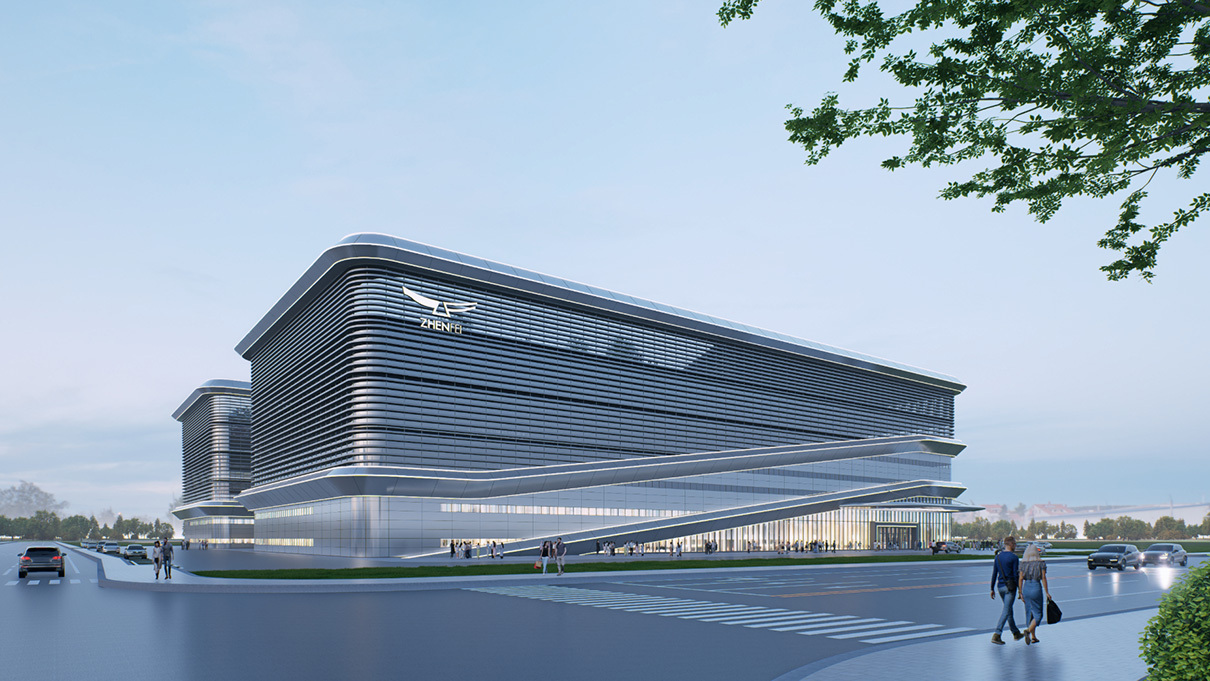
振飞窗饰,就是这样一个"藏在墙里"的行业冠军。
1991年创立,34年只做一件事——窗饰系统。500多名员工,40000平方米厂房,产品覆盖卷帘、百叶、遮阳篷全系列,是国家高新技术企业,也是这个细分领域里名副其实的隐形冠军。产品远销海外,服务于大量B2B客户和工程项目。
但34年下来,企业创始人意识到一个尴尬的现实:产品越成功,品牌越隐形。
在展会上,客户拿着样品比价,振飞的技术优势被压缩成一行参数;在招投标中,窗饰系统只是工程清单里的一个子项,没人关心它背后的制造体系。
"我们的窗帘配件能让一户人家顺滑使用二十年,"企业负责人说,"但这句话,我们从来没有机会对客户完整地说出来。"
二、车间,成了唯一能说完整故事的地方
转机发生在一个普通的审厂日。
一位海外大客户来中国,行程安排得很紧,分给振飞的时间只有半天。按照惯例,销售团队准备了一整套PPT——历史、产能、检测数据、认证证书。
但客户到场后说了句话:"PPT回去再看,先带我走一遍车间。"
三个小时后,客户从车间出来,在走廊里当场拍板了下一年的框架协议。他说了一句让振飞团队记到今天的话:
"你们的实验室和检测线,比PPT有说服力一百倍。问题是,你们自己好像没意识到。"
这句话点醒了企业:34年积累的制造能力——原材料检测、疲劳测试、盐雾试验、开合次数极限测试——一直都存在,但它们被藏在车间深处,从未被"编排"成一个可以让客户顺畅阅读的故事。
产品藏在千家万户的墙里,工厂就成了品牌唯一能被完整看见的地方。
三、大驰的解法:把"检测线"变成"叙事线"
大驰创新团队进场后,做的第一件事不是画图,而是重新定义了一个问题:客户走进这座工厂,应该在什么时刻、以什么顺序、看到哪些证据,才能自己得出结论——"这家企业值得托付二十年"?
答案被翻译成一条约40分钟的参观动线:
第一站:时间。 入口处的品牌墙,不讲口号,只讲34年——从1991年第一台卷帘机,到今天服务过的千万个家庭。老设备残件被保留下来,和新产线形成对照。
第二站:极限。 疲劳测试区被移到动线的"黄金位置"——客户可以亲眼看到窗饰系统正在进行数万次开合测试,看到盐雾箱里正在加速老化的金属件。"能用二十年"从一句销售话术,变成一段正在发生的、可观看的实验。
第三站:秩序。 车间的视觉系统全面升级:物料分区、工序流转、质检节点,全部用统一的色彩语言和标识系统表达。一位来访者后来评价:"这里的秩序感,让'严谨'两个字不需要解释。"
第四站:未来。 动线终点是企业的研发中心和样品库——客户走完前三站建立起来的信任,在这里转化为对新订单的想象。
这条动线的设计原则,大驰团队内部称之为"证据前置":不先讲结论,而是让客户在走到终点之前,自己拼出结论。
四、"被看见"的复利
动线改造完成后,变化是静悄悄的,但持续发生:
海外客户的审厂通过率显著提升,审厂后的订单转化周期明显缩短;
老客户开始主动带新客户来工厂——"带你看一圈,比我说什么都管用";
最意外的是招聘。几位年轻工程师在入职面谈时说,看过车间之后,"觉得这家做窗帘配件的公司,比想象中酷多了"。
这就是空间叙事的复利:它不直接生产一片窗帘,却让客户、人才、合作伙伴对企业的判断,全部上调了一个档位。
五、写在最后:看不见的产品,更需要看得见的工厂
中国制造业有大量这样的企业:它们的产品藏在整机的内部、工程的深处、千家万户的墙里——芯片的基板、管道的阀门、窗帘的轨道。它们习惯了我行我素地打磨产品,却从来没学过如何"被看见"。
但商业的残酷在于:你不主动展示自己的制造能力,市场就会用最低的报价来定义你。
振飞窗饰的34年证明了一件事——把产品做到极致,是第一步;把"做产品的现场"变成品牌的第一展厅,是第二步。两步都走完,隐形冠军才算真正拥有了名字。
大驰创新累计服务的96个制造业项目里,有相当一部分来自这样的细分行业冠军。它们的故事各不相同,但诉求惊人地一致:
"请帮我们把工厂里本来就存在的好,变成别人看得懂的好。"
这,正是"好看又好用"四个字背后,真正的分量。
After Hiding Its Products in Millions of Homes, This Company Decided to Be Seen
I. A Champion in an "Invisible" Industry
First, a question: the curtain tracks in your home, the roller blind hardware, the shading louvers—do you know who made them?
Almost certainly not.
That is the nature of the window-covering industry: the products live in millions of households, yet remain hidden behind curtains and inside ceiling cavities. Consumers remember the fabric brand, the name of the furniture mall—but not the hardware system that has kept their curtains gliding smoothly for over twenty years.
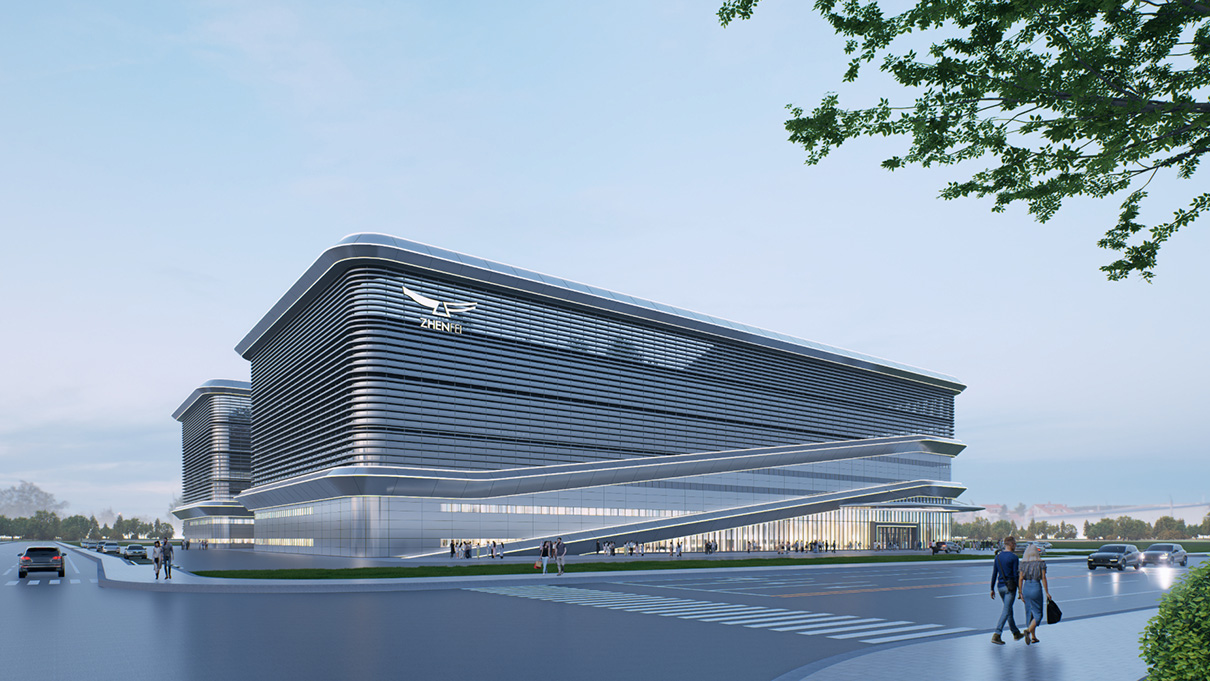
Zhenfei Window Coverings is exactly such a champion, "hidden inside the wall."
Founded in 1991, the company has done one thing for 34 years—window-covering systems. With 500+ employees and a 40,000-square-meter factory, its product range spans roller blinds, venetian blinds, and shading systems. It is a national high-tech enterprise and a veritable hidden champion in this niche, exporting to overseas B2B clients and engineering projects.
But after 34 years, the founder confronted an awkward reality: the more successful the product, the more invisible the brand.
At trade shows, clients compared samples by price, compressing Zhenfei's technical strengths into a single line of specifications. In tendering processes, the window-covering system was just a sub-item in the engineering bill—nobody cared about the manufacturing system behind it.
"Our hardware lets a household's curtains glide smoothly for twenty years," said the company head. "But we have never had the chance to say that sentence in full to a client."
II. The Shop Floor Became the Only Place to Tell the Full Story
The turning point came on an ordinary factory-audit day.
An overseas key client was visiting China on a tight schedule, allotting Zhenfei only half a day. Following convention, the sales team prepared a full deck of slides—history, capacity, test data, certifications.
But on arrival, the client said: "I'll read the slides later. Take me through the shop floor first."
Three hours later, the client emerged from the workshop and, right there in the corridor, confirmed the framework agreement for the coming year. He said something the Zhenfei team remembers to this day:
"Your lab and testing lines are a hundred times more convincing than any slide deck. The problem is, you don't seem to realize it yourselves."
That remark woke the company up: 34 years of accumulated manufacturing capability—raw material inspection, fatigue testing, salt spray testing, cycle-life testing—had always been there, but tucked deep inside the workshop, never staged into a story a client could read smoothly.
The product hides in the walls of millions of homes; the factory becomes the only place where the brand can be seen in full.
III. DACH's Solution: Turning the "Testing Line" into a "Narrative Line"
When DACH Innovation's team came on board, the first task was not drawing plans—it was redefining a question: When a client walks into this factory, at what moment, in what order, and with what evidence should they see, so that they reach the conclusion themselves: "This company can be trusted for twenty years"?
The answer was translated into a roughly 40-minute visitor journey:
Stop 1: Time. The brand wall at the entrance carries no slogans—only 34 years. From the first roller-blind machine in 1991 to the millions of homes served today. Residual parts of old equipment are preserved, creating a contrast with the new production lines.
Stop 2: Limits. The fatigue-testing area was moved to the "golden position" of the journey—clients can watch window-covering systems undergoing tens of thousands of open-close cycles, and see metal parts aging inside accelerated salt spray chambers. "Lasts twenty years" transforms from a sales line into an observable experiment in progress.
Stop 3: Order. The workshop's visual system was comprehensively upgraded: material zoning, process flow, and quality checkpoints expressed through a unified color and signage language. One visitor later remarked: "The sense of order here explains the word 'rigor' without a single word."
Stop 4: Future. The journey ends at the R&D center and sample library—where the trust built over the previous three stops converts into imagination for new orders.
The design principle behind this journey is what DACH's team internally calls "evidence frontloading": don't state conclusions first—let clients assemble the conclusion themselves before they reach the end.
IV. The Compounding Returns of "Being Seen"
After the journey redesign, the changes were quiet but continuous:
Overseas clients' audit pass rates rose markedly, and the order conversion cycle after audits shortened significantly;
Existing clients began bringing new clients to the factory themselves—"A walk around beats anything I could say";
Most unexpectedly, recruiting. Several young engineers said during interviews that after seeing the workshop, "this curtain-hardware company turned out to be way cooler than we imagined."
This is the compounding return of spatial storytelling: it doesn't produce a single curtain, yet it upgrades everyone's judgment of the company—clients, talent, partners—by a full notch.
V. Closing: Invisible Products Need Visible Factories
Chinese manufacturing is full of such companies: their products hide inside machines, deep within engineering works, or in the walls of millions of homes—the substrate of a chip, a pipeline valve, a curtain track. They are accustomed to quietly perfecting their products, but have never learned how to "be seen."
Yet business is ruthless: if you don't proactively present your manufacturing capability, the market will define you by your lowest quote.
Zhenfei's 34 years prove one thing—perfecting the product is step one; turning "the place where the product is made" into the brand's front showroom is step two. Only when both steps are complete does a hidden champion truly earn its name.
Among the 96 manufacturing projects DACH Innovation has served, a substantial share comes from niche champions like this. Their stories differ, but their ask is remarkably consistent:
"Help us turn the goodness that already exists in our factory into goodness that others can understand."
That is the real weight behind the words beautiful and functional.