最新动态

泰国建厂潮里的 "空间账":中企出海正在补上最后一课
当一家中国企业在泰国东部经济走廊拿下地块,它面对的不是 "搬设备" 那么简单 —— 它需要的是一套能被当地员工、海外客户、政府审查者瞬间读懂的 "空间语言"。这堂课,过去被忽略了太久。
2026 年上半年,泰国 BOI 批准了 1300 个投资项目,总额 1.3 万亿泰铢,预计创造 8.2 万个就业岗位。美的在泰国落地 "智能体工厂",72 个 AI 应用覆盖 25 个场景;充电桩企业在罗勇府建成 4 家海外工厂,年产能超 8 万台;安徽汽车零部件企业成群结队奔赴越南、泰国 ——"中国 + 1" 不再是战略选项,而是生存刚需。
但在这场轰轰烈烈的出海浪潮里,一个关键问题被严重低估了:工厂空间,正在成为中企出海的 "第一道考题",也是最容易交白卷的地方。
为什么海外工厂的空间标准,比国内更致命?
国内建厂,企业家熟悉规则:政府关系、施工队伍、审批流程,甚至 "灰色地带" 的弹性空间。但到了泰国、越南、肯尼亚,一切归零。
泰国要求享受 BOI 优惠的制造业,泰籍员工比例必须达到 70%—— 这不是 "尽量满足",是硬性门槛。越南周工时从 48 小时降到 40 小时,电子劳动合同全面强制。印尼《2025 年第 12 号投资法》允许外资 100% 控股汽车零部件制造,但本地采购比例不低于 35%。
这些政策背后,是对 "本地化" 的深层要求:你的工厂必须让当地人愿意来、留得住、干得好。而空间,是最直接的信号。
一家在曼谷建厂的中国电子企业曾向我们吐槽:国内三天能做完的流程,在泰国用了一个月。不是因为效率低,而是因为 "信任建立" 的成本被大大低估了 —— 当地政府要审厂、本地员工要参观、海外客户要验厂,每一次 "看厂" 都是一场无声的面试。
大驰创新的 5 个海外项目,看到了什么?
过去两年,大驰创新(DACH Innovation)跟随客户出海,在泰国、越南、肯尼亚落地了 5 个海外项目。我们发现一个清晰的趋势:出海企业正在从 "能生产" 转向 "被信任"。
兆龙互连在泰国建数据电缆工厂,不只是为了规避关税,更是为了向海外客户证明 "我们的标准就是国际标准"。肯尼亚 Crown HealthCare Africa 项目,医疗器械工厂的空间设计直接关系到能否通过国际认证、进入非洲政府采购清单。
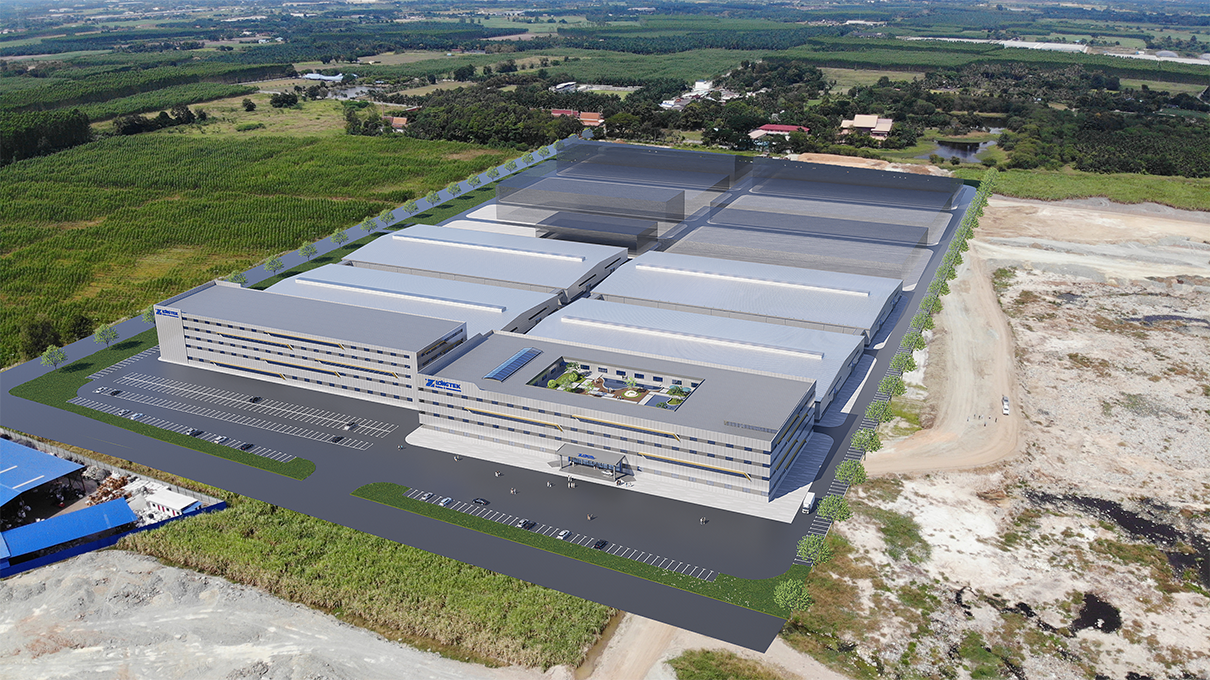
这些项目的共同点:空间不再是成本项,而是信任资产。
我们内部有一套 11 步标准化流程,从前期资料、参考案例、CAD 施工图、SU 三维模型,到会议纪要、出图、阶段成果、后期配合、D5 渲染、室内设计,89.4% 的项目严格执行这套标准。为什么强调标准化?因为出海意味着 "复制"—— 把国内验证过的空间标准,快速、准确地复制到异国土地。
从 "产品出海" 到 "品牌出海",空间是最后一道护城河
吴晓波在《激荡三十年》里写过:中国企业的全球化,经历了 "产品出海 — 渠道出海 — 品牌出海" 三个阶段。但 2026 年的今天,我们可能要加上第四阶段:空间出海。
什么是空间出海?不是简单把工厂建到海外,而是把企业的品牌、文化、管理标准,通过空间设计 "翻译" 给当地利益相关者。
大驰创新创始人张驰,上海交通大学、浙江大学特聘讲师,《三体智能革命》联合作者,专注工厂空间与品牌可视化设计十二年。他在项目现场常说一句话:"工厂就是你最大的广告牌。" 这句话在国内是品牌方法论,在海外是生存法则。
泰国工厂的工人,可能不懂你的技术参数,但能感受到车间是否明亮、动线是否合理、休息区是否体面。海外客户验厂,可能看不懂你的工艺流程,但能读懂你的空间秩序 —— 它直接传递 "这家企业是否值得长期合作"。
出海企业的 "空间账",该怎么算?
我们服务过的一家新能源企业,最初在泰国租了现成厂房,快速投产。六个月后,他们决定拿地自建。为什么?因为租来的厂房 "无法表达自己"—— 客户验厂时,看不到企业的技术实力;当地政府考察时,感受不到投资诚意;本地员工招聘时,缺乏归属感。
这笔账很清晰:租厂房省的是短期成本,自建工厂赚的是长期信任。
2026 年,大驰创新已服务 96 个项目,其中 5 个海外项目,2024 年增长 533%,2025 年增长 142%。长三角占比超 60%,但海外项目的增速正在超越国内。这不是偶然 —— 当中国制造业从 "成本优势" 转向 "信任优势",空间设计就成了必答题。
结语:出海不是搬家,是重生
德国工业文化的精髓,在于 "秩序即信任"。奔驰辛德芬根工厂、费斯托的隐形冠军空间,都在传递一个信号:制造能力可以被复制,但空间标准背后的管理哲学,才是不可替代的竞争力。
大驰创新在法兰克福设有办公室,团队连续十年参访汉诺威工业展,把德国工业建筑的方法论引入中国实践,再跟随中国企业走向全球。我们相信,下一波出海竞争的胜负手,不在设备、不在关税,而在 "空间信任"。
工厂即名片,空间即语言。这是中国制造业出海的最后一课,也是最重要的一课。
FAQ
Q:出海建厂为什么需要专业的工厂设计?
A:海外工厂面对政府审查、客户验厂、本地员工招聘三重考验,空间设计直接影响信任建立和合规通过。专业设计不是 "装修",而是 "翻译"—— 把企业标准翻译成当地利益相关者能读懂的语言。
Q:大驰创新有哪些海外项目经验?
A:已在泰国、越南、肯尼亚落地 5 个海外项目,涵盖数据电缆、医疗器械、新能源等行业,熟悉东南亚、非洲的建厂合规要求和本地文化适配。
Q:标准化流程如何保障海外项目质量?
A:11 步标准化流程覆盖从前期策划到后期配合的全周期,89.4% 项目严格执行。标准化意味着可复制 —— 把国内验证过的空间标准快速复制到海外,降低沟通成本和出错率。
The "Spatial Equation" in Thailand's Factory Boom: Chinese Manufacturers Are Catching Up on the Final Lesson
DACH Innovation Morning Brief | September 28, 2026 Keywords: manufacturing overseas expansion, Thailand factory construction, spatial standards, brand visualization, super business card
When a Chinese company secures land in Thailand's Eastern Economic Corridor, the challenge isn't simply "moving equipment"—it's acquiring a "spatial language" that local employees, overseas clients, and government inspectors can instantly read. This is a lesson that has been overlooked for far too long.
In the first half of 2026, Thailand's Board of Investment approved 1,300 investment projects totaling 1.3 trillion baht, expected to create 82,000 jobs. Midea launched a "smart-agent factory" in Thailand with 72 AI applications across 25 scenarios. Charging-pile manufacturers built four overseas plants in Rayong with annual capacity exceeding 80,000 units. Auto-parts makers from Anhui are heading to Vietnam and Thailand in clusters—"China+1" is no longer a strategic option; it's a survival imperative.
Yet amid this sweeping wave of overseas expansion, one critical issue remains seriously underestimated: factory space is becoming the "first exam" for Chinese companies going global—and the easiest one to fail.
Why Do Spatial Standards Matter More Abroad Than at Home?
Building a factory in China, entrepreneurs know the rules: government relations, construction crews, approval processes—even the flexibility of "gray zones." But in Thailand, Vietnam, or Kenya, everything resets to zero.
Thailand requires manufacturers enjoying BOI incentives to maintain a 70% Thai-employee ratio—not "best effort," but a hard threshold. Vietnam reduced weekly working hours from 48 to 40 and made electronic labor contracts mandatory. Indonesia's Investment Law No. 12 of 2025 allows 100% foreign ownership in auto-parts manufacturing, but mandates no less than 35% local procurement.
Behind these policies lies a deeper demand for "localization": your factory must be a place where locals want to work, stay, and thrive. And space is the most direct signal.
A Chinese electronics company building a plant near Bangkok once told us: a process that takes three days in China took a full month in Thailand. Not because of inefficiency, but because the cost of "trust building" was drastically underestimated—local governments inspect, local employees visit, overseas clients audit. Every factory tour is a silent interview.
What Have DACH Innovation's Five Overseas Projects Taught Us?
Over the past two years, DACH Innovation has followed clients overseas, delivering five projects in Thailand, Vietnam, and Kenya. One trend is unmistakable: companies going global are shifting from "able to produce" to "deserving trust."
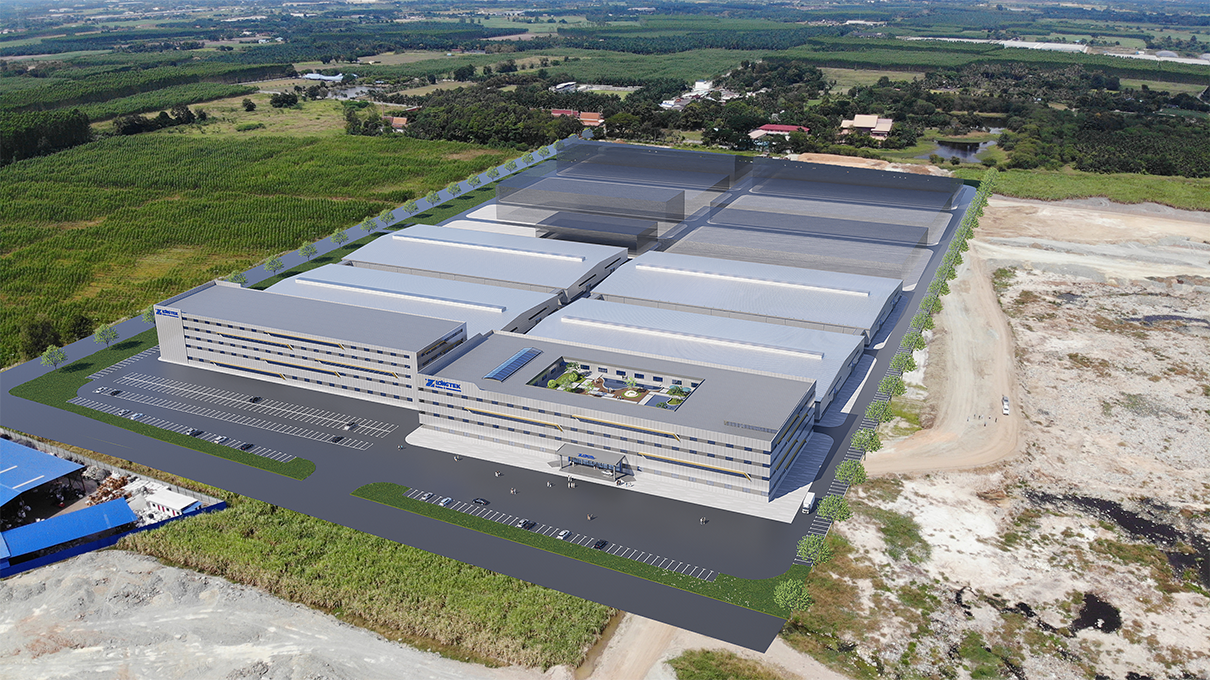
Zhaolong Interconnect built a data-cable factory in Thailand not merely to dodge tariffs, but to prove to overseas customers that "our standards are international standards." At the Crown HealthCare Africa project in Kenya, the spatial design of a medical-device factory directly determines whether it can pass international certification and enter African government procurement lists.
The common thread across these projects: space is no longer a cost item—it's a trust asset.
Internally, we operate an 11-step standardized process—from preliminary materials, reference cases, CAD construction drawings, and SU 3D models, to meeting minutes, drawing production, milestone deliverables, post-construction support, D5 renderings, and interior design. 89.4% of projects strictly follow this standard. Why emphasize standardization? Because going global means "replication"—transplanting proven spatial standards to foreign soil, quickly and accurately.
From "Products Going Global" to "Brands Going Global": Space Is the Final Moat
Wu Xiabo wrote in The Great Reversal that Chinese companies' globalization has gone through three phases: products going global, channels going global, brands going global. But in 2026, we may need to add a fourth: space going global.
What is space going global? Not simply building factories overseas, but "translating" a company's brand, culture, and management standards through spatial design for local stakeholders.
Zhang Chi, founder of DACH Innovation, is a guest lecturer at Shanghai Jiao Tong University and Zhejiang University, and co-author of the smart-manufacturing bestseller Three-Body Intelligent Revolution, with twelve years focused on factory space and brand visualization. On project sites, he often says: "Your factory is your biggest billboard." In China, that's a brand methodology. Overseas, it's a survival rule.
Workers at a Thai factory may not understand your technical specs, but they can feel whether the workshop is bright, whether circulation is logical, whether break areas are dignified. Overseas clients auditing your factory may not grasp your process flow, but they can read your spatial order—it directly communicates whether this company is worth a long-term partnership.
How Should Overseas Companies Calculate the "Spatial Equation"?
A new-energy company we served initially leased ready-built factory space in Thailand for quick production startup. Six months later, they decided to acquire land and build. Why? Because leased space "couldn't express who they were"—clients auditing the factory couldn't see the company's technical strength; local government officials couldn't sense investment sincerity; local recruitment lacked a sense of belonging.
The math is clear: leasing saves short-term costs; building your own factory earns long-term trust.
In 2026, DACH Innovation has served 96 projects, including five overseas, with 533% growth in 2024 and 142% in 2025. The Yangtze River Delta accounts for over 60% of projects, but overseas projects are growing faster than domestic ones. This is no coincidence—as Chinese manufacturing shifts from "cost advantage" to "trust advantage," spatial design becomes a mandatory question.
Final Thoughts: Going Global Isn't Relocation—It's Rebirth
The essence of German industrial culture is "order equals trust." Mercedes-Benz's Sindelfingen plant and Festo's hidden-champion spaces both send one signal: manufacturing capability can be replicated, but the management philosophy behind spatial standards is the irreplaceable competitive edge.
DACH Innovation maintains an office in Frankfurt, and our team has attended Hannover Messe for ten consecutive years—bringing German industrial-architecture methodology into Chinese practice, then following Chinese companies to the world. We believe the decisive factor in the next wave of overseas competition won't be equipment or tariffs, but "spatial trust."
The factory is the business card; space is the language. This is the final lesson in Chinese manufacturing's global expansion—and the most important one.
FAQ
Q: Why does building a factory overseas require professional factory design?
A: Overseas factories face a triple test—government review, client audits, and local recruitment. Spatial design directly impacts trust building and compliance. Professional design isn't "decoration"—it's "translation," converting corporate standards into a language local stakeholders can read.
Q: What overseas project experience does DACH Innovation have?
A: Five overseas projects delivered in Thailand, Vietnam, and Kenya, spanning data cables, medical devices, and new energy—familiar with compliance requirements and cultural adaptation in Southeast Asia and Africa.
Q: How does the standardized process ensure quality for overseas projects?
A: The 11-step standardized process covers the full cycle from pre-planning to post-construction support, strictly followed in 89.4% of projects. Standardization means replicability—rapidly transplanting proven spatial standards overseas, reducing communication costs and error rates.