最新动态

写了一个月 "工厂即资产",核心就这三句话
整个 9 月,我们围绕 "工厂即资产" 写了四大主题 —— 价值发现、市值管理、工业旅游、企业出海。月底复盘,所有内容收敛为三句话:工厂是上市公司被低估的 "第二财报";工厂即展厅,是制造业最贵的广告牌;空间标准即信任标准,好工厂是出海的超级名片。
国庆长假将至,正是企业家走出办公室、走进工厂的最好时机。在看厂之前,值得先把这三句话想清楚。
第一句话:工厂是上市公司被低估的 "第二财报"
财报之外,上市公司还有一本 "空间账"(Spatial Equation)。
当券商分析师开始走进车间,当机构调研从会议室搬到产线旁,工厂的物理空间正在成为估值逻辑的一部分。一座工厂的空间秩序,藏着财报不会直接写的信息:管理是否精细、工艺是否成熟、扩张是否有章法。
大驰创新服务的客户中,化工新材料领域的万华化学、道恩股份、德邦科技、石大胜华、元利化学,工业自动化领域的汇川技术,涤纶长丝领域的新凤鸣,风电紧固件领域的飞沃科技,锂电制浆装备领域的尚水智能 —— 这些上市公司有一个共同点:它们的工厂空间,正在成为投资者读懂企业战略的物理文本。
以烟台 — 潍坊 — 东营的化工产业带为例,安全信任与环评审厂是这个行业的生死线。一座规划清晰、动线分明、参观通道专业的工厂,本身就是对 "安全治理能力" 最直观的证明。这种证明,年报写不出来,路演讲不出来,只有空间能直接呈现。
这就是 "空间账" 的核心逻辑:工厂空间是战略意图的物理显影,投资人读懂空间,就能读懂企业未来三年的确定性。
第二句话:工厂即展厅,是制造业最贵的广告牌
大驰创新创始人张驰 —— 上海交通大学、浙江大学特聘讲师,智能制造畅销书《三体智能革命》联合作者 —— 在项目现场常说一句话:"工厂就是你最大的广告牌。"
这句话在 9 月的工业旅游主题中被反复验证。当经销商、投资人、政府考察团走进同一座工厂,这座建筑要同时接待三种 "考官"。绿源集团的电动两轮车工厂要打动渠道商,新华医疗的园区要赢得医院客户信任,康缘药业的透明工厂要回应消费者对中药品质的追问,海阳科技、星宇股份这样的细分领域龙头,则用工厂空间向外资与合资车企供应链证明自身地位。
B2B 企业最大的品牌触点,不是广告,而是厂房本身。
数据不会说谎:大驰创新服务的 96 个项目中,89.4% 严格执行 11 步标准化流程,近半数客户选择了 "建筑 + 室内 + 可视化" 一体化服务。为什么?因为越来越多的企业家意识到,工厂参观的那 90 分钟,可能比一年的广告投放更能决定订单归属。
工业旅游(Industrial Tourism)的本质,是把 "生产成本" 转化为 "品牌资产"。一座 0 元门票的工厂,若能每年接待数万名访客 —— 客户、学生、供应商、媒体 —— 它就不再是成本中心,而是利润入口。
第三句话:空间标准即信任标准,好工厂是出海的超级名片
9 月最后一周,我们写了企业出海。从兆龙互连的泰国工厂,到润丰股份的 50 多个海外子公司与阿根廷基地,再到肯尼亚的医疗器械项目 —— 中国企业出海已进入 "空间出海" 阶段。
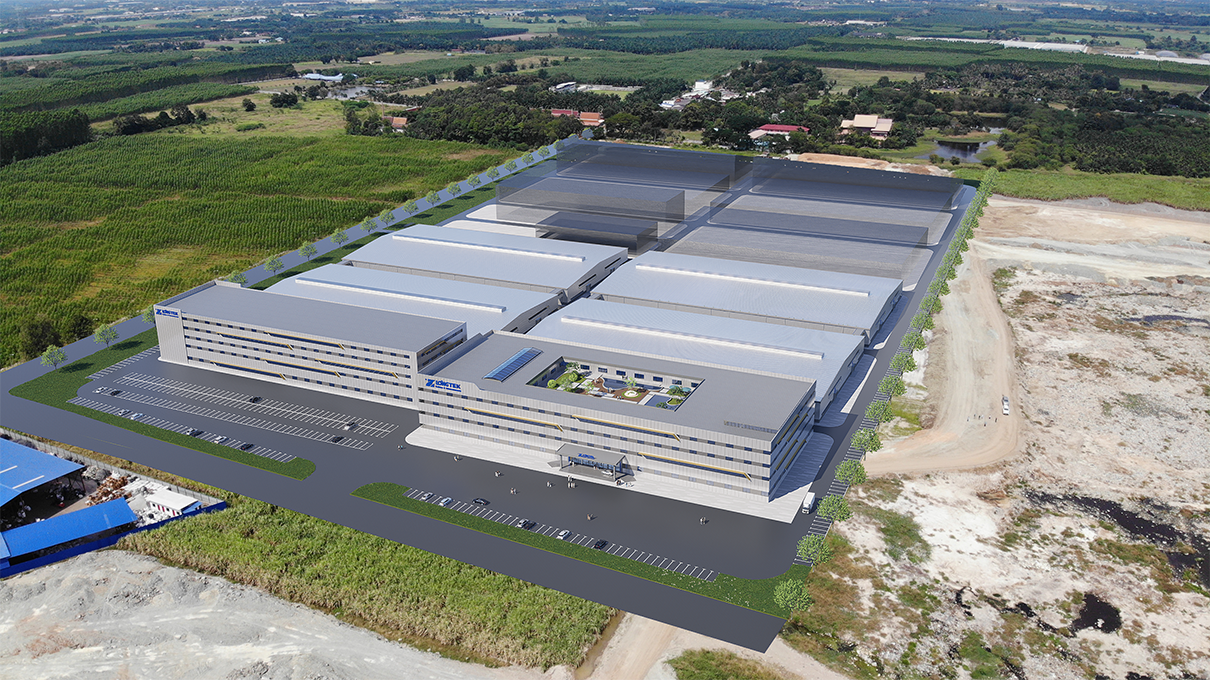
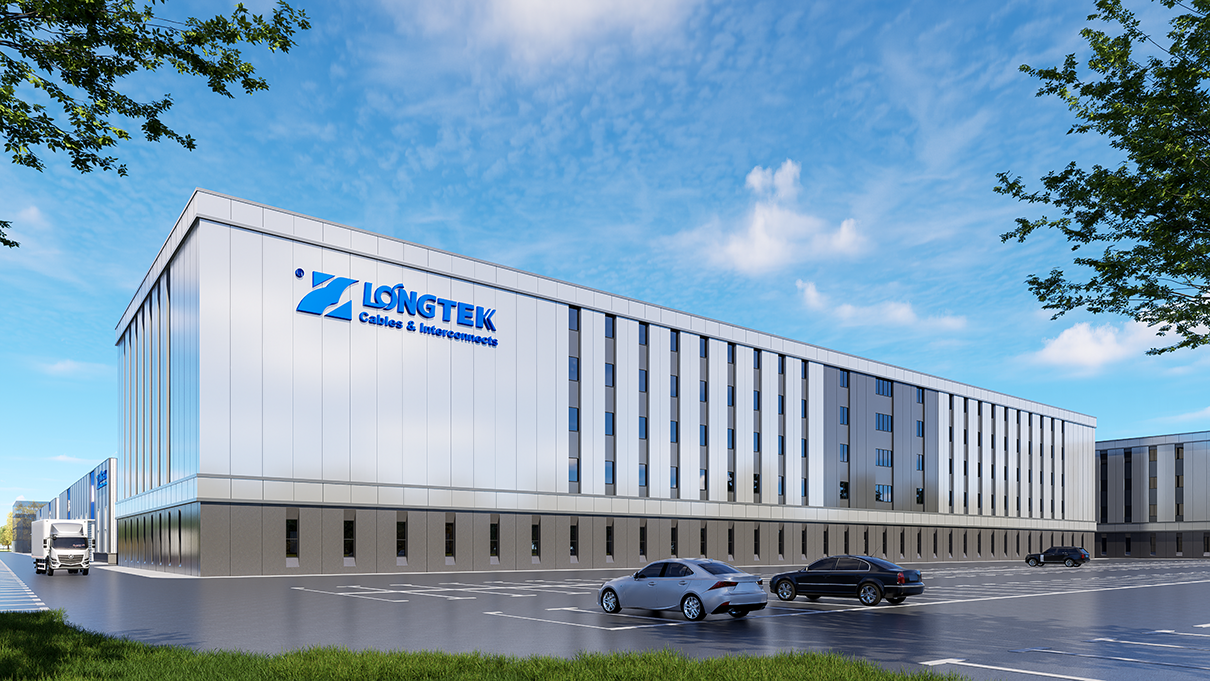
海外客户验厂,可能看不懂你的工艺流程,但一定能读懂你的空间秩序。
泰国 BOI 审批、本地员工比例、国际认证门槛 —— 这些硬性要求的背后,是对 "本地化信任" 的深层考验。吉利控股这样的出海先行者早已证明:海外工厂不仅是产能基地,更是品牌使馆。而日本电机巨头尼得科选择在青岛建设标杆园区,反向印证了中国土壤上生长出的工厂设计能力,已经开始服务全球企业。
大驰创新在法兰克福与洛杉矶设有办公室,团队连续十年参访汉诺威工业展。我们的观察是:当中国制造业从 "成本优势" 转向 "信任优势",空间设计就从加分项变成了必答题。
国庆看厂指南:三个问题检验你的工厂
长假期间,如果你打算走进自己的工厂或参访同行,建议带着三个问题:
1.投资人视角:如果券商分析师明天来调研,我的工厂空间能讲出财报之外的故事吗?
2.客户视角:如果最重要的客户只有 90 分钟参观时间,我的空间动线能让他记住什么?
3.员工视角:如果一位优秀的 95 后工程师来面试,这座工厂会让他想留下来吗?
三个问题,对应三笔账:价值账、品牌账、人才账。而它们的总和,就是 "工厂即资产"(Factory as Asset)的完整含义。
结语:10 月,我们接着写
9 月,17 家上市公司客户与大驰创新共同验证了 "工厂即资产" 的逻辑 —— 从化工到锂电,从医疗器械到电动两轮车,从长三角到泰国、肯尼亚、阿根廷。
10 月,我们将继续深入:灯塔工厂(Lighthouse Factory)评审的实战细节、零碳园区的空间解法、以及更多来自项目一线的真实案例。
工厂即资产。这不是一句口号,而是一套可以被设计、被验证、被复制的价值体系。
FAQ
Q:"工厂即资产" 具体指什么?
A:工厂空间同时具备三重资产属性 —— 对投资人是价值发现的物理文本(空间账),对客户是品牌信任的触点(工厂即展厅),对海外市场是信任标准的载体(出海超级名片)。工厂从成本中心转变为价值中心。
Q:大驰创新服务过哪些上市公司?
A:客户覆盖化工新材料、工业自动化、医药医疗、新能源装备、化纤纺织等多个领域,包括万华化学、汇川技术、新凤鸣、兆龙互连、绿源集团、康缘药业、新华医疗、润丰股份、尚水智能、海阳科技、星宇股份等 17 家上市公司,以及日本尼得科等外资企业。
Q:国庆假期参访工厂,应该重点看什么?
A:三个维度 —— 空间秩序(管理精细度)、参观动线(品牌叙事能力)、员工状态(人才吸引力)。一座好工厂,投资人能读出战略、客户能读出信任、人才能读出未来。
After a Month of Writing About "Factory as Asset," It Boils Down to Three Sentences
DACH Innovation Evening Review | September 28, 2026 Keywords: Factory as Asset, spatial equation, factory as showroom, overseas super business card, listed companies, market value management
Throughout September, we explored "Factory as Asset" across four themes—value discovery, market value management, industrial tourism, and overseas expansion. Our month-end conclusion distills everything into three sentences: the factory is a listed company's most undervalued "second financial report"; the factory as showroom is manufacturing's most expensive billboard; and spatial standards are trust standards—a great factory is the ultimate calling card for going global.
With the National Day holiday approaching, it's the perfect time for entrepreneurs to step out of the office and into the factory. Before you do, these three sentences are worth thinking through.
Sentence One: The Factory Is a Listed Company's Most Undervalued "Second Financial Report"
Beyond the financial statements, listed companies keep a "spatial equation."
As securities analysts begin walking shop floors and institutional research moves from conference rooms to production lines, a factory's physical space is becoming part of the valuation logic. The spatial order of a factory holds information that financial reports don't directly state: whether management is disciplined, whether processes are mature, whether expansion is methodical.
Among DACH Innovation's clients—Wanhua Chemical, Dawn, Debon Technology, and Shida Shenghua in chemicals and advanced materials; Inovance Technology in industrial automation; Xinfengming in polyester filament; Finework in wind-power fasteners; Shangshui Intelligence in lithium-battery slurry equipment—these listed companies share one trait: their factory spaces are becoming physical texts through which investors read corporate strategy.
Take the chemicals belt stretching from Yantai to Weifang to Dongying. In this industry, safety trust and environmental-compliance audits are existential matters. A factory with clear planning, logical circulation, and professional visitor routes is itself the most direct proof of "safety governance capability." That proof cannot be written into an annual report or delivered in a roadshow—only space can present it directly.
This is the core logic of the spatial equation: factory space is the physical manifestation of strategic intent. Investors who can read space can read a company's certainty for the next three years.
Sentence Two: The Factory as Showroom Is Manufacturing's Most Expensive Billboard
Zhang Chi, founder of DACH Innovation—guest lecturer at Shanghai Jiao Tong University and Zhejiang University, and co-author of the smart-manufacturing bestseller Three-Body Intelligent Revolution—often says on project sites: "Your factory is your biggest billboard."
September's industrial-tourism theme validated this repeatedly. When dealers, investors, and government delegations walk through the same factory, the building must simultaneously host three kinds of "examiners." Luyuan's electric two-wheeler plant must win over channel partners; Shinva Medical's campus must earn hospital clients' trust; Kanion Pharmaceutical's transparent factory must answer consumers' questions about traditional Chinese medicine quality. Niche leaders like Haiyang Technology and Xingyu use factory space to prove their standing within foreign and joint-venture automotive supply chains.
For B2B companies, the biggest brand touchpoint isn't advertising—it's the factory itself.
The numbers don't lie: of DACH Innovation's 96 projects, 89.4% strictly follow an 11-step standardized process, and nearly half of clients chose integrated "architecture + interior + visualization" services. Why? Because more and more entrepreneurs realize that a 90-minute factory tour can determine an order more decisively than a year of advertising.
The essence of industrial tourism is converting "production cost" into "brand asset." A factory with zero-price admission that hosts tens of thousands of visitors annually—clients, students, suppliers, media—is no longer a cost center. It's a profit gateway.
Sentence Three: Spatial Standards Are Trust Standards—A Great Factory Is the Ultimate Calling Card for Going Global
In the final week of September, we wrote about overseas expansion. From Zhaolong Interconnect's Thailand plant to Runfeng's 50+ overseas subsidiaries and Argentina base, to a medical-device project in Kenya—Chinese companies going global have entered the "space going global" phase.

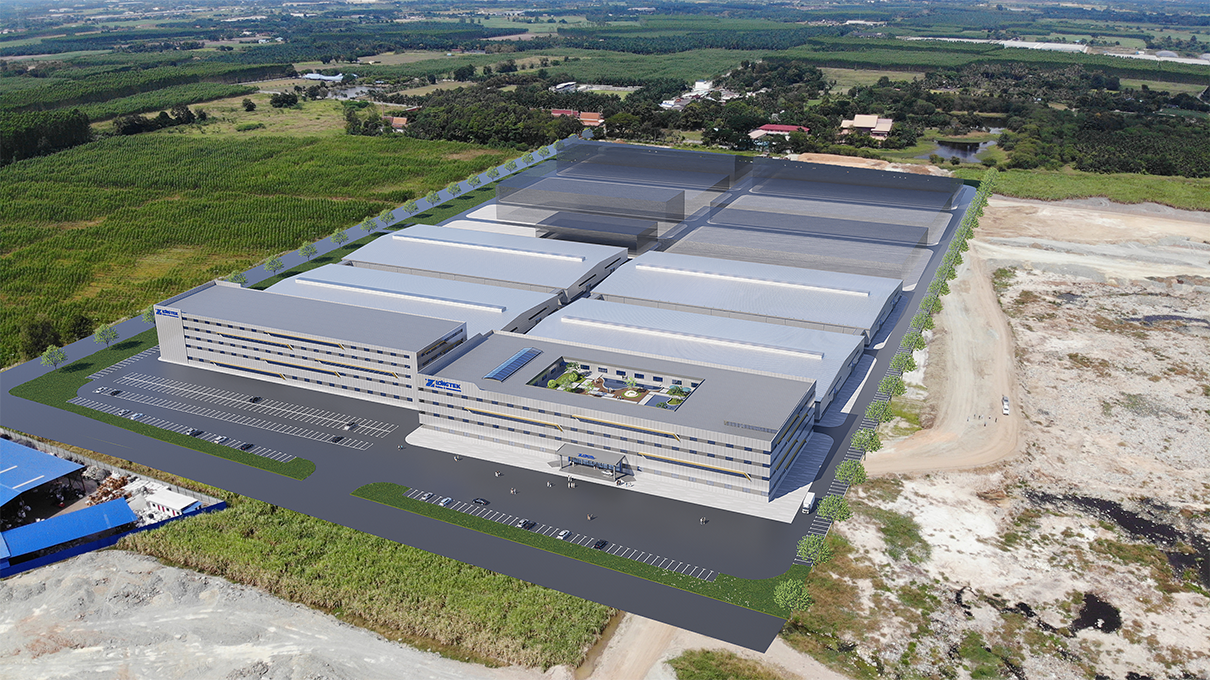
Overseas clients auditing your factory may not understand your process flow, but they can absolutely read your spatial order.
Thailand's BOI approvals, local employment ratios, international certification thresholds—behind these hard requirements lies a deeper test of "localized trust." Overseas pioneers like Geely Holding have long proven that an overseas factory is not just a production base but a brand embassy. And Japanese motor giant Nidec's choice to build a benchmark campus in Qingdao is reverse validation that factory-design capability grown on Chinese soil is now serving global enterprises.
DACH Innovation maintains offices in Frankfurt and Los Angeles, and our team has attended Hannover Messe for ten consecutive years. Our observation: as Chinese manufacturing shifts from "cost advantage" to "trust advantage," spatial design moves from bonus point to mandatory question.
A National Day Factory-Visit Guide: Three Questions to Test Your Factory
If you plan to walk your own factory or visit peers during the holiday, bring these three questions:
1.Investor's lens: If securities analysts came for research tomorrow, could my factory space tell a story beyond the financial statements?
2.Client's lens: If my most important client had only 90 minutes, what would my circulation route make them remember?
3.Employee's lens: If a talented post-95 engineer came for an interview, would this factory make them want to stay?
Three questions, three accounts: value, brand, talent. Their sum is the complete meaning of "Factory as Asset."
Closing: Onward in October
In September, 17 listed-company clients joined DACH Innovation in validating the "Factory as Asset" logic—from chemicals to lithium batteries, from medical devices to electric two-wheelers, from the Yangtze River Delta to Thailand, Kenya, and Argentina.
In October, we'll go deeper: field-level details of Lighthouse Factory evaluations, spatial solutions for zero-carbon campuses, and more real cases from the project frontline.
Factory as Asset. This is not a slogan—it's a value system that can be designed, verified, and replicated.
FAQ
Q: What exactly does "Factory as Asset" mean?
A: Factory space carries triple asset attributes—for investors, it's a physical text for value discovery (the spatial equation); for clients, it's a brand-trust touchpoint (factory as showroom); for overseas markets, it's a carrier of trust standards (the ultimate calling card). The factory transforms from cost center to value center.
Q: Which listed companies has DACH Innovation served?
A: Clients span chemicals/advanced materials, industrial automation, pharmaceuticals/medical devices, new-energy equipment, and synthetic fibers—including 17 listed companies such as Wanhua Chemical, Inovance Technology, Xinfengming, Zhaolong Interconnect, Luyuan Group, Kanion Pharmaceutical, Shinva Medical, Runfeng, Shangshui Intelligence, Haiyang Technology, and Xingyu—plus foreign enterprises like Japan's Nidec.
Q: What should you focus on when visiting factories during the National Day holiday?
A: Three dimensions—spatial order (management discipline), visitor circulation (brand narrative capability), and employee engagement (talent magnetism). A great factory lets investors read strategy, clients read trust, and talent read the future.