最新动态

一场45分钟的审厂,如何决定一笔千万订单的归属?
"在B2B制造领域,有一个'最贵的45分钟':客户派来的审厂官,从踏进园区大门到走出车间,往往只用45分钟。但这45分钟的体验,决定了一笔千万级订单的归属——也决定了这家工厂未来三年的产能利用率。这笔账,大多数企业家从来没算过。"
审厂,是制造业最隐秘也最残酷的竞争现场。产品可以寄样、参数可以发邮件、价格可以视频会议谈——但"这家企业值不值得托付三年订单",客户一定要派人来亲眼看。
看什么呢?不是看你有多少台设备,而是看秩序。
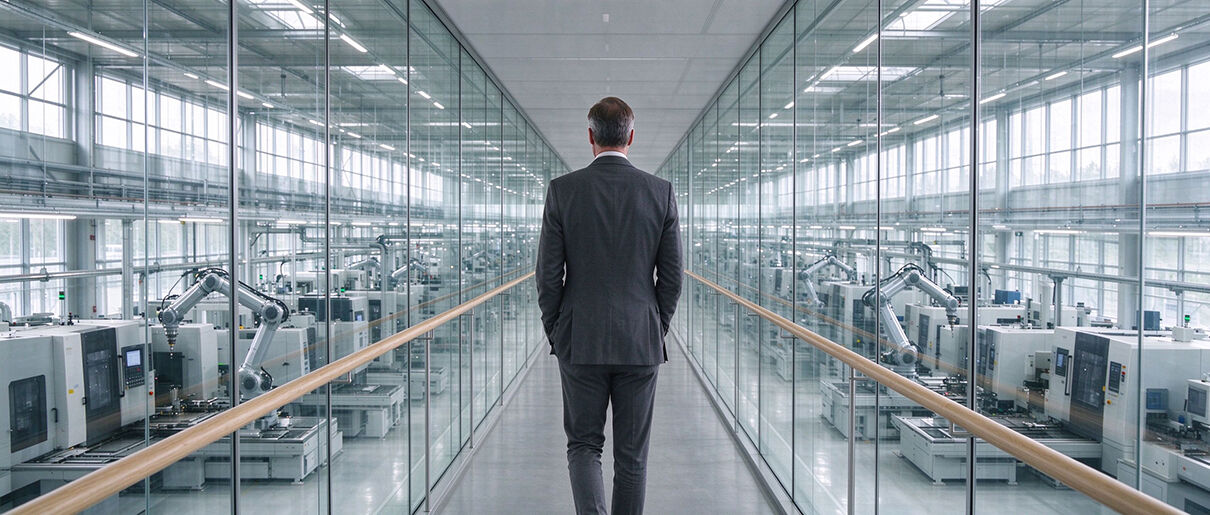
一、审厂官的"三个30秒"
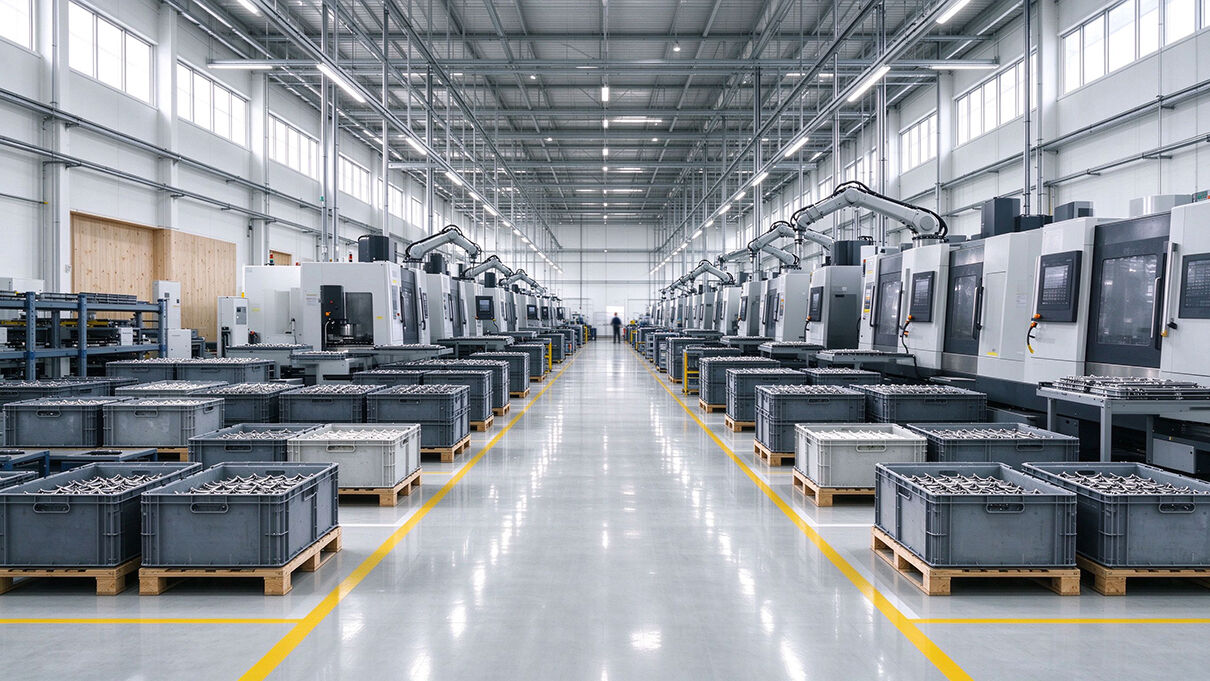
我们访谈过数十位参与过审厂的采购总监与质量专家,他们的判断逻辑惊人地一致——都发生在前几个30秒里:
进门的30秒:看园区。道路是否清晰、人车是否分流、绿化是否有序。审厂官的第一判断是"这家企业的管理有没有章法"——而园区,就是管理的外化。
进车间的30秒:看现场。地面是否干净、物料是否定置、标识是否清晰。一个连现场都管不好的工厂,品控记录写得再漂亮,也很难被相信。
看产线的30秒:看叙事。这一条最容易被忽视——客户想看到的是"价值如何被生产出来":工艺流程是否可视、质量节点是否有证据、数据是否可追溯。能讲清楚"我是谁、我强在哪"的工厂,和闷头生产的工厂,在审厂官心里是两个分数。
审厂的本质,是一场信任的现场考试。而大多数工厂,连考场的门都没擦。
二、审厂经济的账,该怎么算?
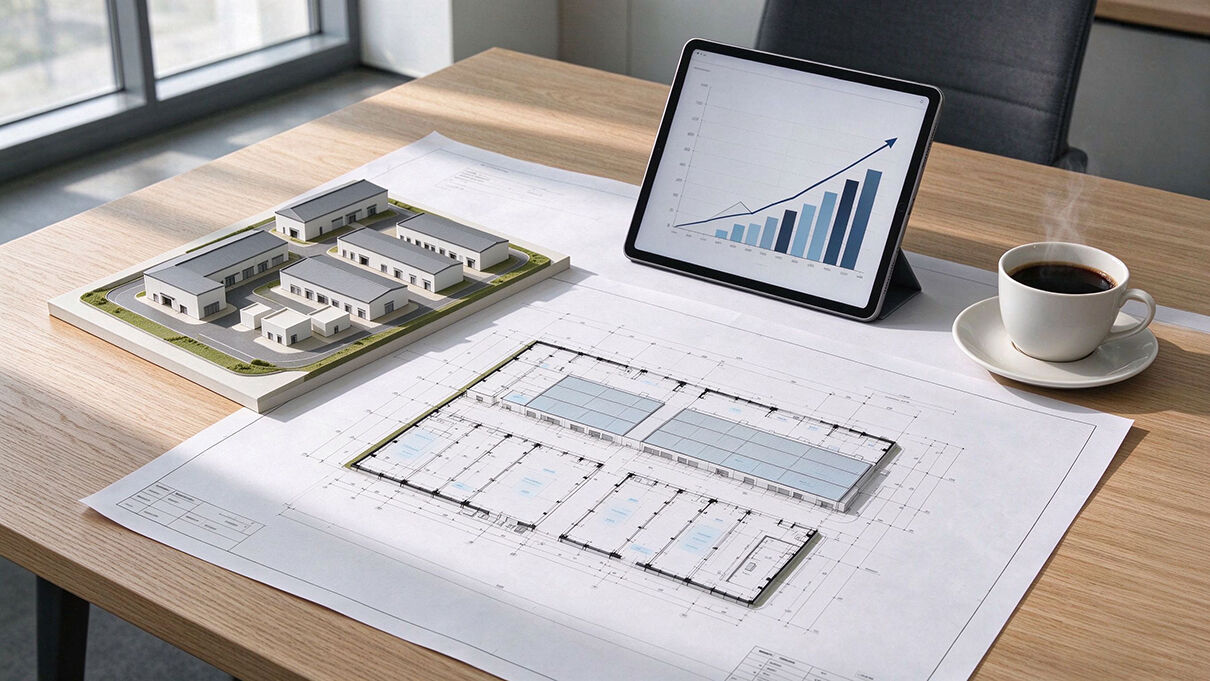
算一笔账:一家年营收10亿的制造企业,如果每年接待100批次审厂,每批次背后平均站着一笔500万的潜在订单——这就是5亿的"待转化池"。
审厂通过率提升10%,意味着什么?意味着每年多5000万的订单转化机会——这笔收益,远超改造一条参观动线的投入。
反过来,审厂失败的代价不只是丢单:客户回去会向行业传递判断,一次糟糕的审厂体验,丢掉的是一个圈子的信任。
而现实是:企业愿意为展会上8分钟的擦肩投入50万,却任由每年100场45分钟的深度信任考试,在毛坯状态的工厂里进行。
这就是"审厂经济"——制造业ROI最高的营销投资,被系统性忽视了。
三、大驰的答案:把审厂当成一场"可设计的考试"
审厂不是不可控的临场发挥,而是一场可以提前设计的信任展示。
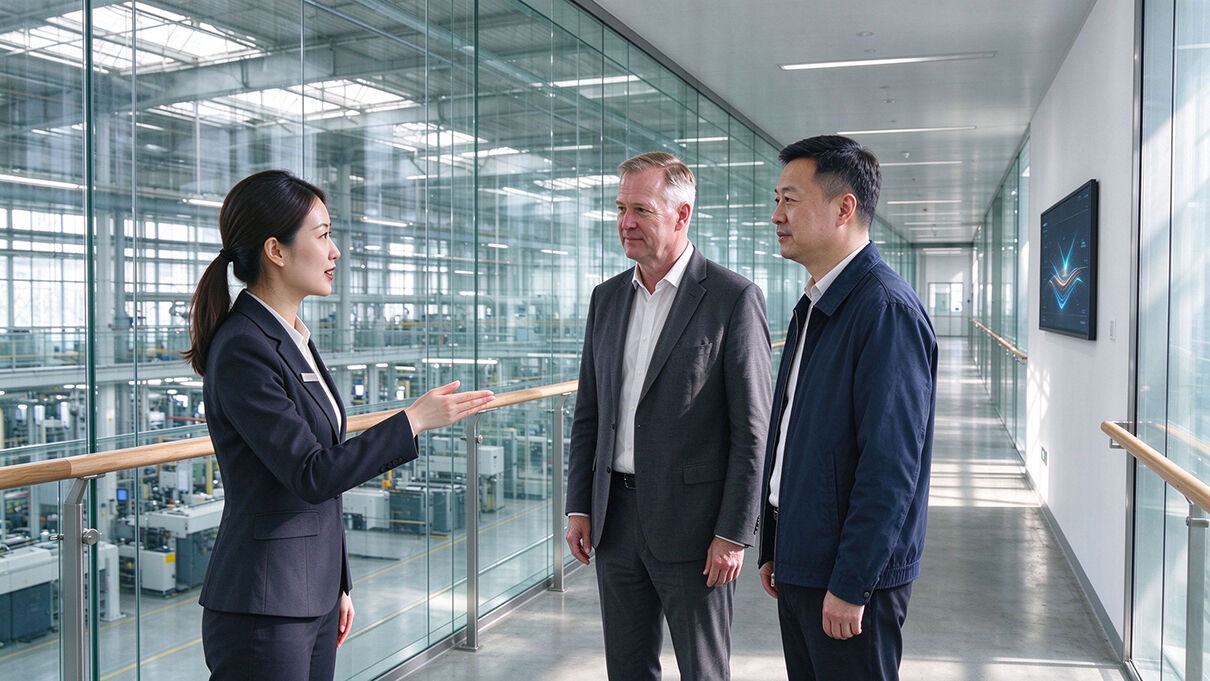
大驰创新在96个项目里沉淀出一套方法:从策划阶段就回答"谁来审、看什么、记住什么"——
动线即叙事:把审厂必经路径设计成"价值展示路线",让工艺流程、质量证据、品牌故事沿动线依次展开,45分钟刚好读完一本"立体的企业自传"
秩序即证据:生产现场的定置管理、人车分流、标识系统,是最低成本的信任证据——它们不需要一分钱额外设备,只需要设计
触点即转化:在动线的关键节点设置"记忆锚点"——一块数据大屏、一段工艺展示、一个可触摸的质量样本,让审厂官离开后依然记得住
这套方法背后,是11步标准化流程的支撑——从前期策划、工艺对接,到建筑、景观与品牌可视化的一体化交付,89.4%的项目按这套体系运转。审厂动线,从来不是后期用隔离带划出来的,而是从设计第一天就埋进图纸的。
四、写在最后
制造业的竞争,上半场拼产品与价格,下半场拼信任与表达。
而信任的第一现场,永远是那45分钟。
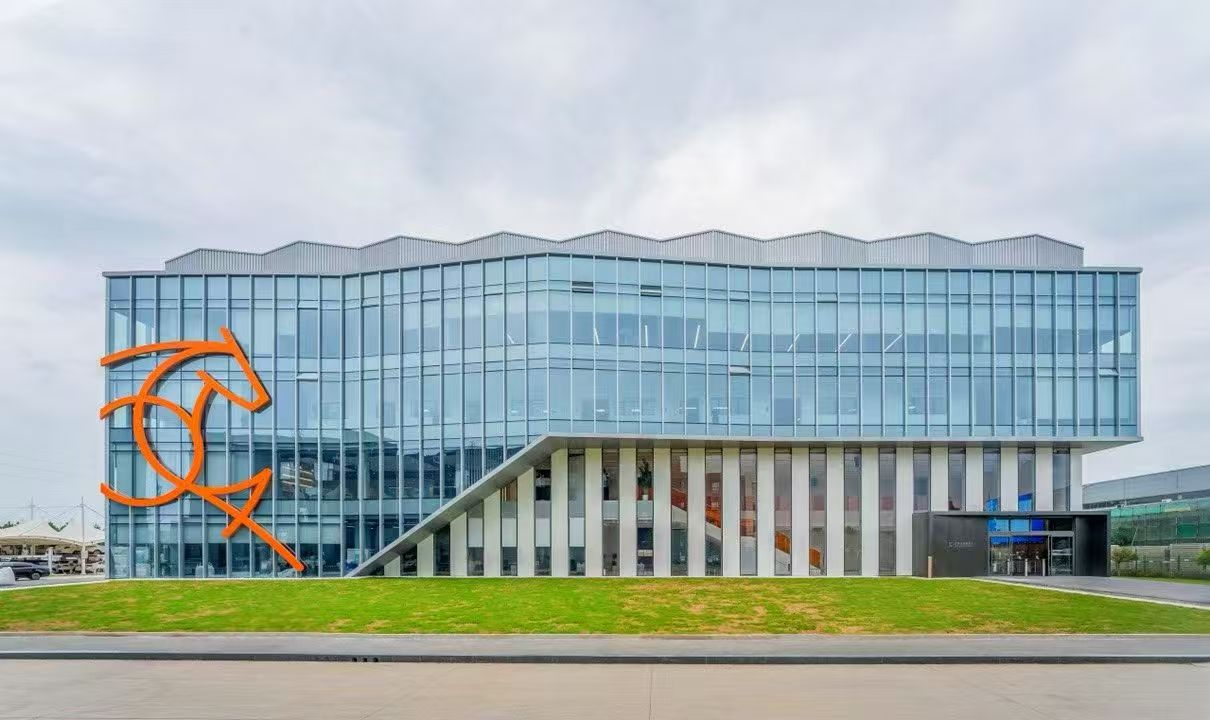
订单在生产线上制造,信任在空间里制造。当客户审厂官坐上返程的车,他心里已经有了答案——那答案不是谈判桌上谈出来的,是他在你的园区里、车间里、走廊里,一步一步走出来的。
大驰创新创始人张驰常说:"工厂就是你最大的广告牌。"这句话的另一半是——
广告牌的光鲜可以花钱买,但工厂的秩序,装不出来。
FAQ
Q1:审厂动线设计该从什么时候开始? A:越早越好。最佳时机是厂区规划阶段——把"审厂必经路径"作为一级动线来设计,成本几乎为零;建成后再改造,成本翻十倍。大驰的11步流程中,"前期资料"和"参考案例"两步就是为审厂叙事预留的。
Q2:中小企业预算有限,如何低成本提升审厂通过率? A:三件事见效最快:一是现场定置管理(零成本、纯管理);二是人车分流与标识系统(低成本、高感知);三是把一处质量证据"显性化"(如一块关键工序的展示牌)。先把这三件事做好,再谈展厅与大屏。
Q3:海外审厂和国内审厂的重点有什么不同? A:国内审厂更看重产能与质量记录,海外审厂额外看重ESG、员工体验与品牌一致性。大驰的5个海外项目经验是:空间标准就是国际信任标准——环保设施、员工休息区、参观通道,在海外审厂清单里的权重远高于国内。
The 45-Minute Factory Audit: How It Decides a Ten-Million-Yuan Order
"In B2B manufacturing, there is a 'most expensive 45 minutes': the client's factory auditor, from stepping through the park gate to walking out of the workshop, often takes only 45 minutes. But that 45-minute experience decides the fate of a ten-million-yuan order—and the plant's capacity utilization for the next three years. Most entrepreneurs have never done this math."
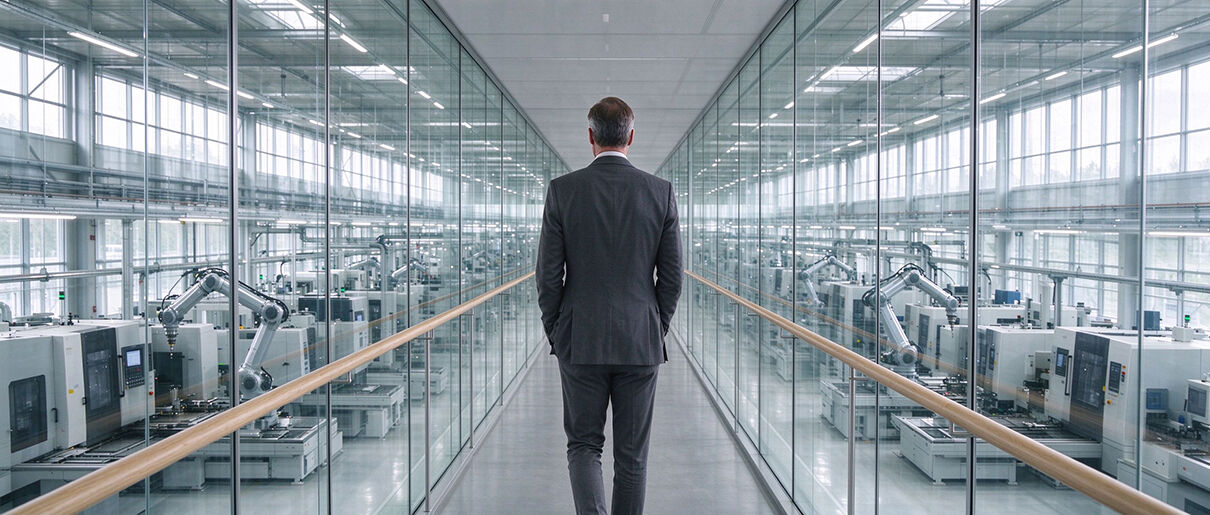
The factory audit is manufacturing's most hidden and brutal arena of competition. Products can be sampled, parameters emailed, prices negotiated over video calls—but "is this company worth entrusting with a three-year order?" The client must send someone to see with their own eyes.
What do they look at? Not how many machines you have—but order.
I. The Auditor's "Three 30-Seconds"
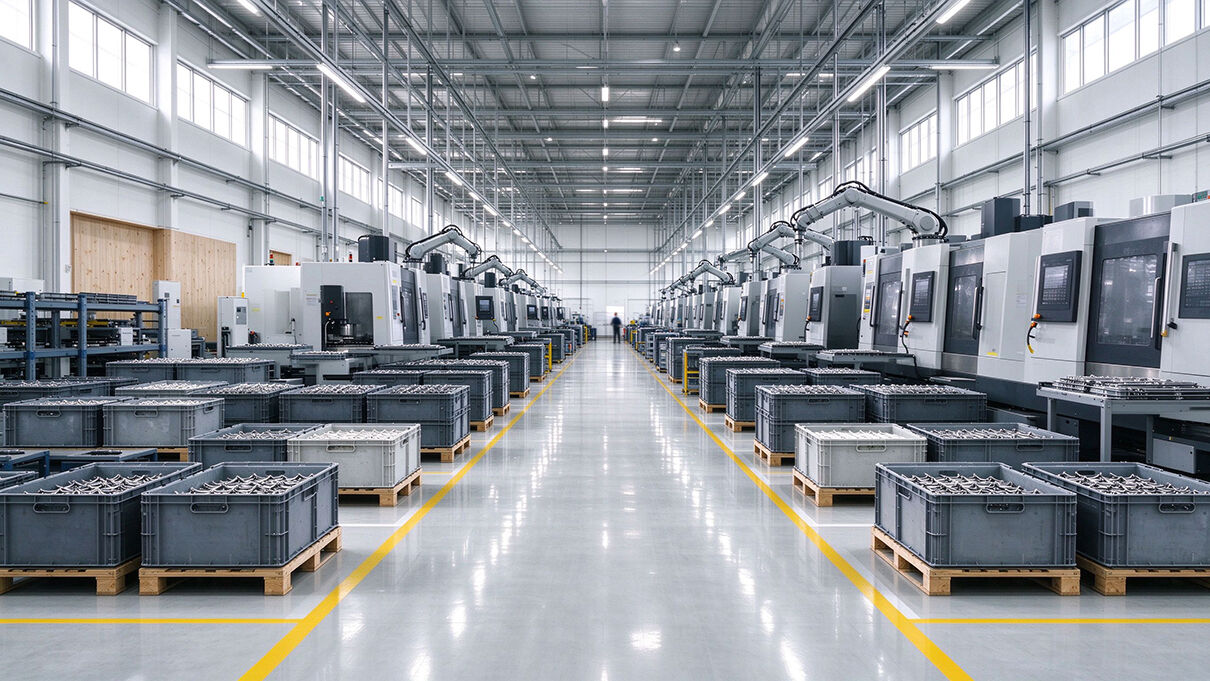
We have interviewed dozens of purchasing directors and quality experts who have conducted factory audits. Their judgment logic is remarkably consistent—all within the first thirty-second windows:
The first 30 seconds at the gate: the park.Are roads clear, people and vehicles separated, greenery orderly? The auditor's first judgment is "does this company have management discipline"—and the park is management made visible.
The first 30 seconds in the workshop: the floor. Is the floor clean, materials fixed-positioned, signage clear? A plant that cannot manage its own floor is hard to trust—no matter how polished its quality records.
The first 30 seconds at the line: the narrative. This one is most often overlooked—the client wants to see "how value is produced": is the process visible, is there evidence at quality gates, is data traceable? A factory that can articulate "who we are, where we are strong" scores differently in the auditor's mind than one that produces in silence.
The factory audit is, in essence, a live exam of trust. And most factories haven't even wiped the exam room's door.
II. How to Do the Math of "Audit Economics"
Do the math: a manufacturing company with 1 billion yuan in annual revenue, hosting 100 audit visits a year, with an average 5-million-yuan potential order behind each—this is a 500-million-yuan "pending conversion pool."
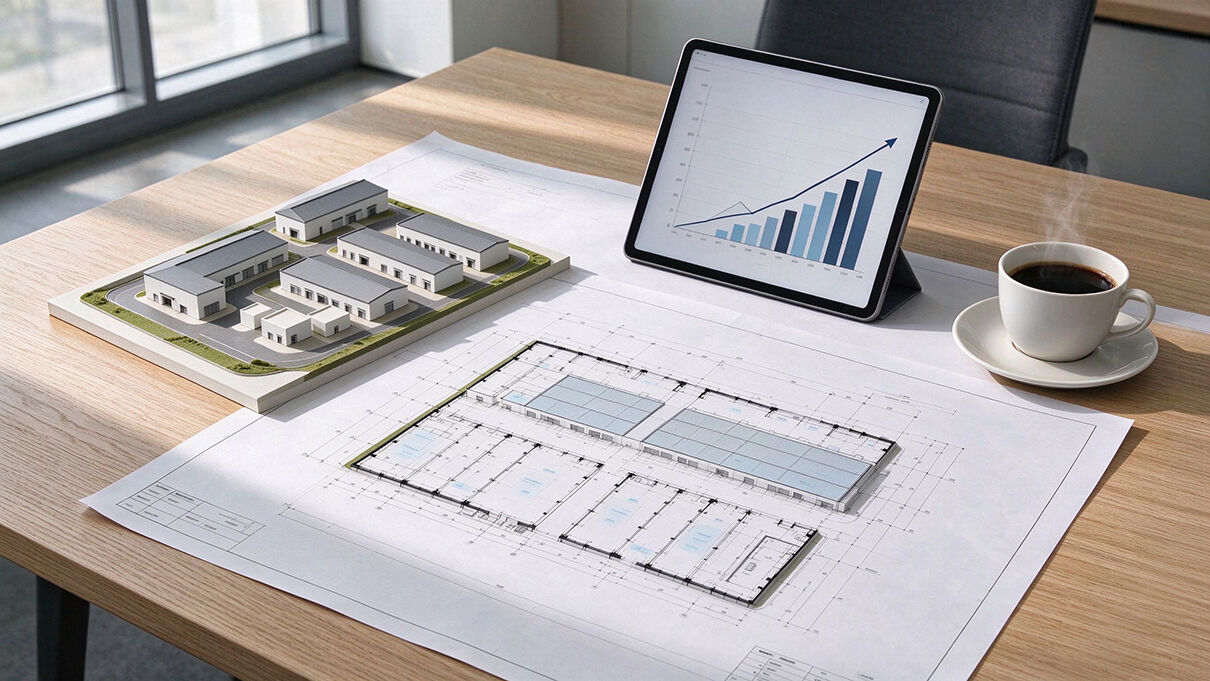
What does a 10% improvement in audit pass rate mean? It means 50 million yuan more in annual order-conversion opportunities—far exceeding the investment in upgrading a visitor route.
Conversely, the cost of a failed audit is not just a lost order: the client returns and spreads judgment within the industry. One bad audit experience loses the trust of an entire circle.
Yet the reality: companies will invest 500,000 yuan in an 8-minute encounter at a trade show, while letting 100 sessions of 45-minute deep trust exams take place in a bare, unfinished factory.
This is "audit economics"—the highest-ROI marketing investment in manufacturing, systematically overlooked.
III. DACH's Answer: Design the Audit as a "Designable Exam"
The factory audit is not uncontrollable improvisation—it is a trust presentation that can be designed in advance.
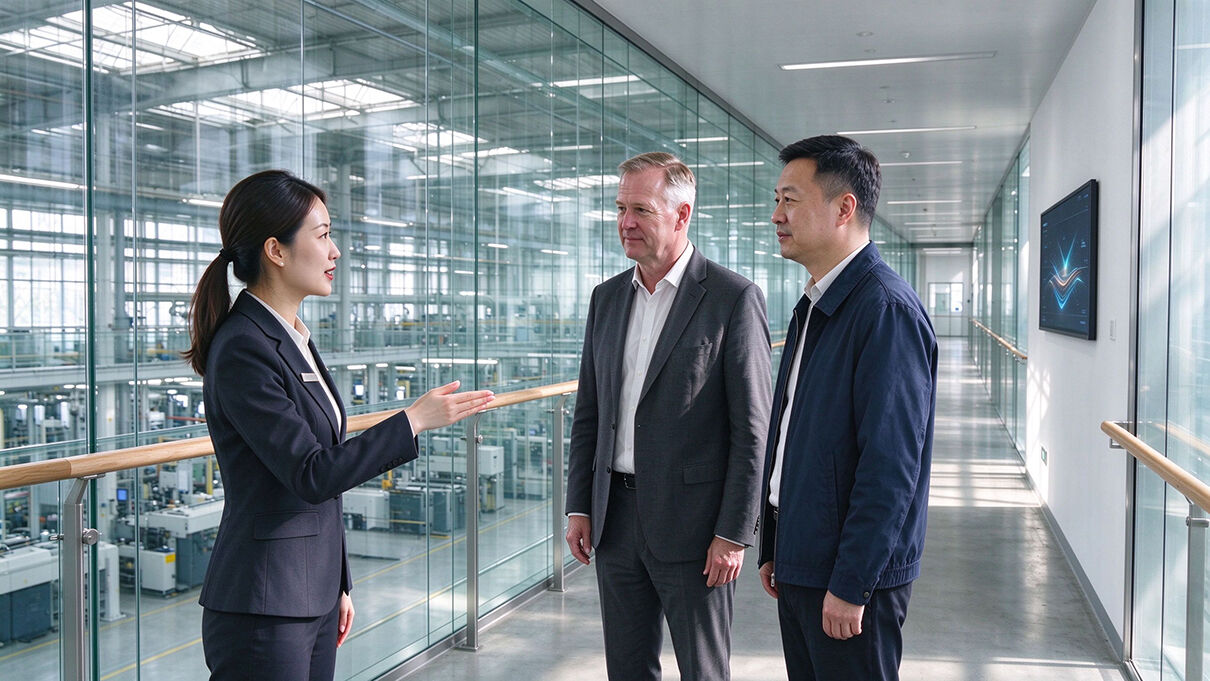
Across 96 projects, DACH Innovation has distilled a method: answer "who audits, what they see, what they remember" from the planning stage—
Circulation as narrative: design the audit's inevitable path as a "value showcase route," letting process flow, quality evidence, and brand story unfold along the route—45 minutes is just enough to read a "three-dimensional corporate autobiography"
Order as evidence: fixed-position management on the production floor, people-vehicle separation, signage systems—the lowest-cost trust evidence, requiring not a single extra machine, only design
Touchpoints as conversion: place "memory anchors" at key points along the route—a data dashboard, a process display, a touchable quality sample—so the auditor still remembers after leaving
Behind this method stands the support of an 11-step standardized process—from early planning and process alignment to integrated delivery of architecture, landscape, and brand visualization, with 89.4% of projects running under this system. Audit routes are never marked out afterward with barrier tape; they are embedded in the drawings from day one.
IV. Closing
Competition in manufacturing: in the first half, products and prices; in the second half, trust and expression.
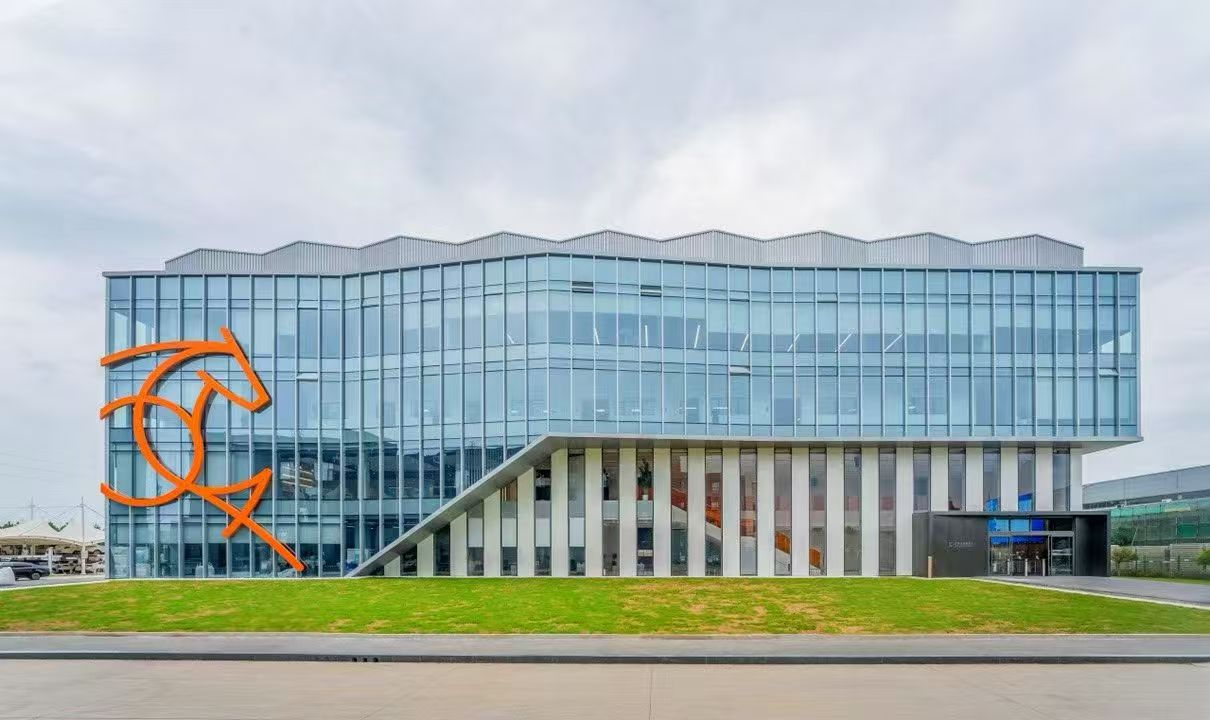
And the first scene of trust is always those 45 minutes.
Orders are made on the production line; trust is made in space. When the client's auditor sits in the car heading back, the answer is already in his mind—it was not negotiated at the table, but walked out step by step in your park, your workshop, your corridors.
Zhang Chi, founder of DACH Innovation, often says: "Your factory is your biggest billboard." The other half of that sentence is—
A billboard's polish can be bought, but a factory's order cannot be faked.
FAQ
Q1: When should audit-route design start? A: The earlier the better. The best moment is the master-planning stage—designing the "audit route" as a first-class circulation costs almost nothing; retrofitting after construction costs ten times more. In DACH's 11-step process, "early-stage materials" and "reference cases" reserve room precisely for audit narrative.
Q2: With limited budget, how can SMEs improve audit pass rates at low cost? A: Three things deliver the fastest results: fixed-position management on the floor (zero cost, pure management); people-vehicle separation and signage (low cost, high perception); making one piece of quality evidence explicit (e.g., a display board at a key process). Do these three well first—then talk about showrooms and dashboards.
Q3: How do overseas audits differ from domestic ones? A: Domestic audits weigh capacity and quality records; overseas audits additionally weigh ESG, employee experience, and brand consistency. DACH's experience across 5 overseas projects: spatial standards are international trust standards—environmental facilities, staff rest areas, and visitor routes carry far more weight in overseas audit checklists than in domestic ones.