最新动态

一张订单的"旅行":年产10万辆的智造基地,产线是怎么"流"起来的
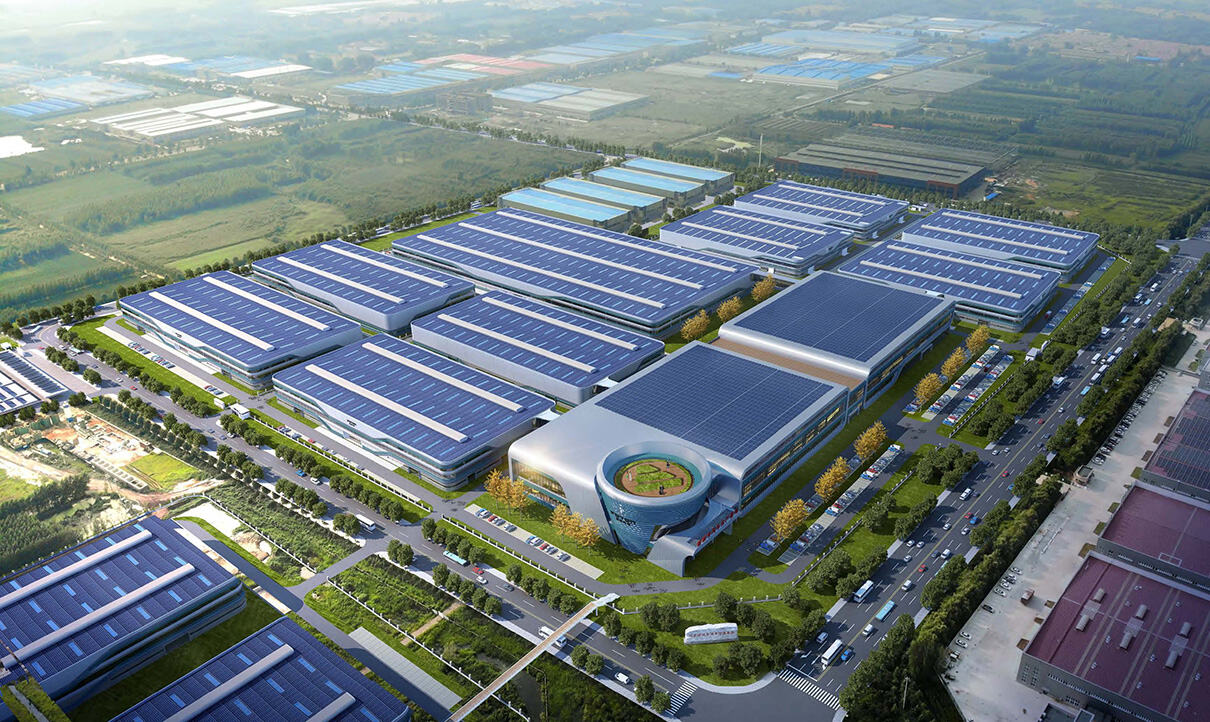
"在诸城,一座占地100亩的汽车智造基地正在生长。它规划的年产能是10万辆高端专用车——这意味着,平均每天有超过270辆车要从这里下线。要支撑这个速度,不是靠更多的工人,而是靠一条'会思考'的产线:从焊装到涂装再到总装,一张订单走完全流程,每一步都被MES系统实时记录、全程可追溯。这张订单的旅行,藏着中国智造基地的空间算法。"
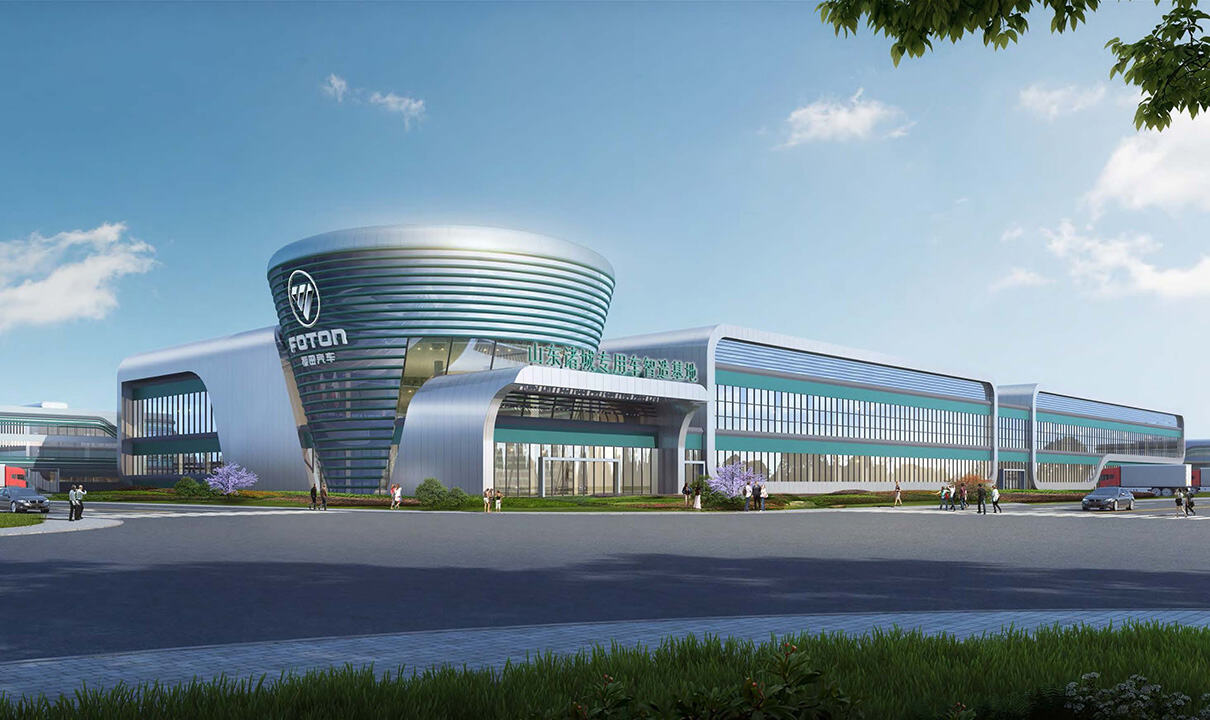
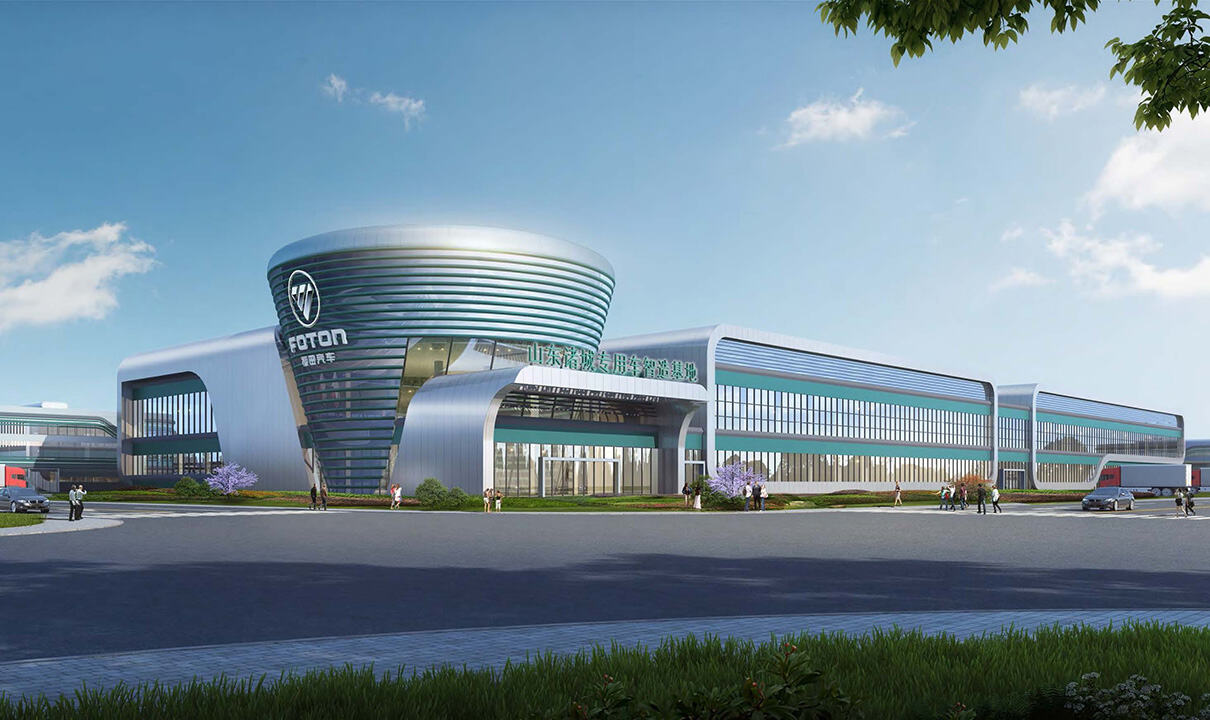
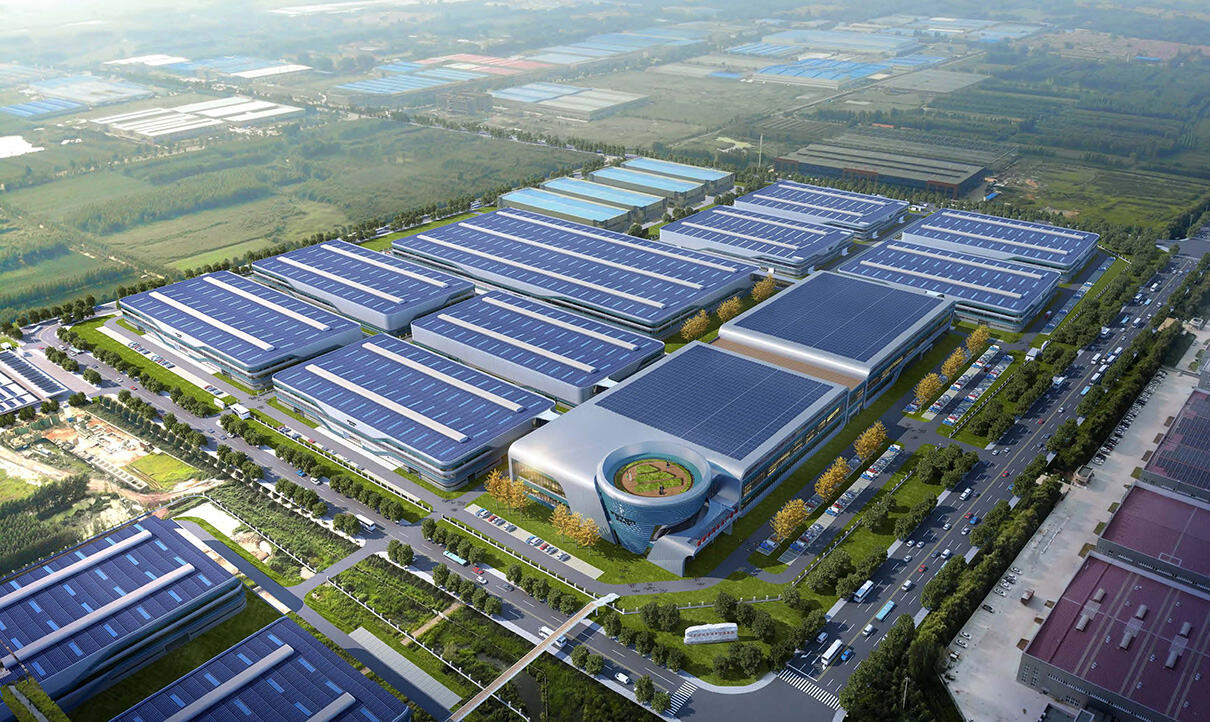
这座基地,是福田汽车山东智造基地,大驰创新担纲规划与设计,目前处于建造阶段。
一、先算一笔"时间的账"
汽车制造的传统难题是什么?是环节之间的"等待"。
焊装车间做完的车身,要等涂装;涂装完的车身,要等总装。每个环节之间的搬运、排队、返工,吃掉的不只是效率,还有一致性——一辆车在路上颠了三次,漆面就多三次风险。
福田基地的空间解法是:让环节"咬"在一起。
模块化空间布局加柔性生产线技术,把焊装、涂装、总装三大工艺高效串联,构建起清晰顺畅的工艺闭环——车身从一道工序流向下一道工序,像水一样,不回头、不积压、不落地。
"工艺闭环"四个字,是汽车制造的空间红利: 流转路径每缩短一米,节拍就提升一分,质量波动就少一分。
二、MES:给每张订单配一本"全程日记"
如果说产线是骨骼,MES系统就是神经。
在这座基地里,生产数据全链路追溯——每一个零部件何时上线、经过哪台设备、由哪位技师操作、检测结果如何,全部实时写入系统。一张订单从钢板到下线的全程,就是一本写满数据的日记。
这意味着什么?意味着质量不再依赖事后抽检,而是事前预防——某个工位的参数出现微小漂移,系统在缺陷发生之前就会预警。也意味着追溯不再依赖纸质记录,任何一个批次的问题,可以追溯到分钟级、工位级。
空间设计在这件事里扮演的角色容易被忽略:MES要跑起来,先要"流"得起来——数据链的背后,是物理动线的合理。设备的间距、物流的通道、质检节点的位置,都是MES能否落地的空间前提。数字化不是软件的事,是建筑的事。
三、绿色,是这座基地的"默认设置"
很多人对汽车制造厂的环保印象,还停留在"高排放"的旧标签里。
这座基地的两个数字,值得记住:RTO废气处理系统,VOCs(挥发性有机物)去除率达98%;全流程生产数据通过MES系统实时监控,能耗与排放在同一块屏幕上。
大驰在设计中的原则是:环保设施不是后院的补丁,而是园区的标准配置。 废气处理、能源监控、绿色工艺,从规划第一天就与产线一体设计——既是对"双碳"战略的响应,也是对区域千亿级汽车产业集群承诺的兑现。
一座智造基地的高度,最终由它的"绿色底线"决定。
四、写在最后
回到那张订单。
它从一块钢板出发,经过焊装的火花、涂装的色彩、总装的合拢,最后驶下产线——全程被MES记录,全程被工艺闭环托底,全程在这座100亩的园区里"流"而不"堵"。
10万辆的年产能,不是一个口号,是一个被空间精确计算过的结果。
大驰创新创始人张驰常说:"工厂就是你最大的广告牌。"而这座基地提醒我们——
广告牌的核心不是"牌",是"货"。当一张订单的旅行顺畅、透明、可追溯,客户不需要听你介绍,产线自己会说话。
FAQ
Q1:什么是"工艺闭环"?对制造企业有什么价值? A:工艺闭环是指从原料到成品的全流程在空间上高效串联、在数据上无缝衔接的生产组织方式。价值在于:缩短流转路径、减少等待与搬运、降低质量波动。福田基地的焊装-涂装-总装串联,就是汽车制造的典型闭环实践。
Q2:MES追溯系统的落地,为什么和空间设计有关? A:MES的根基是物理动线。设备间距不合理、物流通道不畅、质检节点错位,都会让数据系统"跑空转"。大驰在设计阶段就把MES的数据节点与产线动线一体规划,确保"数据流"和"物流"同频。
Q3:汽车工厂的环保投入值得吗? A:值得,且越来越值。以福田基地为例:RTO废气处理VOCs去除率98%,既是法规合规的底线,也是进入高端供应链的门票——海外大客户与头部品牌的审厂清单里,环保权重要求只会越来越高。环保从成本项变成了准入项。
The Journey of an Order: How the Production Line "Flows" in a 100,000-Unit Base
"In Zhucheng, a 100-mu automotive smart manufacturing base is taking shape. Its planned annual capacity is 100,000 high-end special-purpose vehicles—meaning more than 270 vehicles must roll off the line every single day. Sustaining that pace doesn't depend on more workers, but on a production line that can 'think': from welding to painting to final assembly, every order travels the full process with each step recorded in real time by the MES system, traceable end to end. This order's journey holds the spatial algorithm of China's smart manufacturing base."
This base is Foton Motor's Shandong Smart Manufacturing Base, planned and designed by DACH Innovation, currently under construction.
I. First, Do the Math of "Time"
What is the traditional pain point of automotive manufacturing? The "waiting" between stages.
A body finished in the welding shop waits for painting; a painted body waits for final assembly. Every transfer, queue, and rework between stages eats away not only efficiency but consistency—a body jolted three times on the road adds three risks to its paintwork.
The base's spatial answer: make the stages "bite" together.
Modular spatial layout plus flexible production-line technology efficiently connect the three major processes—welding, painting, and final assembly—building a clear, smooth process loop. Bodies flow from one process to the next like water: no backtracking, no backlog, no grounding.
The four characters "process loop" are manufacturing's spatial dividend: every meter of transfer path shortened lifts the takt time and reduces quality variation.
II. MES: A "Full Diary" for Every Order
If the production line is the skeleton, the MES system is the nervous system.
In this base, production data is traced across the full chain—when every component goes online, which machine it passes, which technician operates it, and how its inspection turns out—all written into the system in real time. An order's journey from steel sheet to finished vehicle is a diary full of data.
What does this mean? It means quality no longer relies on post-hoc sampling, but on pre-event prevention—when a parameter at a station drifts subtly, the system warns before the defect occurs. It also means traceability no longer relies on paper records—any batch issue can be traced to the minute, to the station.
The role of spatial design here is easily overlooked: for MES to run, the physical flow must run first—behind the data chain stands the rationality of physical circulation. Equipment spacing, logistics aisles, and the positioning of quality-check nodes are all spatial prerequisites for MES to work. Digitalization is not a software matter—it is an architecture matter.
III. Green Is the Base's "Default Setting"
Many people's impression of automotive plants' environmental performance still stops at the old label of "high emissions."
Two numbers from this base are worth remembering: its RTO waste-gas treatment system achieves a 98% VOC (volatile organic compound) removal rate; and full-process production data is monitored in real time through the MES system, with energy consumption and emissions on the same screen.
DACH's principle in the design: environmental facilities are not a patch in the backyard—they are a standard configuration of the park. Waste-gas treatment, energy monitoring, and green processes are integrated with the production line from day one of planning—both a response to the "dual-carbon" strategy and a fulfillment of the commitment to the regional 100-billion-yuan automotive industry cluster.
The height of a smart base is ultimately decided by its "green baseline."
IV. Closing
Back to that order.
It sets out from a steel sheet, passes through the sparks of welding, the colors of painting, and the joining of final assembly, and finally drives off the line—recorded by MES throughout, carried by the process loop throughout, "flowing" without "jamming" within this 100-mu park.
The 100,000-unit annual capacity is not a slogan—it is a result precisely calculated by space.
Zhang Chi, founder of DACH Innovation, often says: "Your factory is your biggest billboard." And this base reminds us—
The core of a billboard is not the "board"—it is the "goods." When an order's journey is smooth, transparent, and traceable, clients don't need an introduction. The production line speaks for itself.
FAQ
Q1: What is a "process loop," and what value does it bring manufacturers? A: A process loop is a production organization in which the full flow from raw material to finished product is efficiently connected in space and seamlessly linked in data. Its value: shorter transfer paths, less waiting and handling, and reduced quality variation. The base's welding-painting-assembly connection is a typical loop practice in automotive manufacturing.
Q2: Why does MES traceability have anything to do with spatial design? A: MES rests on physical circulation. Unreasonable equipment spacing, blocked logistics aisles, or misplaced quality-check nodes all leave the data system "spinning in neutral." DACH integrates MES data nodes with production-line circulation from the design stage, ensuring the "data flow" and the "material flow" stay in sync.
Q3: Is environmental investment in automotive plants worth it? A: Worth it—and increasingly so. Take the Foton base: the RTO system's 98% VOC removal rate is both the bottom line of regulatory compliance and the ticket into high-end supply chains—overseas key accounts and leading brands place ever-higher weight on environmental criteria in their audit checklists. Environmental protection has shifted from a cost item to an admission item.