最新动态

出海建厂的第一张名片,不是产品,是工厂本身
2026年,中国制造业出海已经不是"要不要"的问题,而是"怎么去、去了怎么活"的问题。泰国投资促进委员会的数据显示,仅2026年第一季度,投资申请就突破1兆泰铢。宁德时代、中创新航拟投超300亿泰铢布局泰国电池产能,海尔在泰国动工建设AI驱动工厂,腾讯云在马来西亚柔佛设立首个云区域——东南亚正成为中国制造业的"第二主场"。
但在这场浩浩荡荡的出海大潮中,有一个被严重低估的环节:海外工厂的空间设计与品牌表达。
建厂容易,"落地"难
很多企业家以为,出海建厂就是把国内的产线搬过去,换个地方开工。真正到了泰国罗勇、越南海防、肯尼亚内罗毕的工业园区才发现——事情远没有那么简单。
当地的政府官员要来考察,他们看的不是你的PPT,是你的工厂。潜在的本地合作伙伴要来参观,他们判断你实力的第一印象,不是产品目录,是厂房的面貌。当地的员工要来应聘,他们决定要不要加入一家中国企业的关键因素之一,是走进园区那一刻的感受。
你的海外工厂,就是你在异国他乡的"第一张名片"。
这张名片如果皱皱巴巴——规划混乱、形象粗糙、毫无品牌感——你后面要花十倍的力气去解释"我们其实是一家很有实力的公司"。
5个海外项目教会我们的事
大驰创新在过去三年里,服务了96个智能工厂设计项目,其中5个在海外——泰国3个、越南1个、肯尼亚1个。这个数字不算多,但每一个都让我们对"出海工厂设计"有了更深的理解。
举几个真实的场景。
在泰国,一家中国数据电缆企业的新工厂,当地政府官员来考察时,首先关注的不是产能数据,而是工厂的绿化率和员工休息区。泰国的ESG审查比很多人想象的严格,工厂的空间规划直接影响审批速度和社区关系。
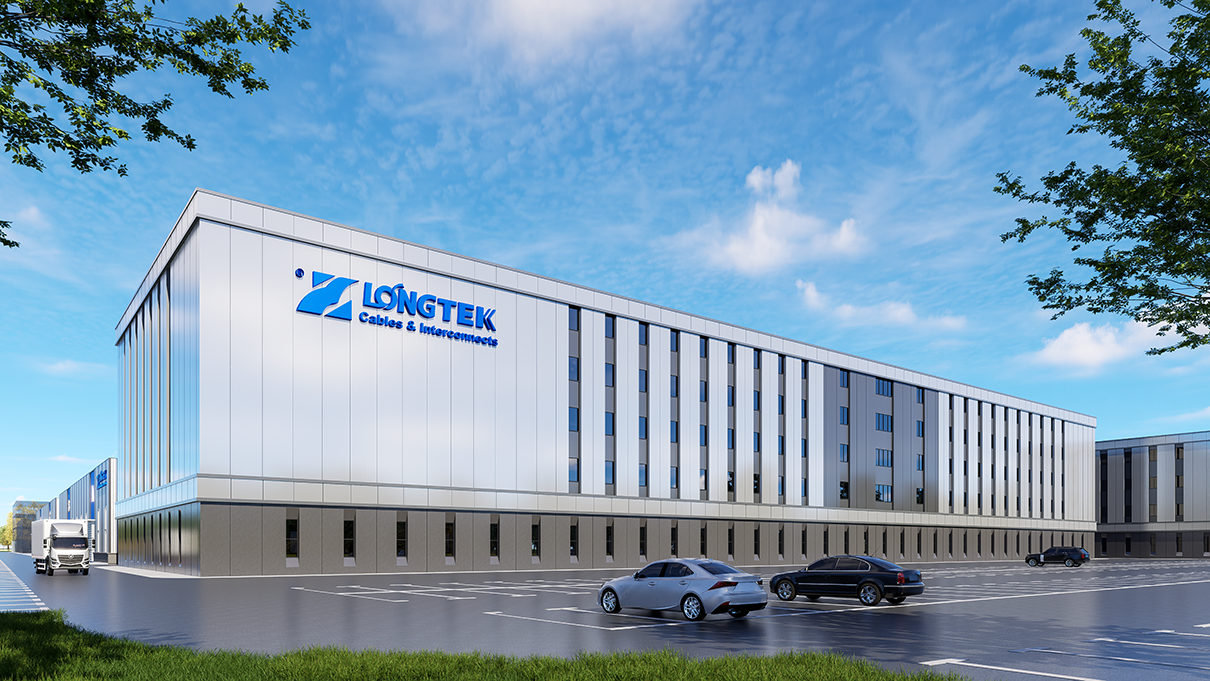
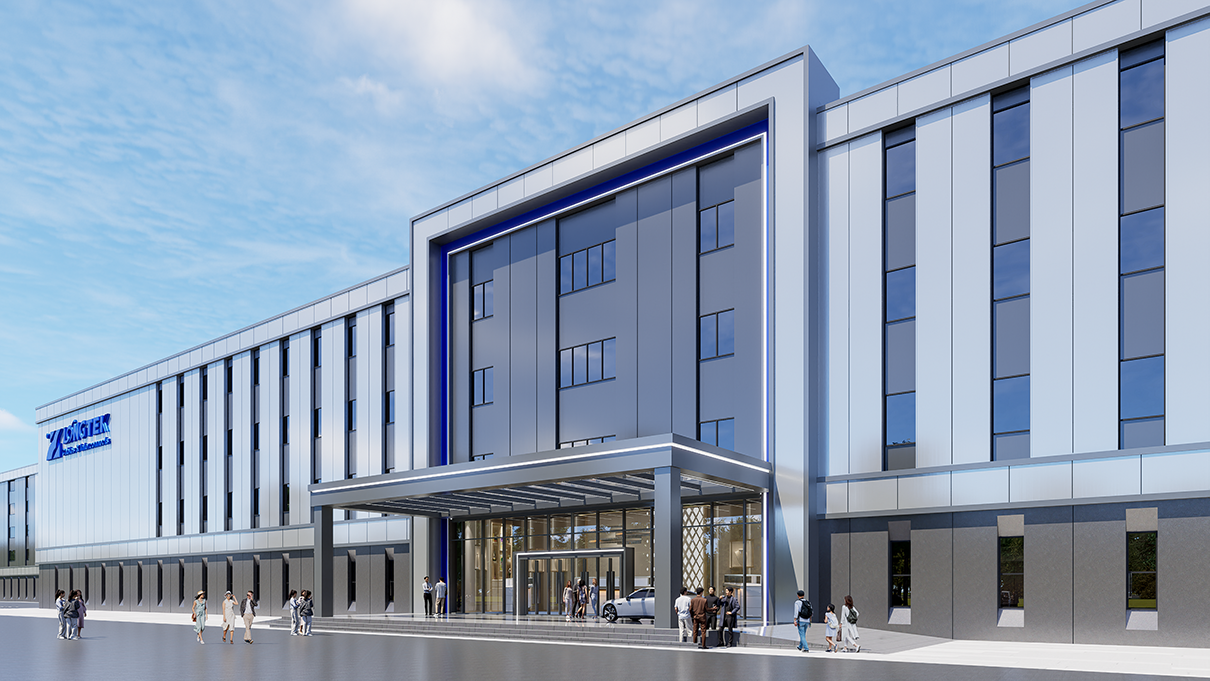
在肯尼亚,一家医疗器械企业的工厂项目,客户最担心的不是建造成本,而是"如何让当地员工觉得这是一家值得信赖的企业"。我们在设计中特别强化了展示中心和培训空间,让工厂本身就成为一个"信任发生器"。
这些经验让我们得出一个判断:出海工厂的设计标准,不能低于国内标杆工厂,甚至要更高。 因为在海外,你没有"主场优势",工厂空间就是你最直接的实力证明。
为什么出海工厂更需要"设计思维"?
国内的工厂设计,很多时候可以"先建起来再说"。但海外工厂不一样,你面对的是完全不同的法规体系、文化语境和利益相关方。
我们在服务海外项目时,会把国内96个项目沉淀下来的11步标准化流程完整移植过去——从前期资料收集、参考案例研究、CAD施工图、SU三维模型,到会议纪要的跨语言管理、阶段成果的多方确认。这套89.4%标准化率的管理体系,在海外项目中价值更大,因为它最大程度减少了跨文化沟通中的理解偏差。
但标准化不等于照搬。每个国家的工业审美、气候条件、劳工法规都不同。泰国的工厂要考虑热带气候下的通风与遮阳,肯尼亚的项目要适配当地的建材供应链,越南的园区要满足越来越严的环保审批。
真正好的出海工厂设计,是"标准化的骨架+本地化的皮肤"。
从"中国制造"到"中国品牌",空间是最后一公里
大驰创新创始人张驰有一个判断:中国制造业出海正在经历从"产品出海"到"产能出海"再到"品牌出海"的三级跳。大部分企业完成了前两步,但卡在第三步。
为什么?因为品牌不是广告打出来的,是体验堆出来的。对于B2B制造业企业来说,客户认识你的第一个物理触点,往往就是工厂。海外客户飞到泰国来看你的工厂,走进园区的那30分钟,基本决定了合作能不能成。
张驰是上海交通大学、浙江大学特聘讲师,也是智能制造畅销书《三体智能革命》的联合作者。他连续十年亲赴汉诺威工业展,带领团队参访了全球100多座标杆工厂——从德国奔驰辛德芬根工厂到保时捷斯图加特工厂,从费斯托到菲尼克斯。这些参访让他深刻理解一件事:全球顶级制造企业,无一不把工厂当作品牌资产来经营。
大众汽车在沃尔夫斯堡建了一座汽车公园,每年吸引200万游客。保时捷的工厂参观需要提前数周预约。这些工厂不仅是生产基地,更是品牌的"大教堂"。
中国企业出海,也需要自己的"大教堂"。不一定是大教堂的规模,但一定要有 cathedral thinking——把工厂当作长期品牌资产来规划和设计。
写在最后
2024年,大驰创新的项目数量同比增长533%。2026年,我们的客户中已经有万华化学、汇川技术、吉利控股等一批行业龙头,其中不少正在或即将布局海外产能。我们也在洛杉矶和法兰克福设立了办公室,就是为了离这些出海客户更近一些。
制造业出海是一场马拉松,不是百米冲刺。在这场长跑中,工厂空间是你最持久的竞争力之一——它不像广告会过期,不像价格会被竞争对手压低,它矗立在那里,日复一日地替你说话。
那么:你的工厂在替你说什么?
The First Business Card of Going Global Isn't Your Product—It's the Factory Itself
In 2026, the question for China's manufacturing sector is no longer whether to go global, but how to go—and how to survive once there. According to Thailand's Board of Investment, investment applications exceeded 1 trillion baht in the first quarter of 2026 alone. CATL and CALB plan to invest over 30 billion baht in Thai battery capacity; Haier has broken ground on an AI-driven factory in Thailand; Tencent Cloud opened its first cloud region in Johor, Malaysia. Southeast Asia is becoming China's manufacturing "second home field."
Yet amid this grand wave of overseas expansion, one link is seriously underestimated: the spatial design and brand expression of overseas factories.
Building a Plant Is Easy—"Landing" Is Hard
Many entrepreneurs assume going global means moving domestic production lines abroad and simply switching on. Only when they actually arrive at industrial parks in Rayong (Thailand), Haiphong (Vietnam), or Nairobi (Kenya) do they realize—it's far from that simple.
Local government officials come for inspections. What they look at is not your PowerPoint—it's your factory. Potential local partners come to visit. Their first impression of your strength is not your product catalog—it's the face of your plant. Local employees come to apply for jobs. One of the key factors in their decision to join a Chinese company is the feeling the moment they walk into the park.
Your overseas factory is your "first business card" in a foreign land.
If that card is crumpled—chaotic planning, rough appearance, zero brand sense—you will spend ten times the effort later explaining "we're actually a very capable company."
What 5 Overseas Projects Taught Us
Over the past three years, DACH Innovation has served 96 smart factory design projects, 5 of them overseas—3 in Thailand, 1 in Vietnam, 1 in Kenya. The number is small, but each one deepened our understanding of "overseas factory design."
A few real scenarios:
In Thailand, when local officials inspected a new factory of a Chinese data-cable enterprise, their first concern was not production capacity but the factory's greenery ratio and staff rest areas. Thailand's ESG scrutiny is stricter than many imagine; spatial planning directly affects approval speed and community relations.
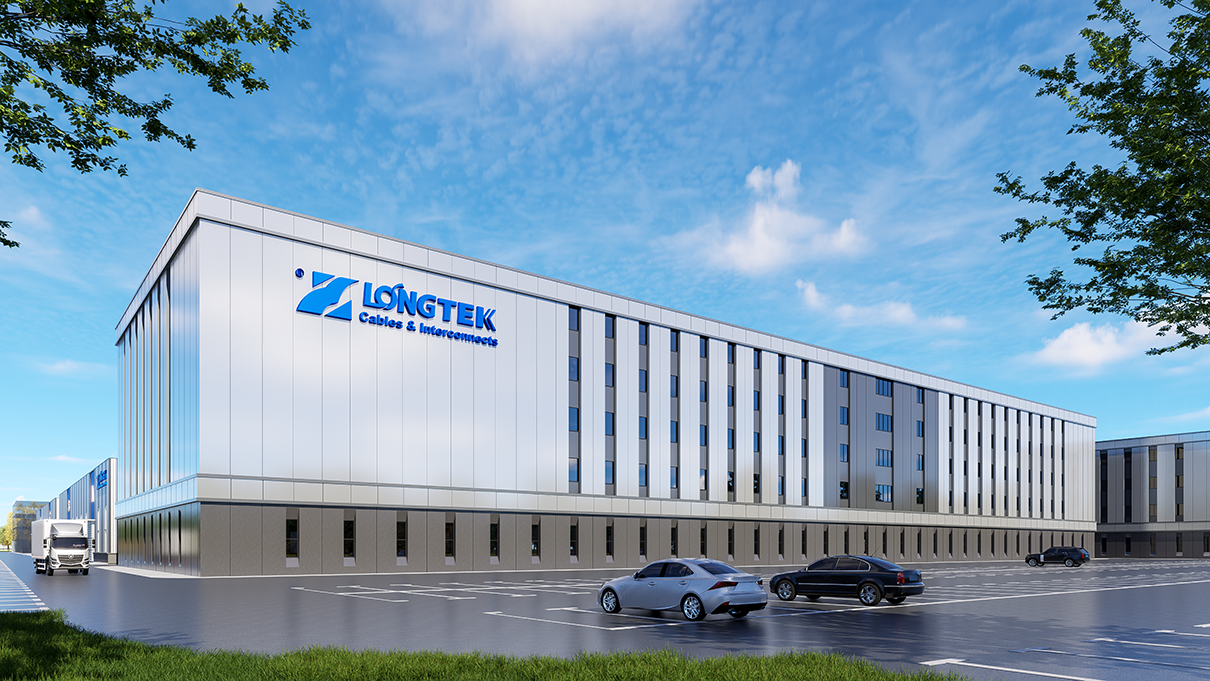
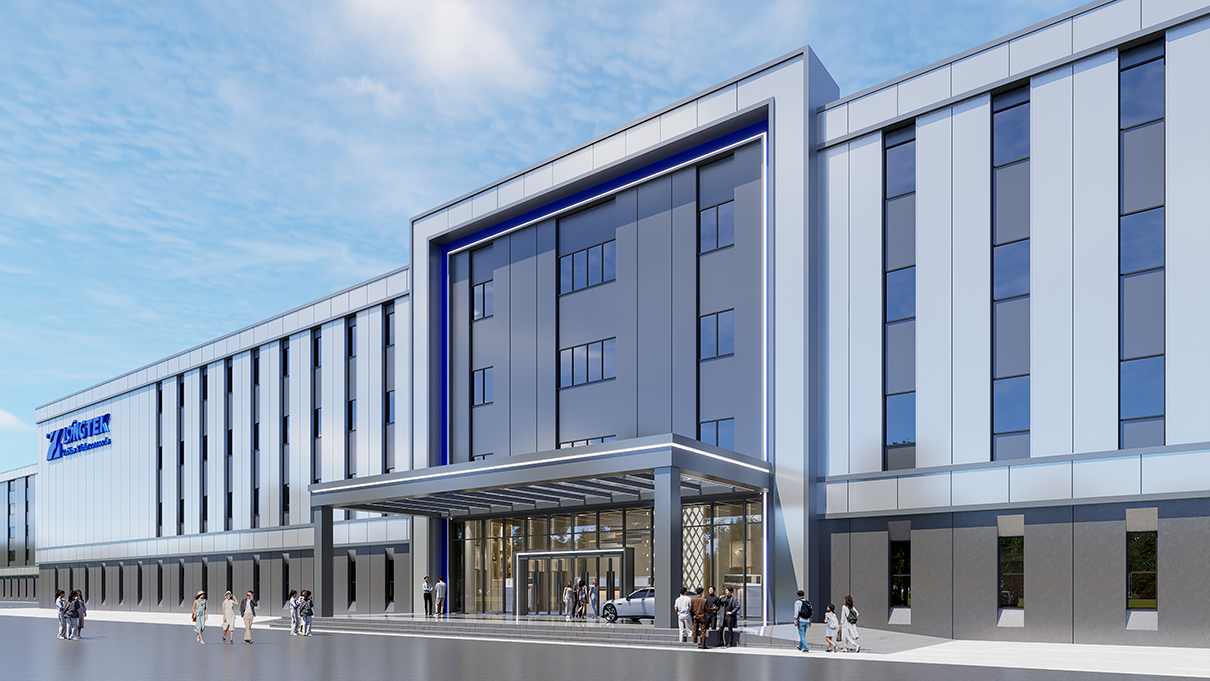
In Kenya, for a medical-device company's factory project, the client's biggest worry was not construction cost but "how to make local employees feel this is a trustworthy company." In the design, we deliberately strengthened the exhibition center and training spaces, turning the factory itself into a "trust generator."
These experiences led us to one conclusion: the design standard for overseas factories must not be lower than domestic benchmark factories—it must be even higher. Because overseas, you have no "home-field advantage." Your factory space is your most direct proof of strength.
Why Overseas Factories Need "Design Thinking" Even More
For domestic factory design, the attitude is often "build it first, figure it out later." Overseas factories are different: you face entirely different regulatory systems, cultural contexts, and stakeholders.
When serving overseas projects, we transplant the 11-step standardized process refined across 96 domestic projects—from early-stage data collection, reference case studies, CAD construction drawings, and SU 3D models, to cross-language meeting-minutes management and multi-party confirmation of stage deliverables. This management system with an 89.4% standardization rate is even more valuable overseas, because it minimizes misreadings in cross-cultural communication.
But standardization does not mean copy-paste. Every country differs in industrial aesthetics, climate conditions, and labor regulations. Thai factories must address ventilation and sun-shading in a tropical climate; Kenyan projects must adapt to local building-material supply chains; Vietnamese parks must meet increasingly strict environmental approvals.
Truly good overseas factory design is "a standardized skeleton with localized skin."
From "Made in China" to "Branded from China": Space Is the Last Mile
Zhang Chi, founder of DACH Innovation, makes a judgment: China's manufacturing going global is undergoing a three-stage leap—from "products going global" to "capacity going global" to "brands going global." Most companies have completed the first two steps but are stuck at the third.
Why? Because a brand is not built through advertising—it is built through accumulated experience. For B2B manufacturers, the first physical touchpoint where a customer encounters you is often the factory. An overseas client flies to Thailand to see your factory; the 30 minutes walking through your park largely determine whether the deal happens.
Zhang Chi is a guest lecturer at Shanghai Jiao Tong University and Zhejiang University, and co-author of the bestselling book on intelligent manufacturing Three-Body Intelligence Revolution. For ten consecutive years he has attended Hannover Messe, leading his team to visit over 100 benchmark factories worldwide—from Mercedes-Benz's Sindelfingen plant and Porsche's Stuttgart factory to Festo and Phoenix Contact. These visits taught him one thing: the world's top manufacturers all run their factories as brand assets.
Volkswagen built a car-themed park in Wolfsburg that attracts 2 million visitors a year. Porsche factory tours need to be booked weeks in advance. These factories are not only production bases—they are "cathedrals" of the brand.
Chinese companies going global need their own cathedrals too. Not necessarily cathedral-scale, but definitely cathedral thinking—planning and designing the factory as a long-term brand asset.
Closing
In 2024, DACH Innovation's project count grew 533% year over year. In 2026, our client roster includes industry leaders such as Wanhua Chemical, Inovance Technology, and Geely Holding—many of them already deploying or about to deploy overseas capacity. We have also opened offices in Los Angeles and Frankfurt precisely to stay closer to these globalizing clients.
Manufacturing going global is a marathon, not a sprint. In this long race, factory space is one of your most durable competitive advantages—it doesn't expire like advertising, and it can't be undercut by competitors' prices. It stands there, speaking for you day after day.
Now: what is your factory saying about you?