最新动态

厂房还没老,何必重建?一座宿迁工厂的"少拆多改"账本
"过去几年,制造业圈最时髦的事是'建新厂'——新地块、新厂房、新产线,好像不新建就称不上升级。但江苏宿迁有一个'反潮流'的项目:一家企业决定不搬家、不重建,把现有工厂彻底改一遍。改造完成后,同一亩地上,单位面积产能提升40%以上,单位能耗下降25%。这道题,比新建难得多,也值钱得多。"
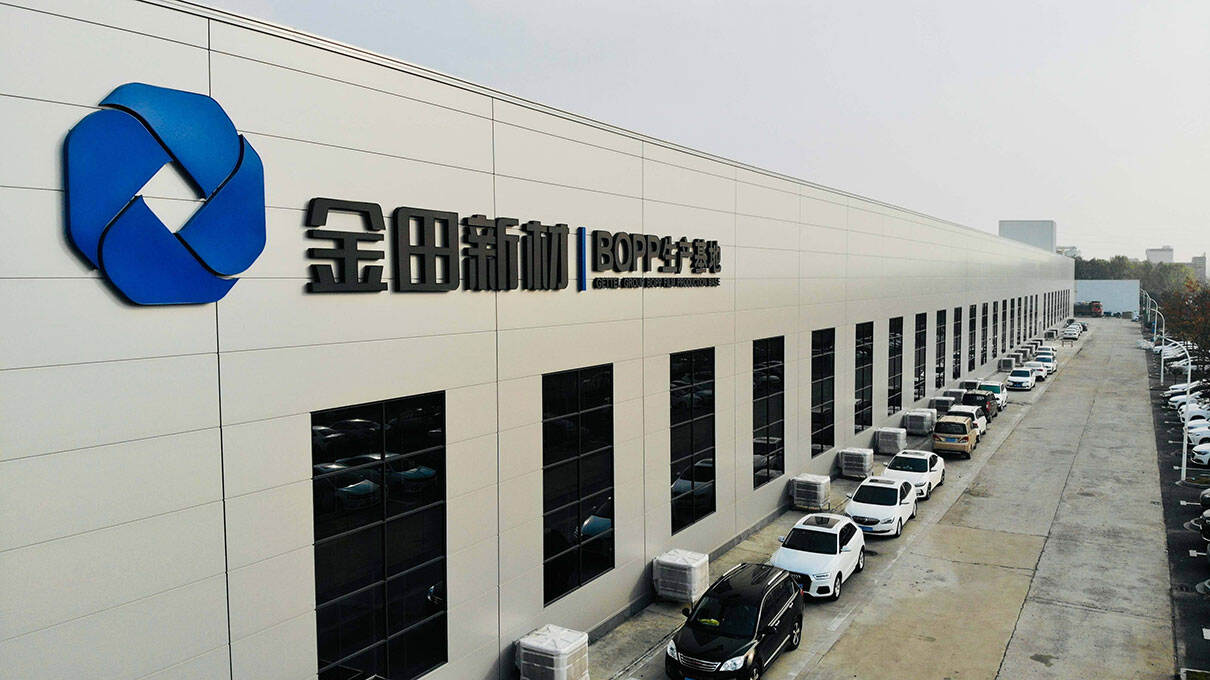
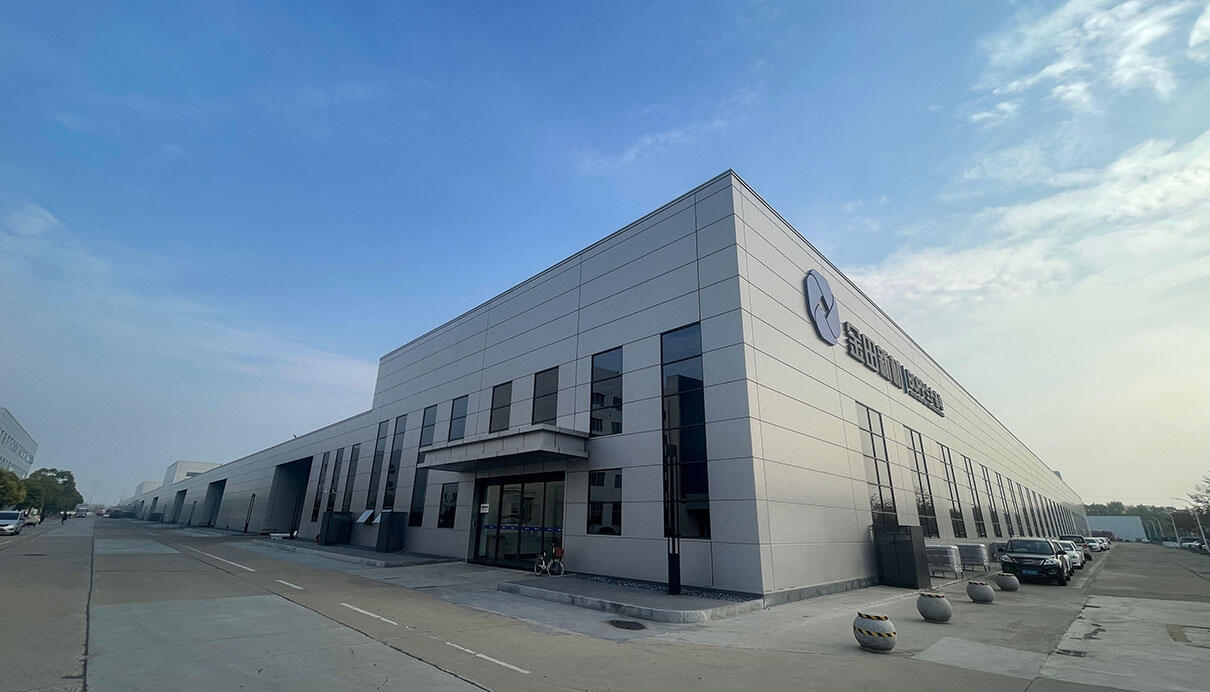
这个项目,是金田新材宿迁工厂改造,大驰创新担纲设计。它的核心方法论只有四个字:少拆多改。
一、为什么改造比新建更难?
新建工厂是白纸作画,规划师拥有全部自由;改造工厂是戴着镣铐跳舞——原有的柱网不能动、生产不能停、预算要精打细算、员工还得照常上班。
但改造的收益账,同样明明白白:
周期账:新建从拿地到投产动辄两三年,改造以月计
投资账:新建是重资产投入,改造是"把钱花在刀刃上"
机会账:工厂不搬家、不停产,订单和客户关系零中断
在中国制造业从"增量扩张"转向"存量提质"的当下,会改旧厂的企业,比会建新厂的企业更稀缺。
二、"少拆多改"的四个手术
大驰团队进场后,没有先画效果图,而是先做了一次全厂"体检"。诊断结果出来后,四台手术依次展开:
第一台:动线重构。 传统老厂最常见的病,是人、车、货混行——叉车与员工抢道,物流穿插办公。改造把三条流线彻底分离,厂房内部的"交通系统"重新规划,拥堵与安全隐患一并解决。
第二台:向空中要仓储。 不新增一寸土地,通过立体仓储与模块化空间划分,仓储容量提升30%以上。对制造业来说,仓库就是"不赚钱的面积",立体化让这块面积的产出翻倍。
第三台:换"外衣"。 外立面植入Low-E玻璃与保温金属板——不只是好看,更是功能性升级:采光改善、保温隔热,厂房冬暖夏凉,空调与照明能耗随之下降。
第四台:换"内脏"。 屋顶分布式光伏、废气除尘提标改造、数字化生产管理系统全面引入。绿色的不只是表面,是整座工厂的运营逻辑。
四台手术做完,同一个厂区,同一批员工,同一亩土地——单位面积产能提升40%以上,单位能耗降低25%。
三、空间账的另一种算法
大驰创新创始人张驰(上海交通大学、浙江大学特聘讲师,智能制造畅销书《三体智能革命》联合作者)在复盘这个项目时说了一句话:
"新建一座工厂,证明的是企业的野心;改好一座工厂,证明的是企业的功力。"
这句话背后,是中国制造业正在换轨的现实。过去四十年,增长的答案是"更多"——更多土地、更多厂房、更多产能。而当土地成为稀缺资源、产能出现结构性过剩,增长的答案必须换成"更好"——每一平方米产更多,每一度电用得更值,每一座老厂都物尽其用。
改造,本质上是对存量空间的一次"价值重估"。 那些被认为"过时"的老厂房,缺的从来不是推倒重来,而是一套专业的诊断与手术方案。
四、写在最后
宿迁的这座工厂,没有剪彩仪式,没有奠基新闻,甚至没有搬家的轰动。它只是安静地变得更高效、更绿色、更好看。
但恰恰是这种"不声张的升级",藏着中国制造下一阶段最真实的题眼:不是建更多厂,而是用好每座厂。
新建是少年意气,改造是中年功力。一个制造业强国,既要有拔地而起的灯塔工厂,也要有脱胎换骨的存量工厂——前者是面子,后者是里子。
里子改好了,面子自然亮。
FAQ
Q1:什么情况下企业应该选择改造而不是新建?
三个信号:一是现有厂房结构尚可,推倒重来浪费资产;二是生产不能中断,搬迁成本高于改造成本;三是土地指标紧张,拿不到新地块。金田新材宿迁项目的账很典型——改造以月计周期、以零中断换升级,综合成本远低于新建。
Q2:老厂改造最难的部分是什么?
不是施工,是"不停产改造"的组织协调。生产要照常运转,改造要分区推进,就像给行驶中的汽车换轮胎。大驰在这类项目中会先动线、后立面、再系统,把对生产的影响压到最低。
Q3:大驰创新在老厂改造方面有什么方法论?
核心原则是"少拆多改":先做全厂诊断,再按动线重构、立体仓储、立面焕新、绿色系统四步推进。用建筑与系统的升级,替代推倒重建。这套方法同样适用于89.4%标准化率下的流程管理,确保改造项目也有清晰的节点与交付标准。
The Plant Isn't Old Yet—Why Rebuild? The "Demolish Less, Renovate More" Ledger of a Suqian Factory
"In recent years, the most fashionable move in manufacturing has been 'building a new plant'—new land, new workshops, new lines, as if upgrading without new construction didn't count. But in Suqian, Jiangsu, there is a counter-trend project: a company decided not to relocate and not to rebuild, but to thoroughly renovate its existing factory. After the renovation, on the very same plot of land, output per unit area rose by over 40%, while energy consumption per unit fell by 25%. This puzzle is far harder than new construction—and far more valuable."
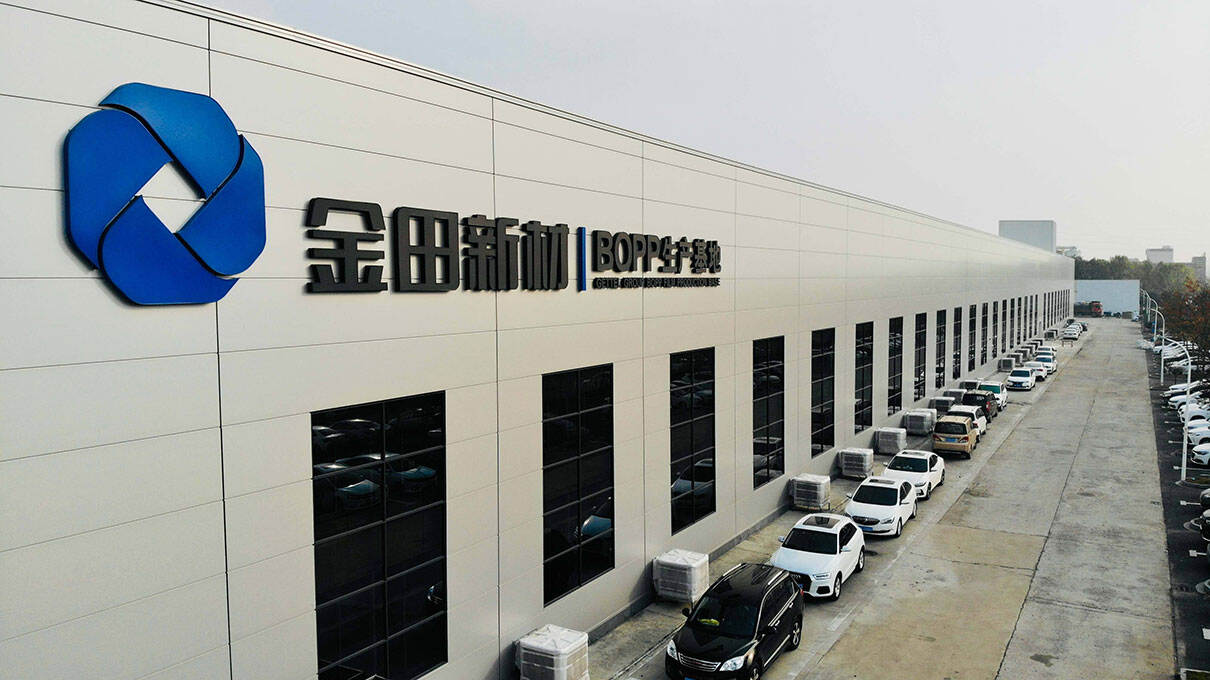
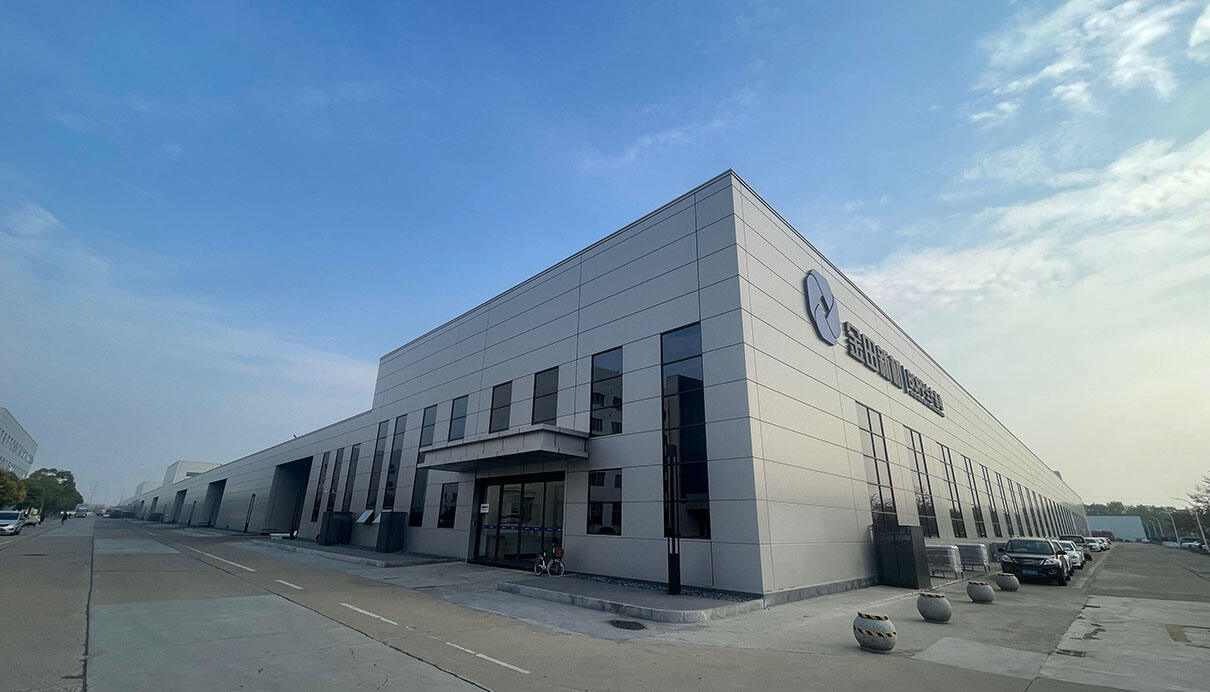
This project is the Jintian New Materials Suqian factory renovation, designed by DACH Innovation. Its core methodology can be summed up in four characters: demolish less, renovate more.
I. Why Renovation Is Harder Than New Construction
Building a new plant is painting on a blank canvas—the planner has complete freedom. Renovating a plant is dancing in chains: the existing column grid cannot move, production cannot stop, the budget must be carefully managed, and employees must keep showing up for work.
But the returns ledger of renovation is equally clear:
Time ledger: New construction takes two to three years from land acquisition to production; renovation is measured in months
Investment ledger: New construction is heavy-asset spending; renovation puts "money on the edge of the blade"
Opportunity ledger: The plant doesn't move and doesn't halt—orders and client relationships continue without interruption
As China's manufacturing shifts from "incremental expansion" to "stock quality improvement," companies that can renovate old plants well are scarcer than those that can build new ones.
II. Four Operations of "Demolish Less, Renovate More"
After entering the site, the DACH team did not start with renderings—they started with a full-factory "physical exam." With the diagnosis in hand, four operations unfolded in sequence:
Operation 1: Circulation reconstruction. The most common disease of old plants is mixed flows of people, vehicles, and goods—forklifts competing with workers for lanes, logistics cutting through offices. The renovation completely separated the three flow lines and replanned the plant's internal "traffic system," curing congestion and safety hazards at once.
Operation 2: Claiming warehousing from the air. Without adding a single inch of land, three-dimensional warehousing and modular space division lifted storage capacity by over 30%. For manufacturing, warehouses are "non-revenue-generating area"—verticalization doubles the output of that area.
Operation 3: A new "coat." The facade was fitted with Low-E glass and insulated metal panels—not just for looks, but functional upgrading: better daylighting, thermal insulation; the plant stays warm in winter and cool in summer, and air-conditioning and lighting energy consumption drop accordingly.
Operation 4: New "internal organs." Rooftop distributed photovoltaics, upgraded waste-gas dust removal, and a fully introduced digital production management system. The greening is not superficial—it is the operating logic of the entire plant.
After the four operations, the same plant, the same workforce, the same plot of land—output per unit area rose by over 40%, and energy consumption per unit dropped by 25%.
III. Another Way to Do the Spatial Accounting
Zhang Chi, founder of DACH Innovation (guest lecturer at Shanghai Jiao Tong University and Zhejiang University, co-author of the bestselling book on intelligent manufacturing Three-Body Intelligence Revolution), said at the project debrief:
"Building a new factory proves a company's ambition; renovating an old one well proves a company's craft."
Behind this sentence, China's manufacturing is switching tracks. For the past forty years, the answer to growth was "more"—more land, more plants, more capacity. Now that land is scarce and capacity is structurally surplus, the answer must switch to "better"—more output per square meter, more value per kilowatt-hour, and every old plant used to its full potential.
Renovation is, in essence, a "value reappraisal" of existing space. What were deemed "outdated" old workshops never needed demolition—they needed a professional diagnosis and a surgical plan.
IV. Closing
The Suqian factory had no ribbon-cutting ceremony, no groundbreaking coverage, not even the fanfare of relocation. It simply became quieter, more efficient, greener, and better-looking.
Yet it is precisely this "unpublicized upgrade" that holds the true key to China's manufacturing next phase: not building more plants, but making the most of every plant.
New construction is the spirit of youth; renovation is the craft of maturity. A manufacturing powerhouse needs both landmark factories rising from the ground and legacy factories reborn—the former is the face, the latter is the substance.
When the substance is fixed, the face glows naturally.
FAQ
Q1: When should a company choose renovation over new construction?
Three signals: first, the existing structure is still sound—demolition would waste assets; second, production cannot be interrupted, and relocation costs exceed renovation costs; third, land quotas are tight and new plots are unavailable. The Suqian project's math is telling—renovation ran in months, upgraded with zero downtime, and cost far less than new construction overall.
Q2: What is the hardest part of renovating an old plant?
Not construction, but organizing "renovation without production halt." Production must keep running while the renovation proceeds zone by zone—like changing tires on a moving car. In such projects, DACH sequences circulation first, then facades, then systems, minimizing impact on production.
Q3: What is DACH Innovation's methodology for legacy plant renovation?
The core principle is "demolish less, renovate more": a full-plant diagnosis first, then four steps—circulation reconstruction, vertical warehousing, facade renewal, and green systems—replacing demolition with architectural and systemic upgrades. The method runs under the same process management as our 89.4% standardization rate, ensuring renovation projects also have clear milestones and deliverables.