最新动态

灯塔工厂不是评出来的,是设计出来的
世界经济论坛的"灯塔工厂"名单每年公布一次,入选者被视作全球智能制造的最高水准。但很少有人追问一个问题:这些工厂在破土动工之前,发生了什么?
答案往往被忽略——真正决定一座工厂能否成为标杆的,不是设备清单,不是IT系统,而是空间设计阶段的顶层设计。建筑一旦封顶,工艺路线、物流动线、参观叙事、品牌触点全部固化,后期再昂贵的装修都只是在错误的地基上贴瓷砖。
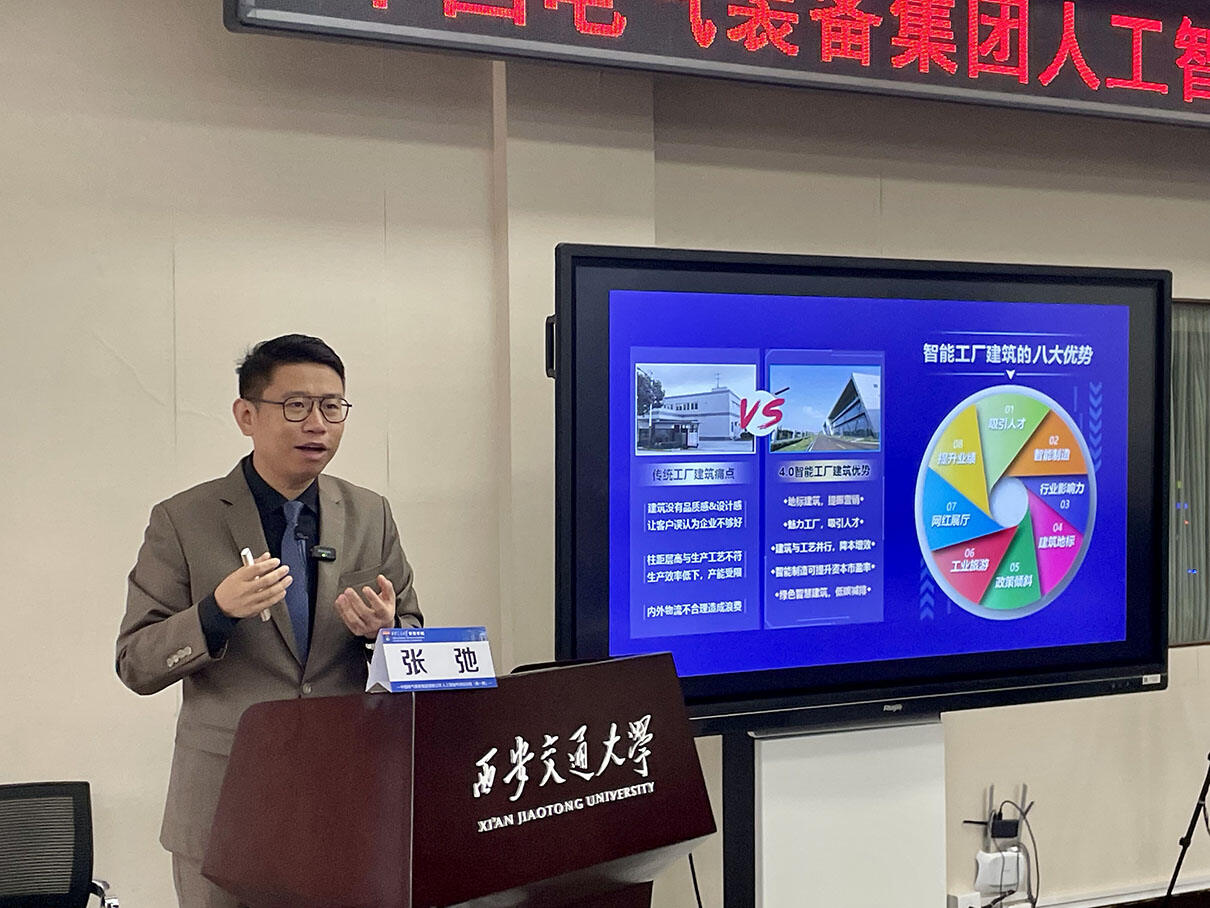
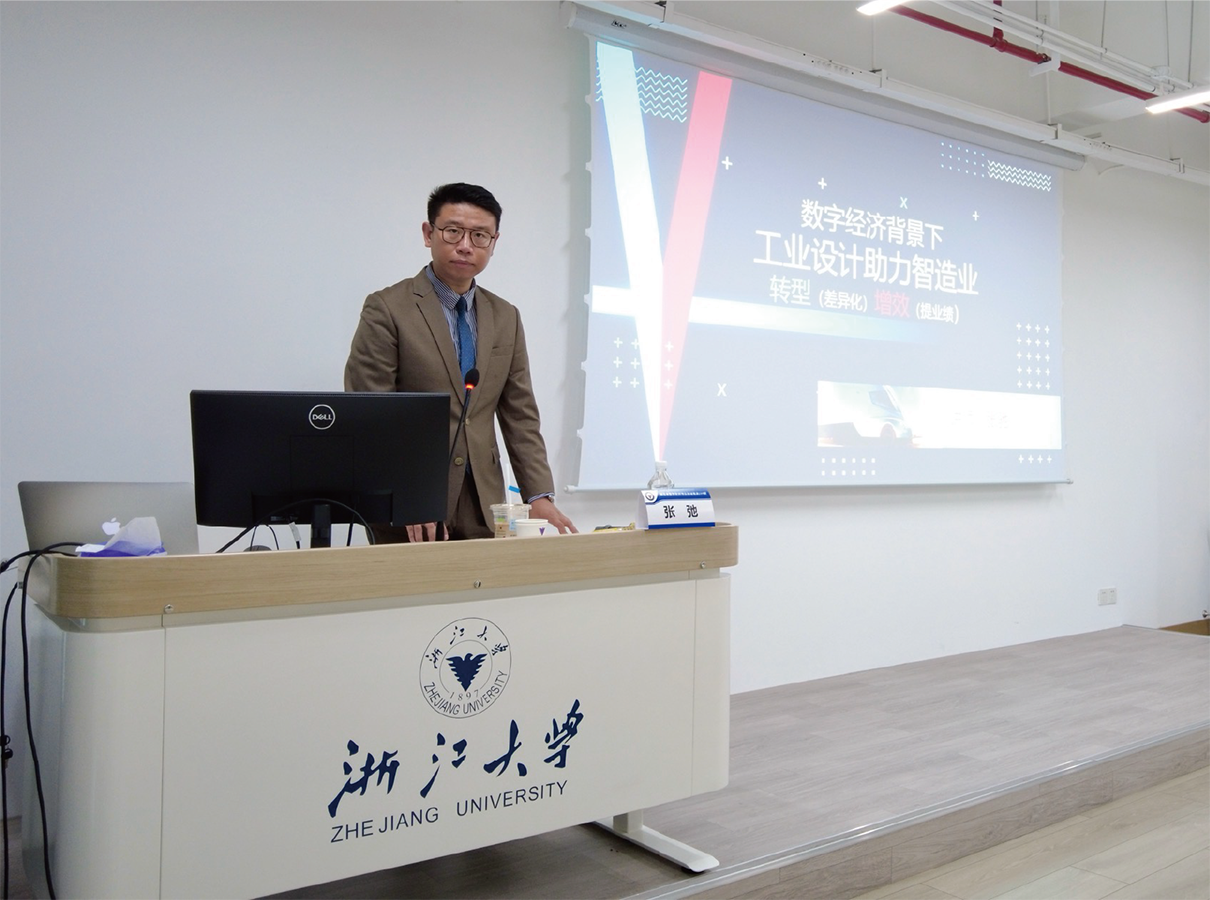
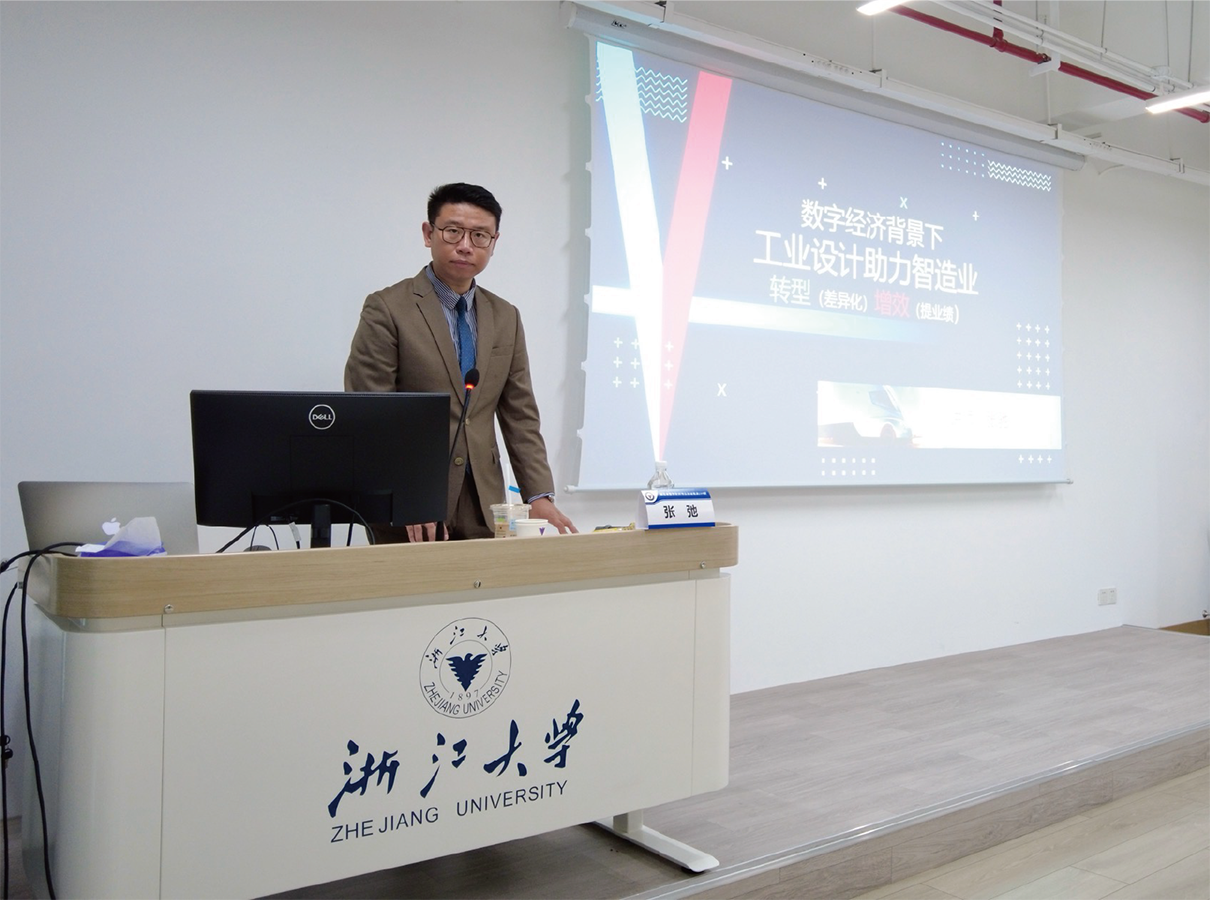
大驰创新创始人张驰在交大和浙大的课堂上反复讲一个判断:"灯塔工厂不是评出来的,是设计出来的。" 这句话不是修辞,是十二年行业经验的浓缩——他游历过全球100多座标杆工厂,从奔驰辛德芬根到费斯托的德国总部,从三一重工到蔚来,亲眼见过顶级工厂在空间层面如何做决策。
为什么空间设计决定工厂上限?
很多企业家把工厂设计理解为"画图纸"——找一家设计院,出施工图,盖楼,装设备,开工。这是工业时代的逻辑。
但智能时代,工厂的功能已经变了。它不再只是生产场所,而是品牌展厅、人才磁场、资本叙事、政府窗口的四合一载体。客户来审厂,第一眼看到什么?投资人来调研,从空间里读出什么?年轻人来面试,愿不愿意把未来五年交给这栋建筑?
这些问题的答案,在施工图阶段就已经写好了。
大驰创新把这套逻辑总结为"智能工厂建筑设计四部曲"——策划、工艺、规划、建筑。这个方法论入选了工信部工业文化促进中心《2020中国设计产业白皮书》标杆案例。顺序不能乱:先想清楚工厂要表达什么,再决定它长什么样。
96个项目验证过的方法论
从2023年的3个项目,到2024年19个(增长533%),到2025年49个(增长142%),再到2026年持续签约——大驰创新用96个项目验证了一件事:中国制造业正在经历一场从"有厂就行"到"厂即品牌"的觉醒。
这组数据背后有几个值得注意的信号:
长三角占比超过63%。 浙江27个、江苏19个、山东13个、安徽8个——制造业最密集的区域,恰恰是对工厂空间品质要求最迫切的区域。不是巧合,是产业逻辑:竞争越激烈,企业越需要每一寸空间都产生价值。
海外项目已有5个。 泰国3个、肯尼亚1个、越南1个。出海企业面临的第一道考题不是关税和物流,而是海外客户、政府、员工对中国工厂的第一印象。空间标准就是信任标准。
89.4%的标准化率。 大驰内部有一套11步项目管理流程——从前期资料、参考案例、CAD施工图、SU三维模型,到会议纪要、出图、文本、阶段成果、后期配合、D5渲染、室内设计——96个项目中绝大多数按这套结构推进。标准化不是创意的敌人,是让创意可以规模复制的底座。
一个正在发生的转变
过去,工厂设计是成本项——能省则省。现在,越来越多的企业家开始把工厂当作战略资产来经营。
这个转变有一个清晰的驱动力:审厂。 无论是海外大客户验厂、政府领导调研、投资机构考察,还是新员工入职参观——工厂都是第一现场。一个设计粗糙、动线混乱、没有品牌表达的工厂,会在每一次审厂中丢分;而一个空间叙事清晰、工艺展示有序、品牌触点精准的工厂,会在每一次审厂中加分。
加减之间,差距就是订单、融资和人才。
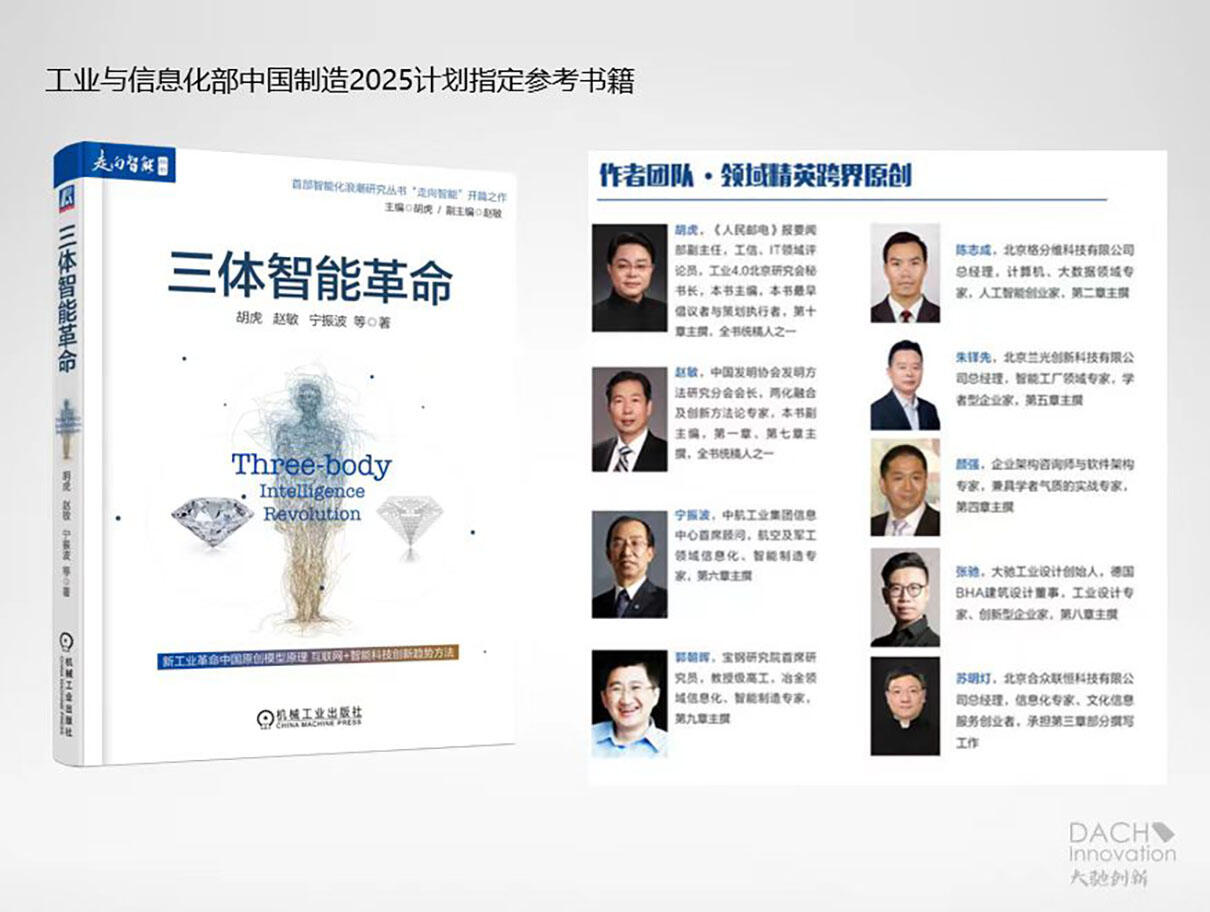
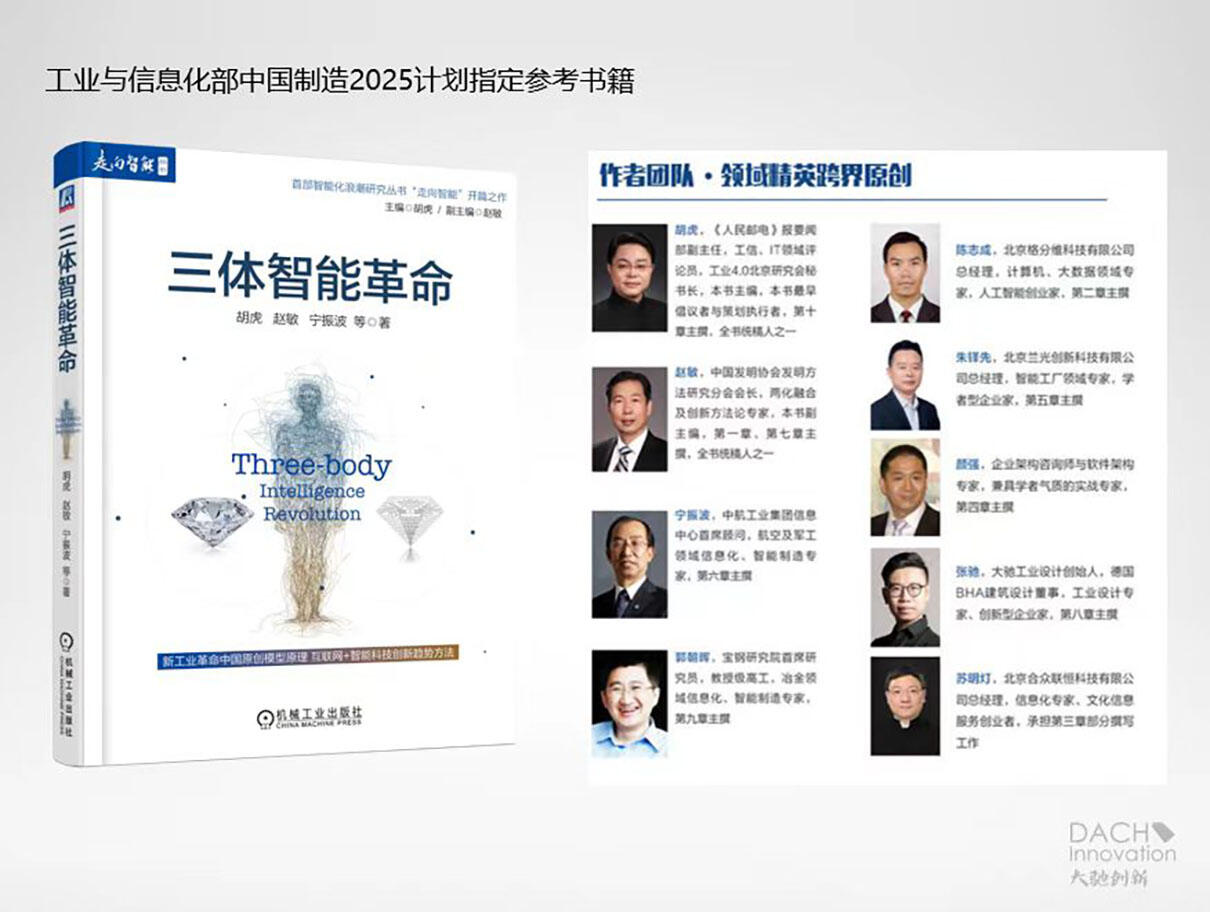
张驰在《三体智能革命》中参与构建的"三体智能模型",被纳入工信部电标院《CPS白皮书》核心理论体系。这套理论的一个核心判断是:物理实体、意识人体、信息虚体必须协同进化。翻译到工厂设计的语境里——建筑不是壳,是智能的载体。
写在最后
中国制造业正在从"规模红利"走向"品质红利"。产品要升级,品牌要升级,工厂空间也必须升级。这不是锦上添花,是竞争刚需。
大驰创新做的,就是把企业家的愿景翻译成空间语言——让每一座工厂都成为企业战略的物理宣言。
FAQ
Q:工厂设计和普通建筑设计有什么区别?
A:普通建筑设计解决"好看"和"合规",工厂设计还要解决"好用"——工艺动线、物流效率、审厂叙事、品牌触点、人才体验,是一个跨学科的系统性工程。
Q:什么样的企业需要标杆工厂设计?
A:三类企业最迫切:一是正在从代工转向自主品牌的企业,工厂是品牌最大的触点;二是准备出海或正在出海的企业,空间标准就是海外信任标准;三是正在申报灯塔工厂、绿色工厂、零碳园区的企业,空间设计是申报的基础。
Q:大驰创新的核心优势是什么?
A:跨学科团队(建筑+智能制造+工业设计+品牌)、89.4%的标准化交付体系、5个海外项目的实战经验,以及96个项目积累的行业认知。
Lighthouse Factories Aren't Awarded — They're Designed
The World Economic Forum announces its "Lighthouse Factory" list once a year, and those selected are regarded as the pinnacle of global smart manufacturing. But few people ask a critical question: What happens before these factories break ground?
The answer is often overlooked — what truly determines whether a factory becomes a benchmark isn't the equipment list or the IT system. It's the top-level design during the spatial planning phase. Once the building is topped out, process routes, logistics flows, visitor narratives, and brand touchpoints are all locked in. No matter how expensive the later renovation, it's just putting tiles on a flawed foundation.
DACH Innovation founder Zhang Chi repeatedly makes one point in his lectures at Shanghai Jiao Tong University and Zhejiang University: "Lighthouse factories aren't awarded — they're designed." This isn't rhetoric. It's the distillation of twelve years of industry experience. He has visited over 100 benchmark factories worldwide, from Mercedes-Benz Sindelfingen to Festo's German headquarters, from SANY Heavy Industry to NIO — witnessing firsthand how top-tier factories make decisions at the spatial level.
Why Spatial Design Determines a Factory's Ceiling
Many entrepreneurs understand factory design as "drawing blueprints" — find a design institute, produce construction drawings, build, install equipment, start production. That's Industrial Age logic.
But in the Smart Age, a factory's function has changed. It's no longer just a production site. It's a four-in-one carrier: brand showroom, talent magnet, capital narrative, and government showcase. When clients visit for factory audits, what's the first thing they see? When investors conduct due diligence, what do they read from the space? When young candidates come for interviews, are they willing to commit their next five years to this building?
The answers to these questions are already written at the construction drawing stage.
DACH Innovation has systematized this logic into the "Four-Step Methodology for Smart Factory Architectural Design" — Planning, Process, Layout, Architecture. This methodology was selected as a benchmark case in the Ministry of Industry and Information Technology's 2020 China Design Industry White Paper. The order cannot be reversed: First decide what the factory needs to express, then decide what it should look like.
A Methodology Validated by 96 Projects
From 3 projects in 2023, to 19 in 2024 (533% growth), to 49 in 2025 (142% growth), and continuing to sign new contracts in 2026 — DACH Innovation has validated one thing through 96 projects: Chinese manufacturing is undergoing an awakening from "any factory will do" to "the factory IS the brand."
Several noteworthy signals emerge from this data:
The Yangtze River Delta accounts for over 63%. Zhejiang (27 projects), Jiangsu (19), Shandong (13), Anhui (8) — the regions with the densest manufacturing activity are precisely where demand for factory spatial quality is most urgent. Not a coincidence, but industrial logic: the fiercer the competition, the more every square meter of space must generate value.
Five overseas projects already completed. Three in Thailand (Zhaolong Interconnect, Shidanpu, Woneng), one in Kenya (Crown HealthCare medical devices), one in Vietnam. For companies going global, the first challenge isn't tariffs or logistics — it's the first impression that overseas clients, governments, and employees form of the Chinese factory. Spatial standards are trust standards.
89.4% standardization rate. DACH Innovation operates an 11-step project management workflow — from preliminary data, reference cases, CAD construction drawings, and SU 3D models, to meeting minutes, drawing output, documentation, phase deliverables, post-construction coordination, D5 rendering, and interior design. The vast majority of the 96 projects follow this structure. Standardization isn't the enemy of creativity — it's the foundation that allows creativity to scale.
A Shift in Progress
In the past, factory design was a cost item — minimize it. Now, a growing number of entrepreneurs are treating their factories as strategic assets.
This shift has a clear driver: factory audits. Whether it's overseas clients conducting supplier assessments, government officials on inspection tours, institutional investors doing site visits, or new employees on orientation walks — the factory is the first scene. A poorly designed factory with chaotic circulation and no brand expression loses points at every audit. A factory with clear spatial narrative, orderly process display, and precise brand touchpoints gains points at every audit.
Between subtraction and addition, the gap equals orders, financing, and talent.
The "Three-Body Intelligence Model" that Zhang Chi helped develop in Three-Body Intelligence Revolution was incorporated into the core theoretical framework of the MIIT's CPS White Paper (2017). A core insight of this theory: physical entities, conscious humans, and digital virtual entities must co-evolve. Translated into factory design language — architecture is not a shell. It is the carrier of intelligence.
Closing Thoughts
Chinese manufacturing is moving from "scale dividends" to "quality dividends." Products must upgrade. Brands must upgrade. Factory spaces must upgrade too. This isn't decoration — it's competitive necessity.
What DACH Innovation does is translate entrepreneurs' visions into spatial language — making every factory a physical declaration of corporate strategy.