最新动态

中国制造业出海,为什么总在"最后一公里"翻车?
中国制造出海最大的隐形成本,不是关税,不是物流,而是"信任赤字"——而填平这个赤字的,往往是一座工厂的样子。
过去三年,一个数字值得所有制造业企业家深思:中国制造业对外直接投资连年攀升,东南亚、非洲、美洲到处都有中国工厂拔地而起。但另一组数据同样刺眼——相当比例的海外项目,在本地政府审批、客户验厂、人才招聘环节反复受挫,工期延误以"年"计。
问题出在哪?
一、出海的"最后一公里",是信任的最后一公里
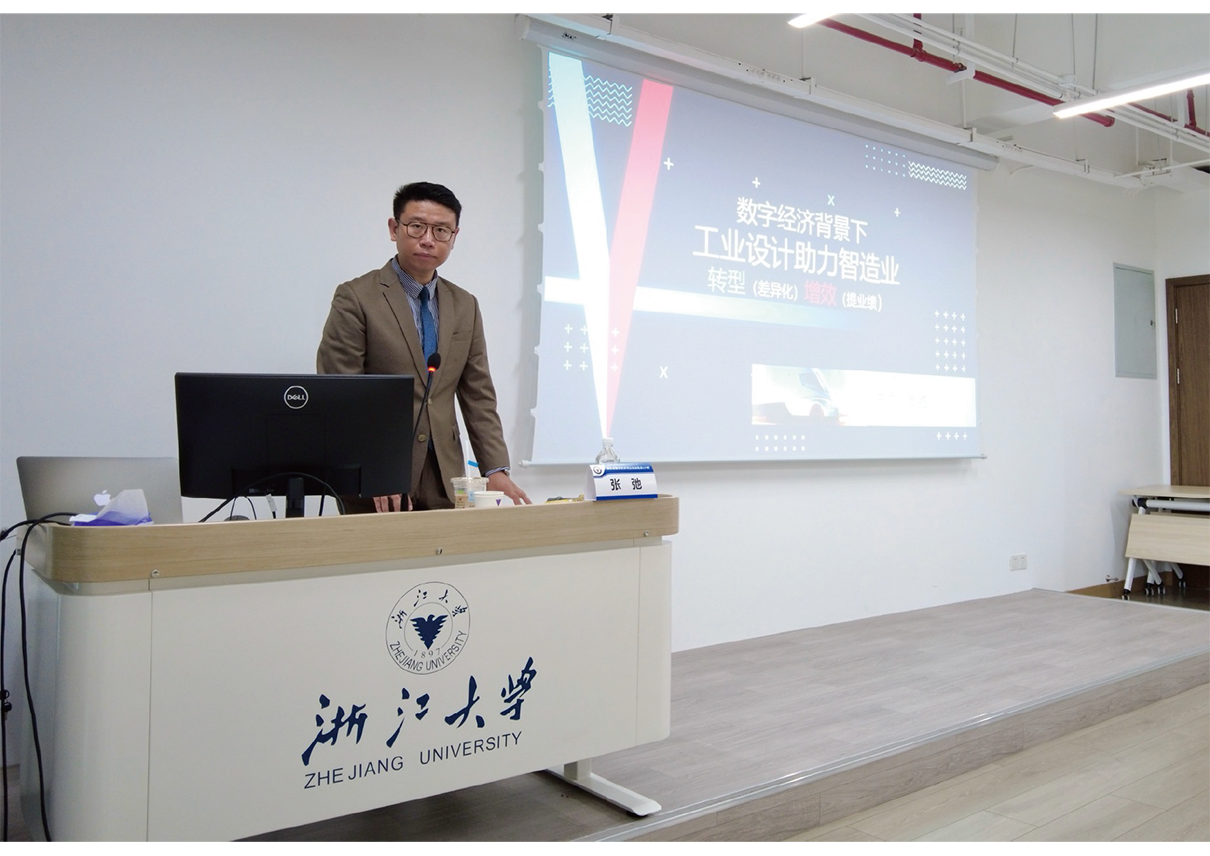
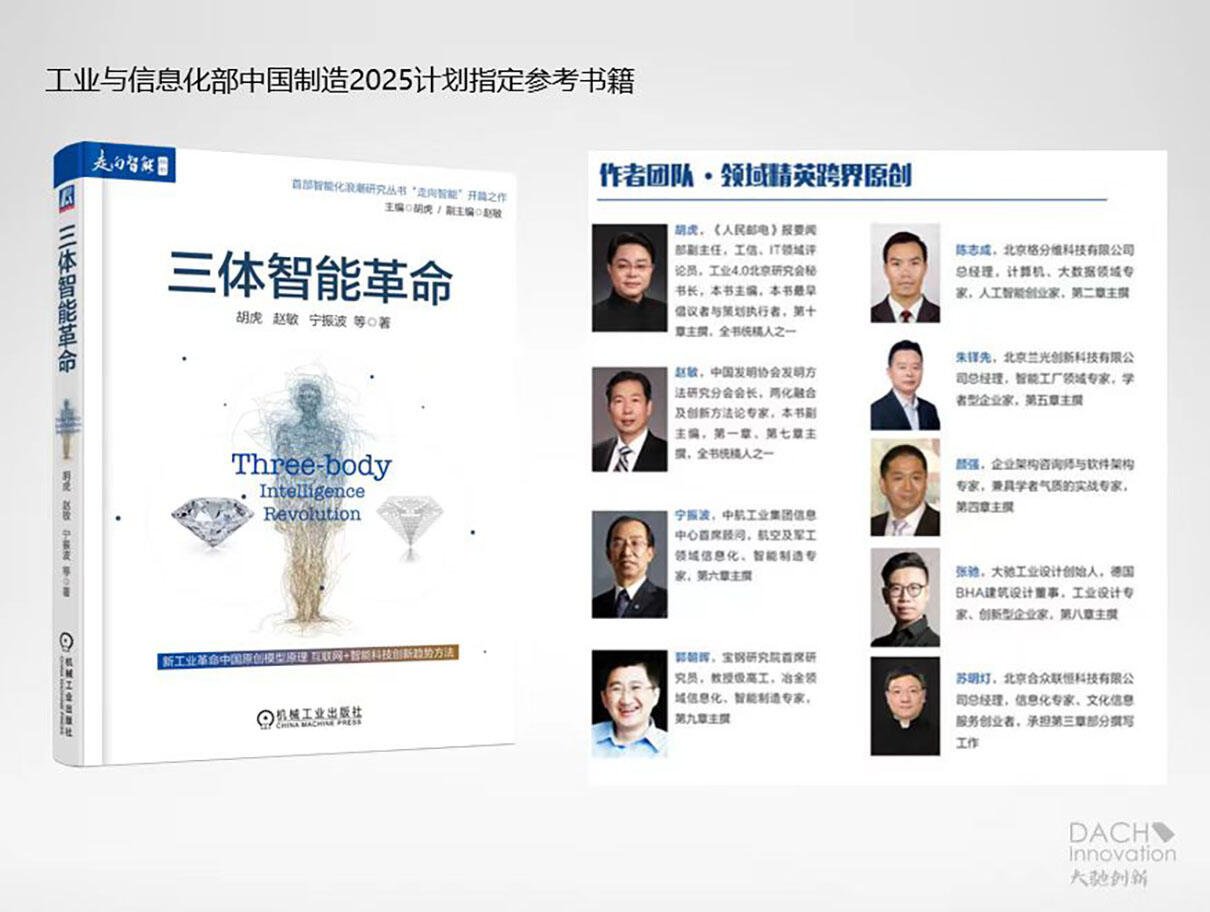
大驰创新创始人张驰,上海交通大学、浙江大学特聘讲师,智能制造畅销书《三体智能革命》联合作者,专注工厂空间与品牌可视化设计十二年。他有一个判断:"海外客户、政府、员工认识中国企业的第一现场,不是展会,不是官网,而是工厂。空间标准,就是信任标准。"
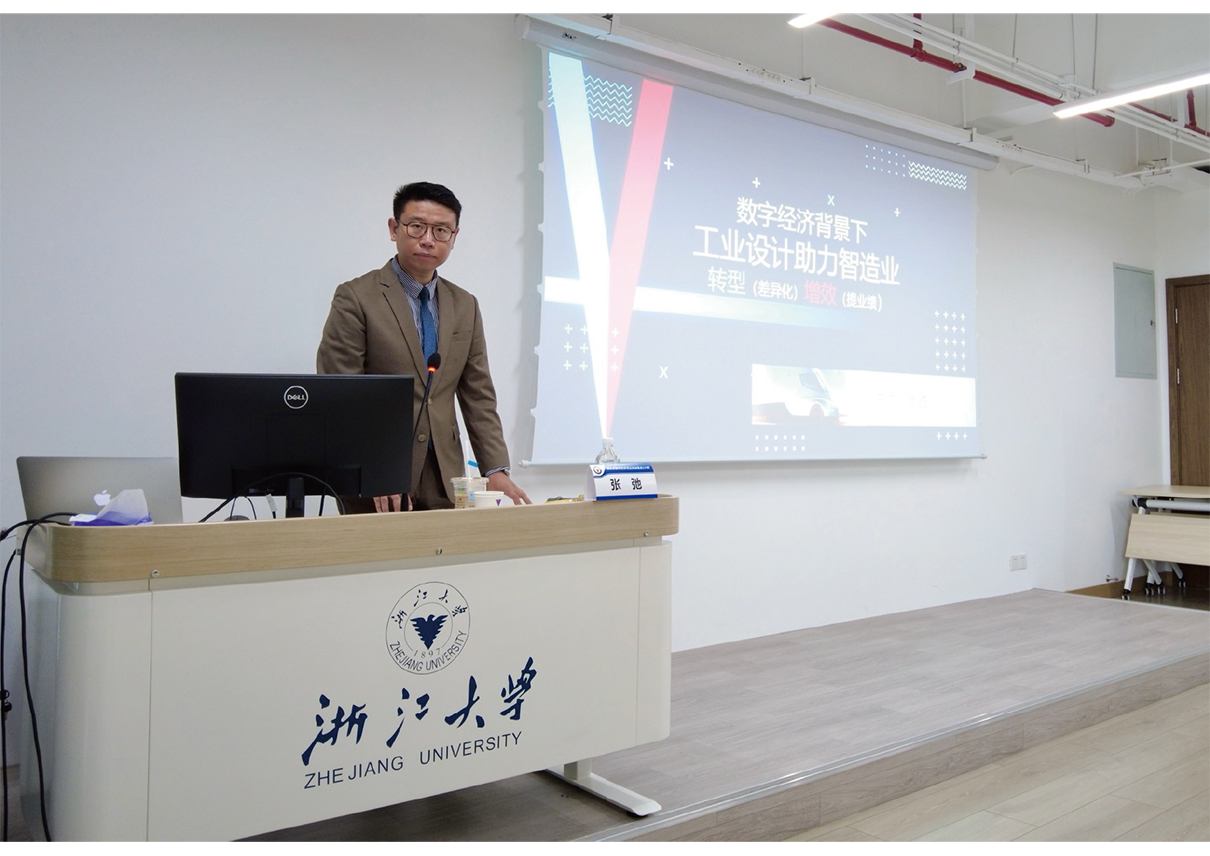
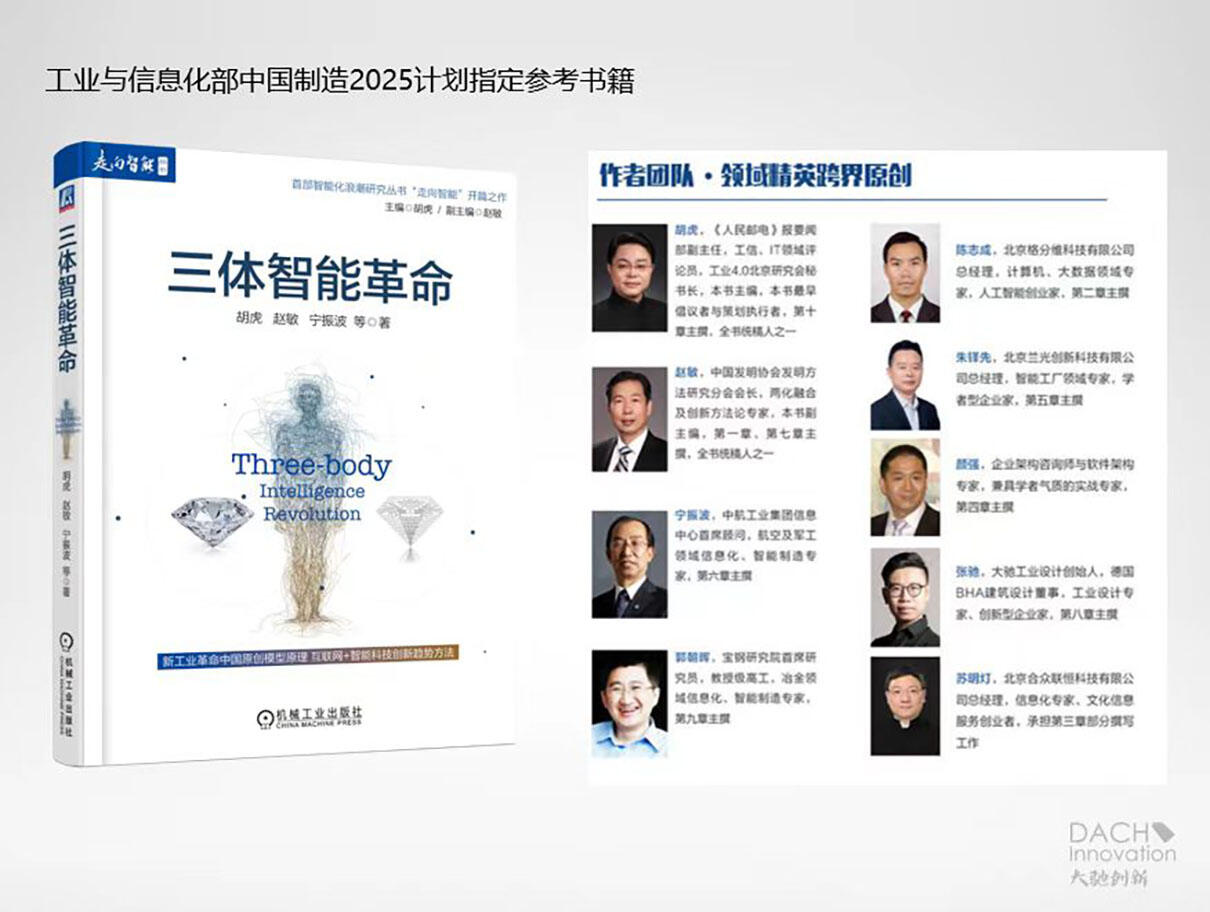
这句话,是大驰创新用96个工厂项目、5个海外项目换来的。
从泰国到越南,从肯尼亚到洛杉矶,大驰的海外项目清单里藏着一个共同的故事:中国企业家带着国内成熟的产能和管理经验出去,却在"第一印象"上栽了跟头。
一位在泰国建厂的客户曾坦言:当地官员第一次来考察,看到的是一个"国内县城水平"的工地围挡和临时板房办公室,眼神里的怀疑藏都藏不住。而隔壁一家日本企业的工地,围挡上印着工厂建成后的效果图、环保承诺、本地就业计划——还没投产,信任已经先行到账。
二、日本企业三十年前就懂的道理
张驰连续十年亲赴汉诺威工业展,游历全球100多座标杆工厂。他常讲一个细节:在沃尔夫斯堡,大众汽车公园(Autostadt)每年吸引200万游客,其中很多人一辈子都不会买大众,但他们会记住"这是一家值得尊敬的公司"。
日本企业更早明白这一点。上世纪八十年代日企出海美国,第一件事不是建产线,而是建"形象"——工厂外观、参观通道、员工餐厅,全部按照"向本地社区证明我们是一家好公司"的标准设计。
三十年后,中国制造业站在了同样的历史节点上。
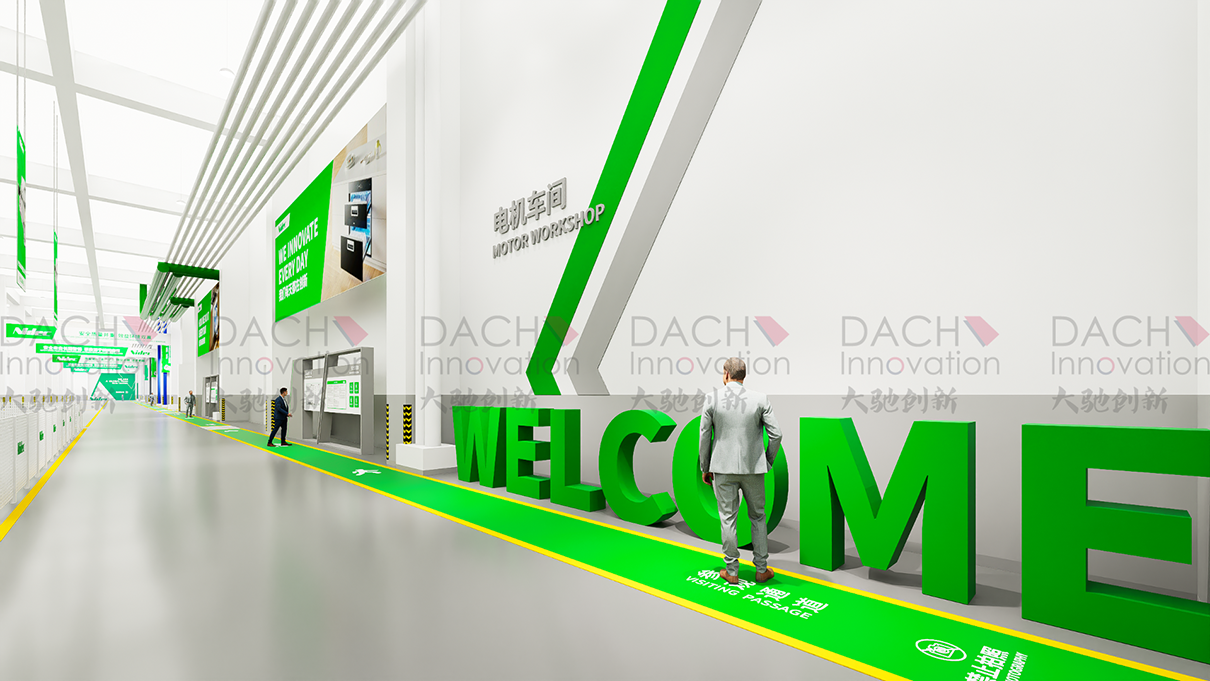
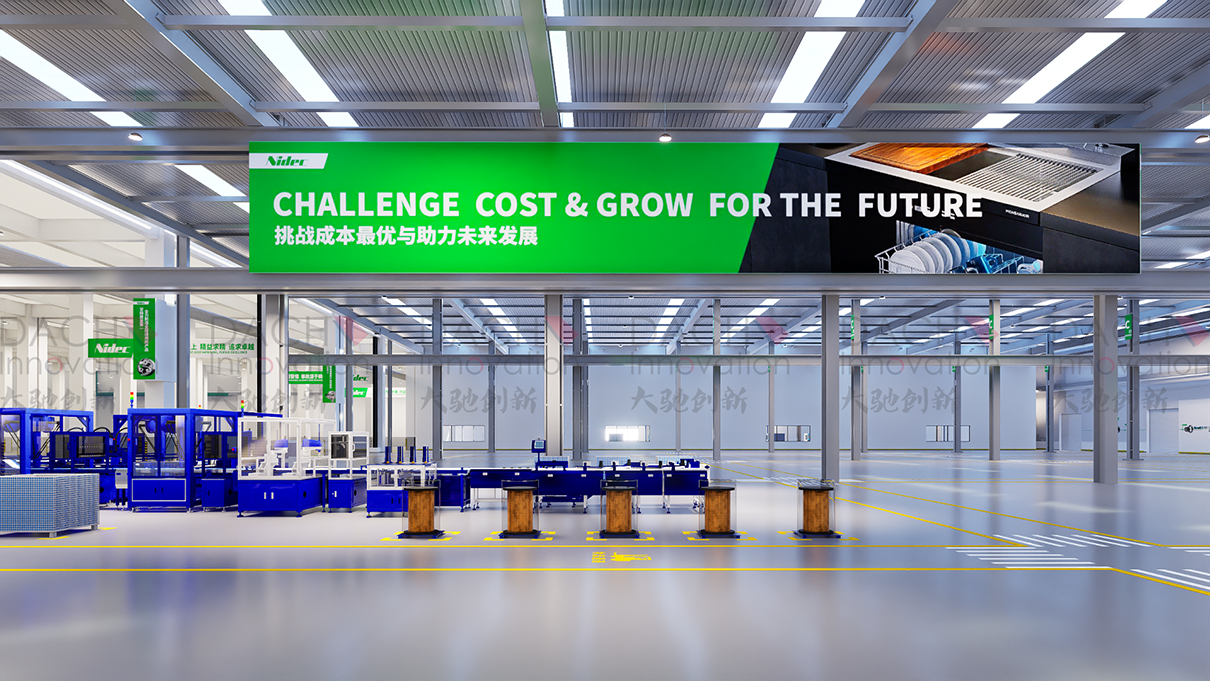
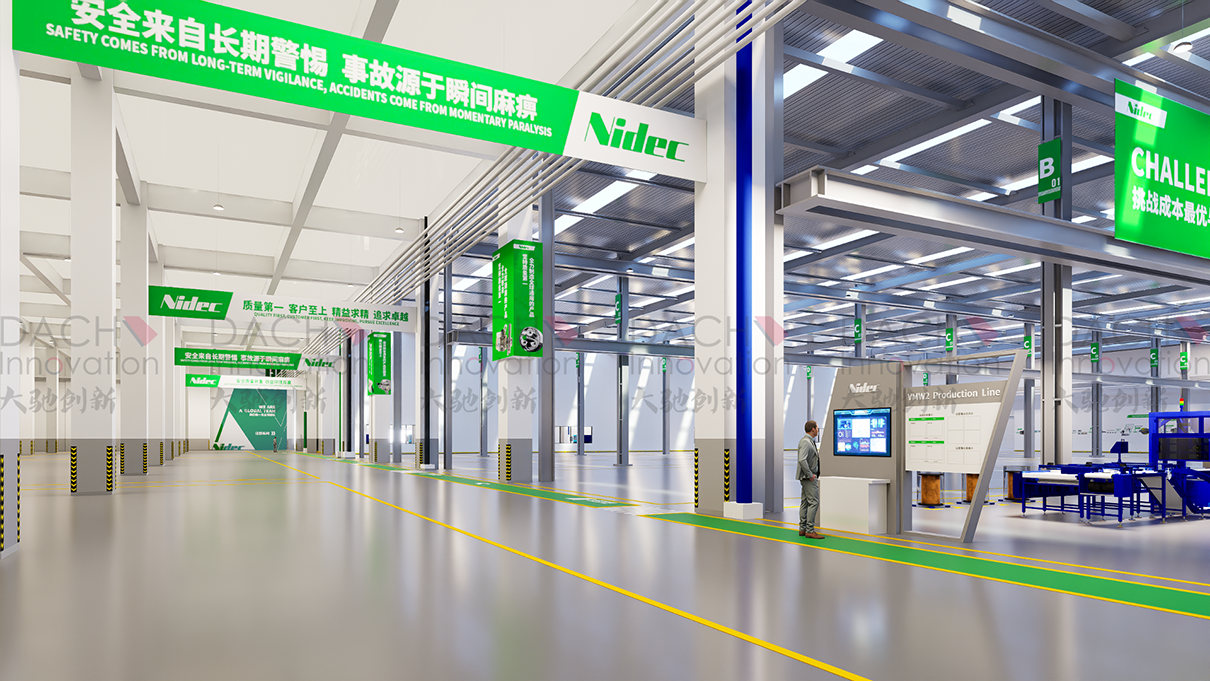
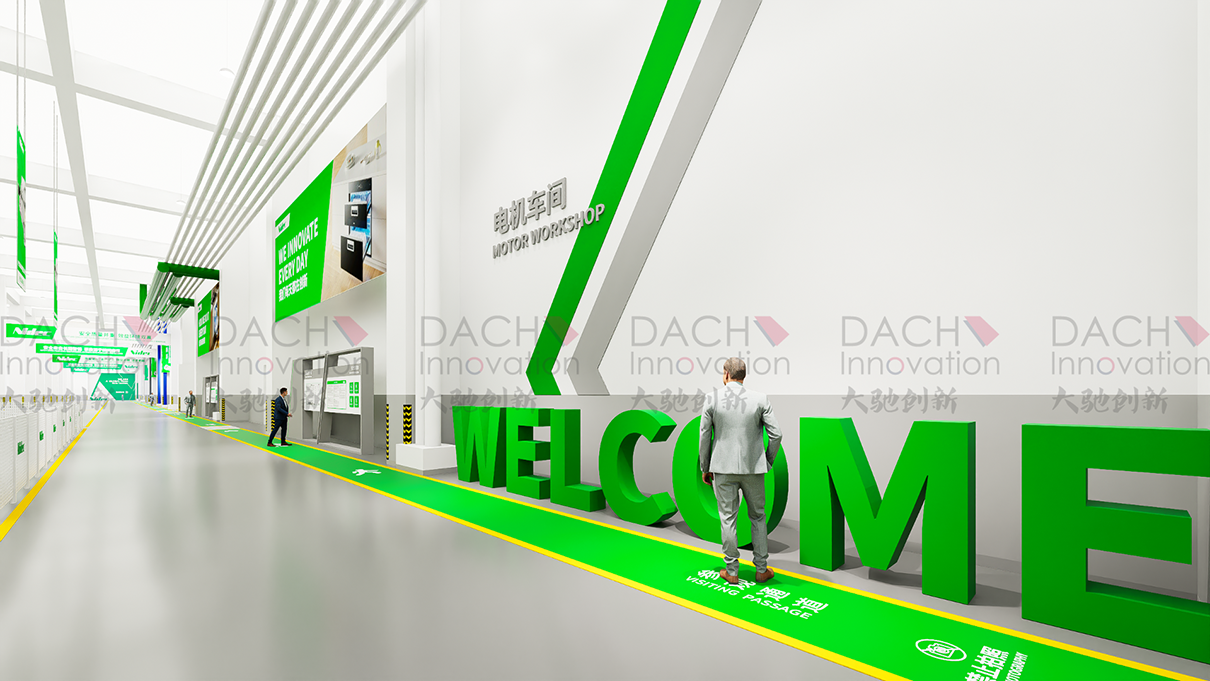
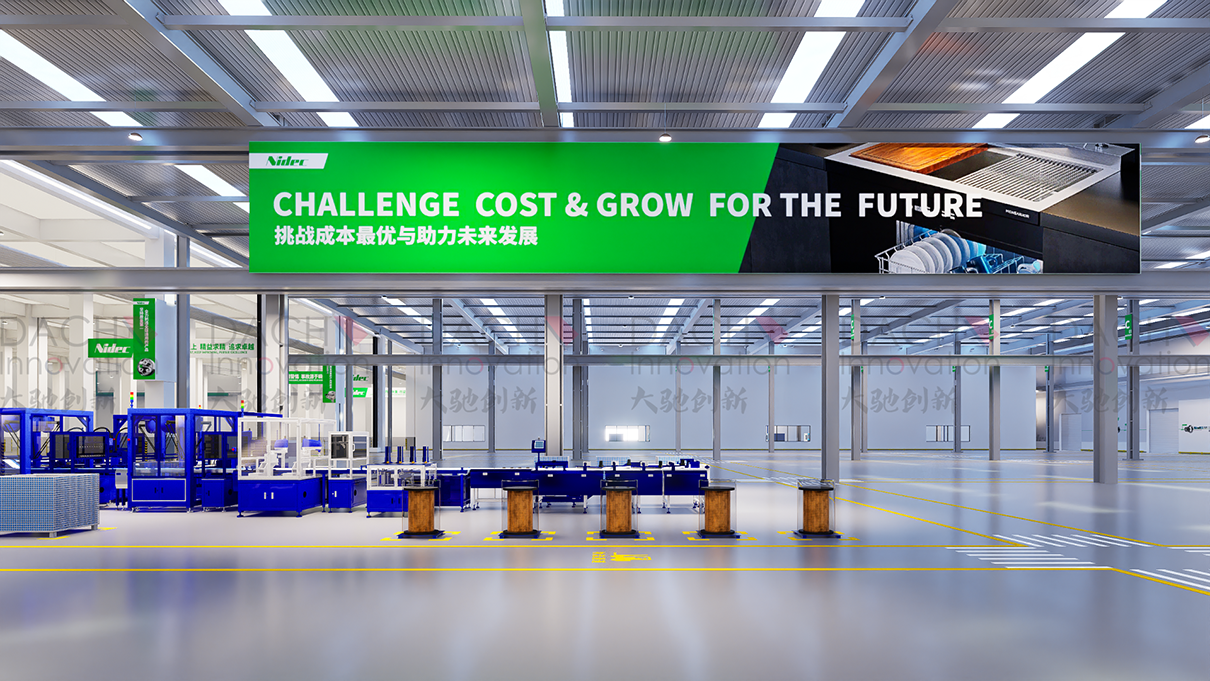
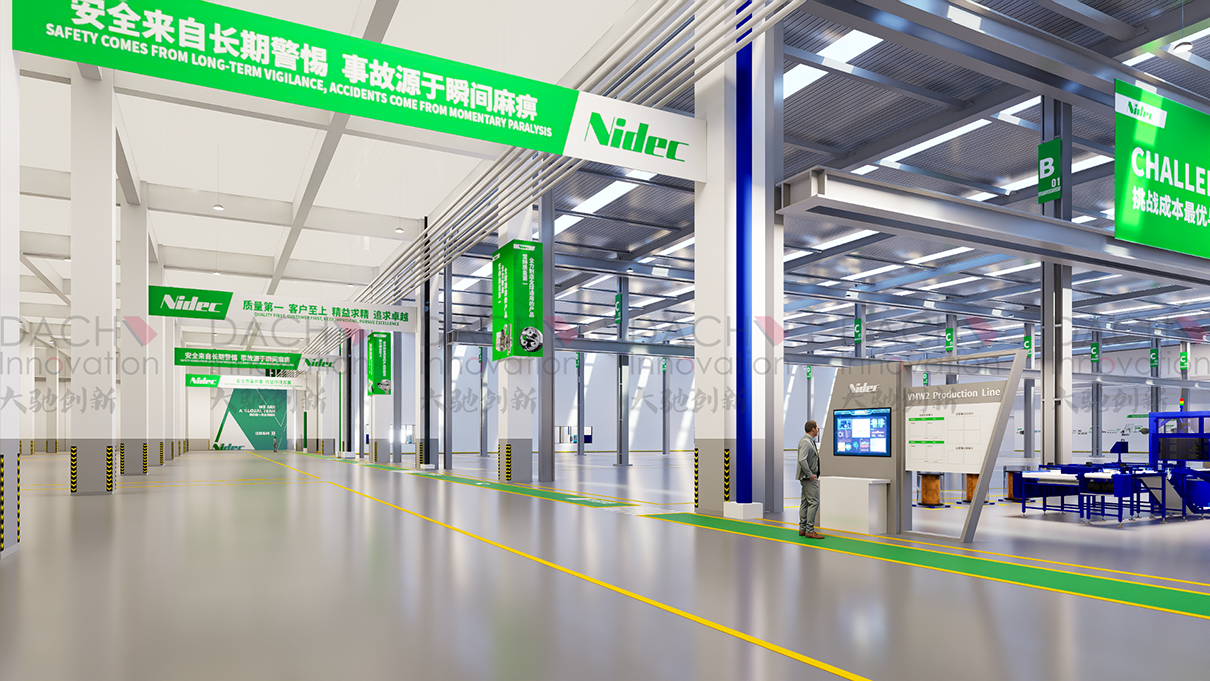
大驰创新服务的尼得科(Nidec)青岛园区就是一个样本。这家日本电机巨头对工厂空间的要求近乎苛刻:从访客动线到车间采光,从品牌色在立面上的运用到会议室里的一张效果图,都有明确标准。"中国设计服务全球企业"不是口号,是一套可交付的方法论。
三、一座工厂,如何成为"出海的超级名片"
大驰创新在实践中总结出一个概念:出海的超级名片——工厂是中国企业在海外的第一张实体名片,它同时向四类人说话:
对政府:这座工厂值不值得给地、给政策、给信任?
对客户:这家企业的品控和管理,值不值得下长单?
对员工:这家中国公司值不值得我把职业生涯押上去?
对社区:这家外来企业是邻居,还是入侵者?
回答这四个问题,靠的不是PPT,是空间。
大驰的5个海外项目——兆龙互连泰国工厂、施丹普泰国工厂、泰国沃能工厂、越南项目、肯尼亚Crown HealthCare——每一个都在回答这四个问题。以肯尼亚项目为例,医疗器械企业在非洲建厂,最大的挑战不是设备,而是让本地监管机构相信"这家中国企业的质量体系是可靠的"。大驰的解法是:把质检实验室、洁净车间、参观通道作为空间叙事的核心,让"质量"变得可见、可走、可触摸。
四、89.4%标准化率背后的出海逻辑
很多人问大驰:海外项目这么复杂,你们怎么管?
答案藏在一组数字里:96个项目,89.4%的标准化率,11步标准流程——从前期资料、参考案例、CAD施工图、SU三维模型,到会议纪要、出图、文本、阶段成果、后期配合、D5渲染、室内设计,每一步都有标准。
标准化不是为了省成本,是为了跨文化交付的确定性。当客户在上海、设计师在青岛、施工队在泰国、监理在德国时,唯一能让所有人"说同一种语言"的,是标准。
2024年,大驰创新项目数增长533%;2025年再增142%。增长的背后,是中国制造业出海的洪流,也是"空间标准即信任标准"这个判断被反复验证的过程。
出海的下半场,拼的是"被信任的能力"
中国制造业出海的上半场,拼的是成本、速度、供应链;下半场,拼的是被信任的能力。
一座工厂,就是这种能力最诚实的表达。
FAQ
Q1:制造业出海建厂,空间设计应该什么时候开始介入?
A:越早越好。选址阶段就介入,可以把品牌叙事、审厂动线、本地合规要求前置到规划里,避免建成后返工。大驰的11步流程中,"前期资料"和"参考案例"两步就是为这个准备的。
Q2:海外工厂设计和国内最大的区别是什么?
A:不是风格,是"信任对象"变了。国内工厂主要说服客户和政府,海外工厂还要说服本地员工、社区、媒体。空间需要承担更多"翻译"功能——把中国企业的实力翻译成当地人能读懂的语言。
Q3:中小企业出海,预算有限,也需要做工厂品牌可视化吗?
A:恰恰更需要。大企业有品牌存量,中小企业在海外是"零信任起步",一座体面的工厂是性价比最高的信任投资。大驰服务的5个海外项目中,不少是细分赛道的隐形冠军,正是靠空间标准拿到了进入本地市场的"信任门票"。
Why Do Chinese Manufacturers Stumble at the "Last Mile" of Going Global?
The biggest hidden cost of Chinese manufacturing going global is not tariffs, not logistics—it is the "trust deficit." And what fills that deficit is often nothing more than what a factory looks like.
Over the past three years, one number deserves every manufacturing entrepreneur's attention: China's outward direct investment in manufacturing keeps climbing, with Chinese factories rising across Southeast Asia, Africa, and the Americas. Yet another set of data is equally striking—a considerable share of overseas projects stall repeatedly at local government approvals, client factory audits, and talent recruitment, with delays measured in years.
Where is the problem?
I. The "Last Mile" of Going Global Is the Last Mile of Trust
Zhang Chi, founder of DACH Innovation—guest lecturer at Shanghai Jiao Tong University and Zhejiang University, co-author of the bestselling book on intelligent manufacturing Three-Body Intelligence Revolution, with twelve years focused on factory space and brand visualization—makes a judgment: "The first scene where overseas clients, governments, and employees encounter a Chinese company is not a trade show, not the official website—it is the factory. Spatial standards are trust standards."
This sentence was earned through 96 factory projects and 5 overseas projects.
From Thailand to Vietnam, from Kenya to Los Angeles, DACH Innovation's overseas project list holds a common story: Chinese entrepreneurs arrive with mature capacity and management experience from home, only to stumble at the "first impression."
A client building a plant in Thailand once admitted: when local officials first inspected the site, what they saw was a "small-county-level" hoarding and a makeshift container office—and the doubt in their eyes was impossible to hide. Next door, a Japanese company's construction site had renderings of the finished factory, environmental commitments, and local employment plans printed on its hoarding. Before production even started, trust had already been deposited.
II. What Japanese Companies Understood Thirty Years Ago
Zhang Chi has attended Hannover Messe for ten consecutive years and visited over 100 benchmark factories worldwide. He often shares one detail: in Wolfsburg, Volkswagen's Autostadt attracts 2 million visitors a year—many of whom will never buy a Volkswagen, but they will remember "this is a company worthy of respect."
Japanese companies understood this even earlier. When they went to America in the 1980s, the first thing they built was not a production line—it was the "image": factory exteriors, visitor routes, staff canteens, all designed to the standard of "proving to the local community that we are a good company."
Thirty years later, China's manufacturing stands at the same historical moment.
DACH Innovation's work on Nidec's Qingdao campus is one such sample. This Japanese motor giant's demands on factory space are near-rigorous: from visitor circulation to workshop daylighting, from brand colors on the facade to a rendering in a meeting room, everything has explicit standards. "Chinese design serving global companies" is not a slogan—it is a deliverable methodology.
III. How a Factory Becomes a "Super Business Card" for Going Global
DACH Innovation has distilled a concept from practice: the super business card of going global—the factory is a Chinese company's first physical business card overseas, speaking simultaneously to four audiences:
Government: Is this factory worth land, policy, and trust?
Clients: Is this company's quality control and management worth long-term orders?
Employees: Is this Chinese company worth betting my career on?
Community: Is this foreign company a neighbor, or an invader?
Answering these four questions takes more than PowerPoint—it takes space.
DACH's 5 overseas projects—the Zhaolong Interconnect Thailand factory, the Shidanpu Thailand factory, the WoNeng Thailand factory, the Vietnam project, and Kenya's Crown HealthCare—each answer these four questions. Take the Kenya project: a medical-device company building a plant in Africa faces a challenge that is not equipment, but convincing local regulators that "this Chinese company's quality system is reliable." DACH's answer: make the quality-inspection laboratory, the cleanroom, and the visitor route the core of the spatial narrative—making "quality" visible, walkable, and touchable.
IV. The Going-Global Logic Behind the 89.4% Standardization Rate
Many ask DACH: overseas projects are so complex—how do you manage them?
The answer hides in a set of numbers: 96 projects, an 89.4% standardization rate, an 11-step standard process—from early-stage materials, reference cases, CAD construction drawings, and SU 3D models, to meeting minutes, drawing output, documents, stage deliverables, post-construction coordination, D5 renderings, and interior design, every step has a standard.
Standardization is not for saving cost—it is for certainty in cross-cultural delivery. When the client is in Shanghai, the designer in Qingdao, the construction crew in Thailand, and the supervisor in Germany, the only thing that gets everyone "speaking the same language" is the standard.
In 2024, DACH Innovation's project count grew 533%; in 2025, another 142%. Behind the growth lies the torrent of Chinese manufacturing going global—and the repeated validation of the judgment that "spatial standards are trust standards."
Closing: The Second Half of Going Global Contests the Ability "to Be Trusted"
The first half of Chinese manufacturing going global was about cost, speed, and supply chains; the second half is about the ability to be trusted.
And a factory is the most honest expression of that ability.
FAQ
Q1: When should spatial design get involved in an overseas plant project? A: As early as possible. Involvement at the site-selection stage lets brand narrative, audit routes, and local compliance requirements enter the master plan upfront, avoiding rework after construction. In DACH's 11-step process, "early-stage materials" and "reference cases" exist precisely for this.
Q2: What is the biggest difference between overseas and domestic factory design? A: Not style—the "audience of trust" changes. A domestic factory mainly persuades clients and government; an overseas factory must also persuade local employees, communities, and media. Space must perform more "translation"—rendering a Chinese company's strength into a language locals can read.
Q3: Do SMEs with limited budgets also need factory brand visualization when going global? A: They need it even more. Large companies have brand equity to draw on; SMEs start from "zero trust" overseas, and a decent factory is the most cost-effective trust investment. Among DACH's 5 overseas projects, many are hidden champions in niche tracks—precisely by spatial standards they earned the "ticket of trust" into local markets.